

Performance cap snagging resistance describes how a fabric withstands yarn pulls caused by catching on an object. A snag may appear before a hole or a tear, so brand buyers should evaluate surface damage separately from abrasion, pilling and tear strength. Agree the method, specimen condition and appearance criteria before comparing materials.
This guide is for outdoor, golf and running product teams selecting exposed woven or knitted panels. It provides a way to connect fabric screening with finished-cap inspection and repeat orders.

Identify the surface most likely to catch
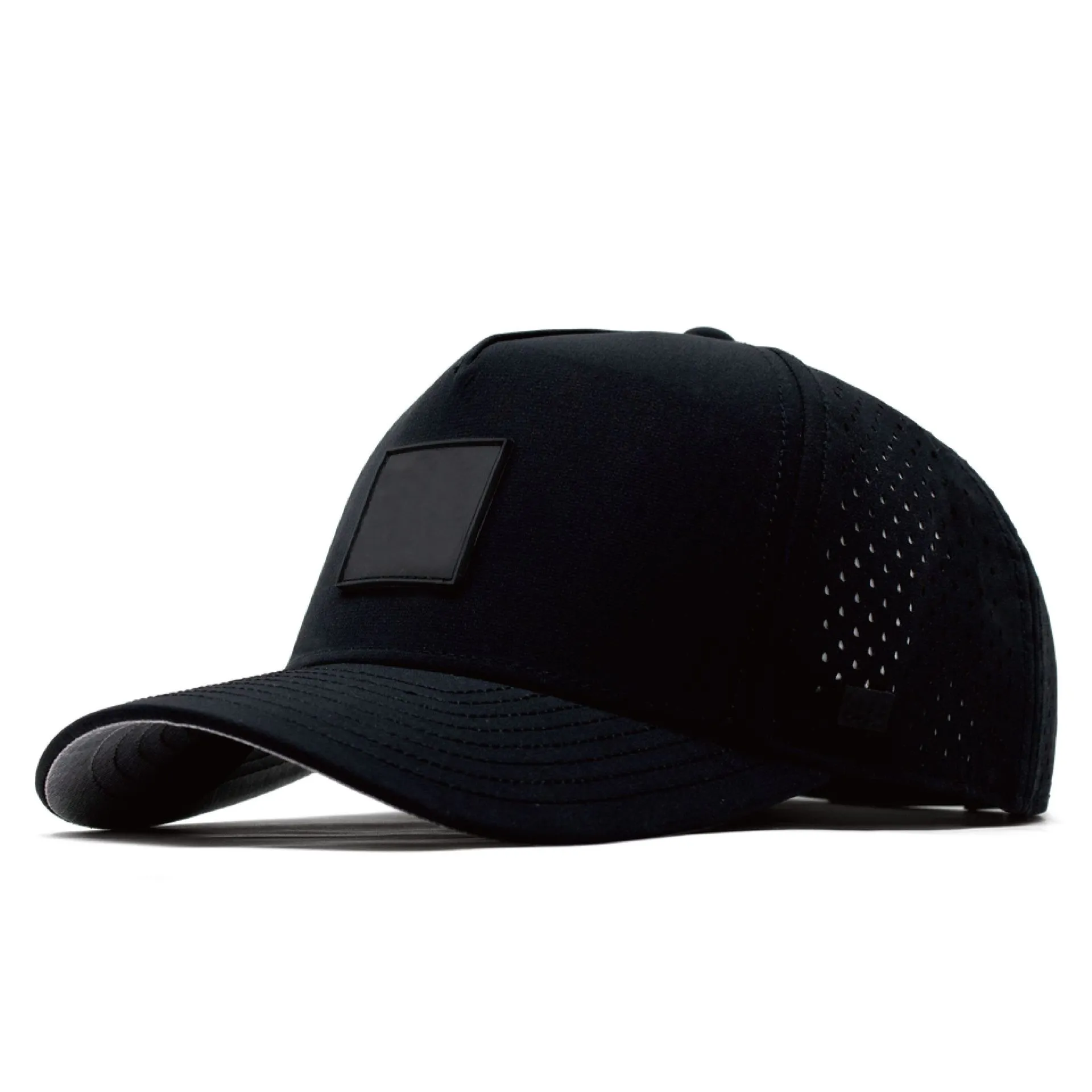
Review the face of the candidate fabric under consistent light. Note visible floats, loops, texture and raised decoration. Consider contact with hook-and-loop fasteners, bag hardware, branches and other surfaces relevant to the intended use.
Inspect the whole assembly. A small exposed hook area at the closure can catch the crown during packing or handling. A rough patch edge can rub an adjacent panel. Some damage originates from a neighboring component rather than the wearer's activity.
| Location | Potential contact | Development check |
|---|---|---|
| Crown surface | External rough or pointed objects | Appropriate fabric snag screening |
| Closure area | Exposed hooks or hardware edges | Assembly and handling review |
| Patch perimeter | Raised or unfinished edge | Edge finish and adjacent-panel contact |
| Nested caps | One cap's trim against another | Pack-out and unpacking trial |
Choose a suitable laboratory method
ISO 25086-1 (2026 edition) specifies a Mace method for snagging resistance of knitted and woven fabrics. Ask the laboratory whether that method is suitable for the construction you are submitting. The method name belongs on the report together with the edition and any agreed deviations.
Send the final fabric with the intended finish and identify its face and orientation. If care exposure is part of the requirement, identify the preconditioning and cleaning route. Results from different methods or exposure conditions should remain separate.
Do not replace this review with a tear-strength result. Tear testing addresses propagation of a tear, while snagging concerns caught yarns and surface disturbance. Use our separate cap tear strength guide where both risks matter.
Define the appearance you will accept
Agree reference images and the grading arrangement with the laboratory. Distinguish a protruding loop, yarn displacement, a broken filament and an open hole. A short written description such as no obvious damage leaves too much room for different interpretations.
Evaluate the intended brand presentation. A dark plain cap can reveal a pulled yarn differently from a textured or patterned cap. Record the viewing condition instead of changing the evaluation to favor the material that photographs best.
| Record field | What it should identify |
|---|---|
| Material identity | Supplier reference, color, lot and finish |
| Test identity | Method, edition, specimen preparation and exposure |
| Evaluation | Rating system, photographs and inspector or laboratory |
| Buyer decision | Approved use, rejected use or further trial required |

Screen the finished cap without overstating the result
Prepare an internal handling review for closure contact, nesting and normal unpacking. Describe the contact surfaces and sequence so another team can repeat it. Photograph the cap before and after the review.
An internal screen can expose an assembly problem that a flat fabric report misses. It remains an internal screen. Report it under its own protocol rather than labeling it as an ASTM result.
Examine laser perforation edges and seams separately. Pulled yarns near an opening can look similar to snag damage elsewhere, but the origin may be cutting or sewing. The corrective action should follow the cause rather than a single generic defect label.
Keep bulk material and packing under control
Compare received fabric with the approved reference before cutting. Review finish, texture and visible yarn structure. If a supplier proposes an alternative fabric, repeat the assessments relevant to snag risk instead of relying on the same composition label.
At final inspection, inspect areas that contact closures, tags and neighboring caps. Record defect locations and carton references. If damage clusters around one packing arrangement, changing the base fabric alone may leave the problem unresolved.
Our abrasion and pilling guide explains adjacent surface risks. Use it with the packaging guide and the performance cap collection when planning a complete material and handling review.
Questions about cap fabric snagging
Does a strong fabric always resist snagging?
No single strength result describes the surface's tendency to catch. Evaluate snagging separately and keep the method and appearance criteria with the material record.
Can a fabric finish change snag performance?
Compare the actual finished materials. A construction or finish change can alter the surface, so an older report may no longer describe the proposed fabric.
Should every cap color be evaluated?
Agree a risk-based coverage plan with the laboratory and buyer. Preserve color-specific appearance records where visual grading or finishing differs. Do not assume one result covers unreviewed constructions.
Can packing cause snag damage?
Closures and rough trim can contact adjacent caps. Review the cap in its actual nested and packed arrangement, then inspect after unpacking.
What information should accompany an inquiry?
Provide fabric or cap references, damage photographs, intended use and any existing test report. Include quantities, colors and the acceptance appearance you need.
Discuss your surface durability requirements
Send your brand website, cap style, quantities per style and color, artwork, target market, destination and delivery date through Contact Us or the inquiry form below. If snagging has affected an existing style, include the location and contact conditions so the next sample can address that risk.


 EN
 ES
 FR
 AR
 JA
 KO
 RU
 DE
 PT
 IT
 TR