

Have you ever wondered when and why people started wearing their hats backward? It’s one of those fashion choices that has stuck around for decades, but it didn’t start out as a trend.
Backward baseball caps were once practical gear for athletes, but today they’re everywhere—on the streets, in music videos, and even on red carpets.
What started as a functional look soon became a cultural symbol, influencing fashion and style across the world.

Origins of the Backward Cap in Sports
Baseball’s Practical Beginnings
The backward cap actually has a pretty humble origin—in the world of baseball. Back in the late 1800s, baseball players, especially catchers, began wearing their caps backward. This wasn’t because they were trying to look cool, but because they had a very practical reason for doing so.
Catchers needed to wear face masks to protect themselves from fast-pitched balls, and the traditional cap with the brim in front would often get in the way of their mask. So, they flipped their caps around to keep them from interfering with their gear.
Over time, other baseball players—especially in the early 20th century—also began wearing their caps backward for similar reasons. The look wasn’t about style, but functionality. It helped them keep sweat out of their eyes or manage long hair during the game.
But what started as a functional necessity in baseball soon began to spread to other sports, creating a trend that was both practical and cool.
Athletic Adoption
As sports evolved, the backward cap became a go-to for athletes across various fields. Basketball players in particular loved the backward cap for its practicality during intense gameplay. It kept their hair out of their face, and the brim didn’t get in the way during quick movements and jumps.
Soon, athletes from track and field to football started to adopt the backward cap. It became a common sight at sporting events and in practice.
The cap wasn’t just for baseball anymore—it was a part of the athletic wardrobe in many sports. Athletes were showing that the backward cap was not only practical but also gave them a unique, sporty look.
If you want to explore more about how the baseball cap became a fixture of fashion beyond baseball, see the detailed history at History of Baseball Caps – Fashion History Timeline.
The Emergence of Backward Caps in Popular Culture
The backward cap has become a fashion statement that’s synonymous with individuality and self-expression. But how did this trend, which started out as a practical necessity in sports, evolve into one of the most recognized fashion items today?

Let’s dive into the cultural forces that helped shape the backward cap as a symbol of rebellion, youth, and style.
The Role of Hip-Hop and Musicians
The 1990s marked a pivotal moment in the history of the backward cap. This era saw hip-hop emerge as a cultural powerhouse, and with it, the backward cap gained widespread attention.
Iconic figures like Eazy-E, Snoop Dogg, and Tupac were often seen sporting their hats backward. But it wasn’t just about fashion—it was about making a statement.
For these hip-hop legends, the backward cap symbolized rebellion, individualism, and a rejection of mainstream societal norms.
In an era of rapid cultural change, wearing a backward cap was a simple yet powerful way to break from tradition and embrace freedom of expression. It quickly became a signature look for hip-hop artists, and by extension, their fans.
As these artists took to the stage and appeared in music videos, the backward cap went from a niche style to a widespread symbol of the youth counterculture. It was more than just an accessory—it was a lifestyle.
This cultural influence spread far beyond the music industry, as young people across the globe adopted the look, embracing its association with rebellion and non-conformity.
To learn more about LL Cool J’s influence on fashion, including his role in popularizing the backwards cap, check out LL Cool J’s Influence on Fashion.
Athletes as Trendsetters
While hip-hop played a crucial role, it wasn’t the only group to popularize the backward cap. Athletes also played a huge part in turning this style into a mainstream trend. One of the most influential figures in this transformation was Michael Jordan.
In the early 1990s, Jordan was frequently spotted wearing his Chicago Bulls cap backward during practices and off-court appearances. This wasn’t just a random choice—it was a conscious decision to embrace a style that was both functional and fashionable.
As a global sports icon, Jordan’s influence was immense. When fans saw him wearing his cap backward, it wasn’t just about practicality—it became a fashion statement.
Soon after, other athletes from basketball, football, and baseball followed suit, adopting the backward cap as a part of their personal style. This helped to elevate the backward cap from its athletic roots to a broader cultural fashion symbol.
Television & Youth Culture
Television shows in the 1990s also played a massive role in cementing the backward cap as a staple of youth culture. A perfect example is The Fresh Prince of Bel-Air, the hit show starring Will Smith.
His iconic look—featuring a backward cap paired with baggy jeans—became synonymous with the show’s carefree attitude and rebellious spirit.
In addition to TV shows, teen idols like Justin Bieber in the early 2010s continued the legacy, wearing the backward cap as part of their everyday style. These stars were often seen sporting the look, making it even more relatable for young audiences around the world.
As television and pop culture embraced the backward cap, it cemented itself as a youthful and casual fashion statement, one that could be worn in a variety of settings—from school to the streets to social media.
From Rebellion to Mainstream Fashion
The backward cap has had a long journey from its rebellious roots to becoming a mainstream fashion item.
What started as a symbol of freedom and non-conformity in sports and music has now evolved into a widely accepted part of global fashion.

Let’s explore how this transformation happened.
Youth Rebellion
In its early years, the backward cap was synonymous with rebellion. Young people wore it as a way to reject traditional norms—whether in sports, music, or fashion.
It was a way for teens to express individuality and a desire to stand out from the crowd. Whether on the streets or at a concert, wearing a cap backward was a way to say, “I’m not like everyone else.”
For hip-hop artists and athletes, the backward cap was more than just an accessory. It represented a lifestyle, a commitment to doing things differently.
This association with rebellion made the cap all the more appealing to youth culture, giving it an edge that other fashion items didn’t have at the time.
Fashion’s Embrace
By the late 1990s and early 2000s, the backward cap began shifting from a rebellious subculture to a mainstream fashion choice.
Celebrities, athletes, and even businesspeople embraced the trend, often sporting the backward cap in public appearances. It wasn’t just worn by teenagers anymore—it was adopted by people of all ages, crossing social and economic boundaries.
This widespread acceptance was partly due to the influence of celebrity culture. When stars like Kanye West, Pharrell Williams, and supermodels like Gigi Hadid started wearing their caps backward, the trend became more than just a symbol of rebellion.
It was now a stylish and effortless accessory that anyone could wear. The backward cap had officially entered the world of high fashion, and its cool, casual vibe made it a perfect fit for almost any wardrobe.
Celebrity Influence
The backward cap has continued to thrive because of its connection to celebrity culture. From the runways of Paris to the streets of New York, fashion influencers have consistently embraced the look.
Whether it’s Kanye West wearing his backwards cap with a designer outfit or Kim Kardashian pairing hers with a casual streetwear look, the backward cap remains a mainstay in the fashion world.
Celebrities, especially those in the world of pop culture, continue to sport the backward cap as a part of their signature style, reinforcing its status as a go-to accessory for the modern fashion-forward individual. From the red carpet to casual outings, the backward cap shows no signs of losing its charm.
Evolution of the Backward Cap in Modern Times
Current Popularity
The backward cap has undoubtedly stood the test of time. What started as a practical necessity in sports and a sign of rebellion in youth culture has now become a mainstream fashion statement.
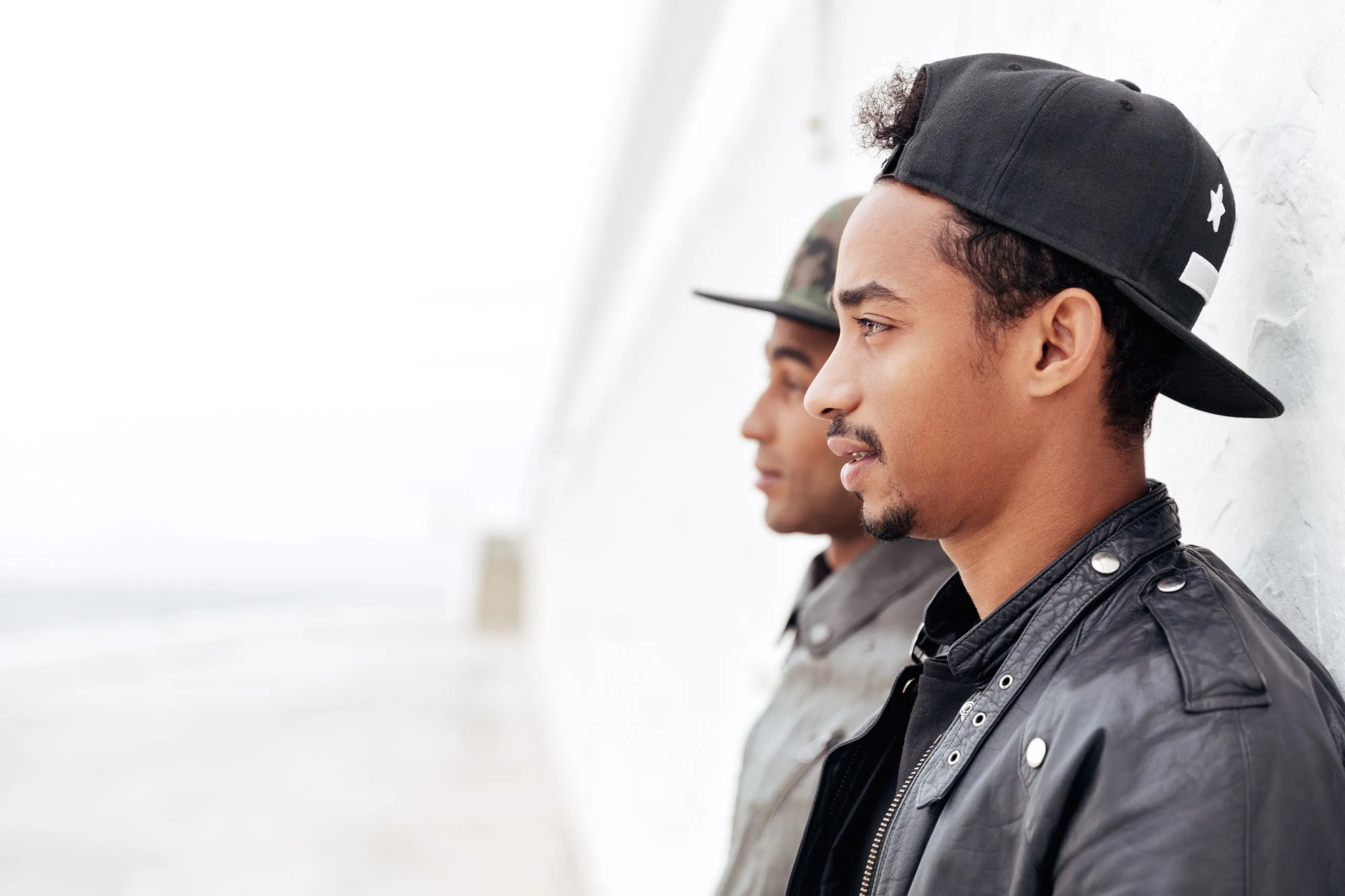
Today, the backward cap is everywhere: from the streets to high fashion runways, it’s a staple that transcends age, gender, and style. Streetwear icons and fashion-forward celebrities are often spotted pairing their backward caps with anything from casual tees to chic leather jackets.
It’s no longer just for athletes or hip-hop stars—it’s an essential part of many wardrobes.
What makes this trend especially fascinating is its ability to adapt. No longer confined to one demographic, the backward cap has been embraced by people of all genders and ages.
Whether it’s the classic snapback, a dad hat, or a baseball cap, these versatile accessories are being worn backward by anyone looking to add a bit of casual cool to their outfit. It’s effortless, stylish, and universally loved.
No Boundaries for Backward Caps
One of the coolest things about wearing a cap backward today is that there are no rules. Unlike in the past, when it was mostly athletes or rebellious teens leading the charge, the backward cap now caters to various styles.
It can be seen paired with streetwear as easily as with more high-end fashion. In fact, some of the best-dressed celebrities are regularly seen wearing their caps backward with everything from elegant suits to summer dresses.
What makes the backward cap so special is its versatility. It complements almost any outfit—whether you’re wearing casual loungewear, a statement jacket, or even a tailored suit.
The backward cap doesn’t try too hard; it just works. And it works for everyone. Unisex and timeless, it’s a piece that doesn’t belong to one specific group—it’s for everyone who wants to express their style in a laid-back way.
Global Trend
What started in the U.S., mostly in sports and music culture, has grown into a global trend.
Today, you can find people wearing their backward caps everywhere from Tokyo to London. In fact, the backward cap has become a symbol of casual style that crosses cultural boundaries. It’s not just a look—it’s a statement that transcends geography, culture, and language.
From bustling city streets to far-flung corners of the world, the backward cap has become synonymous with effortless style.
It’s a global fashion statement that speaks to the idea of comfort and individuality—values that are universally shared, no matter where you’re from.
What the Backward Cap Trend Means for Custom Hat Brands
The history of the backward cap shows how a simple functional choice can become a long-lasting fashion trend. For brands, sports teams, retailers, and event organizers, this is also a useful reminder: people are more likely to wear a cap when it connects with comfort, identity, and personal style.
If you are planning to create custom caps for your brand, the way people wear hats in real life should influence your design decisions. A good cap should not only look attractive from the front. It should also feel comfortable and look balanced when worn backward, tilted, or styled casually.
1. Design for Real Wearing Habits
Many customers wear caps in different ways depending on the occasion. Some wear them forward for sun protection, backward for a casual streetwear look, or slightly tilted for personal expression. When developing custom baseball caps, snapbacks, dad hats, or trucker caps, brands should consider how the crown shape, brim style, closure, and logo placement will look from multiple angles.
2. Choose the Right Cap Style for Your Audience
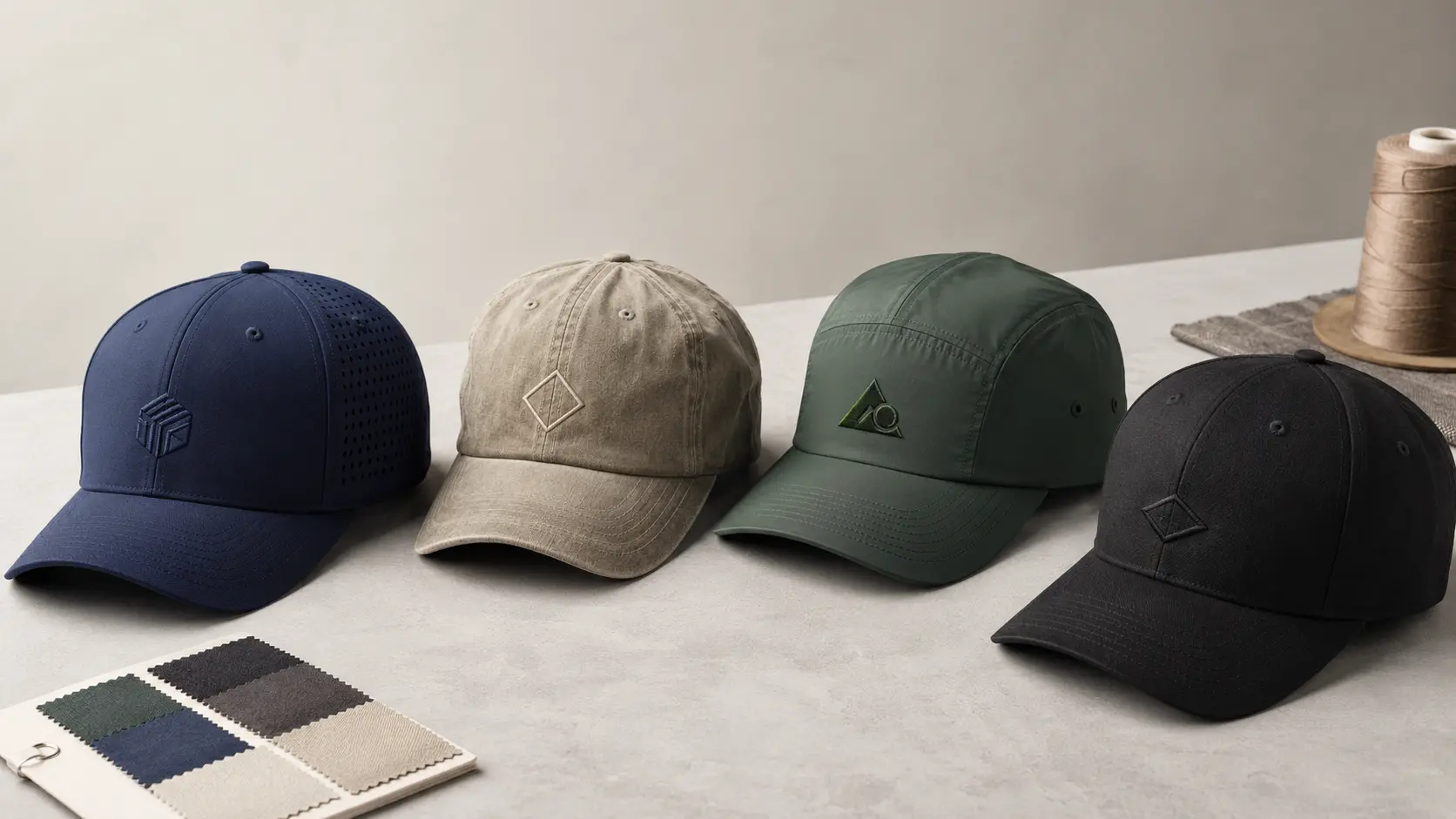
A structured snapback can work well for streetwear brands, youth collections, sports teams, and promotional campaigns. A relaxed dad hat may be better for lifestyle brands, cafés, clubs, schools, and casual merchandise. Trucker caps are suitable for outdoor events, workwear, and summer promotions, while performance caps are often used for sports and activewear projects.
3. Think Beyond the Front Logo
When a cap is worn backward, the back closure, side panels, and small label details become more visible. Brands can use embroidery, woven labels, side patches, back strap branding, contrast stitching, or custom closures to make the cap recognizable from more than one angle.
4. Match Materials with the Wearing Scenario
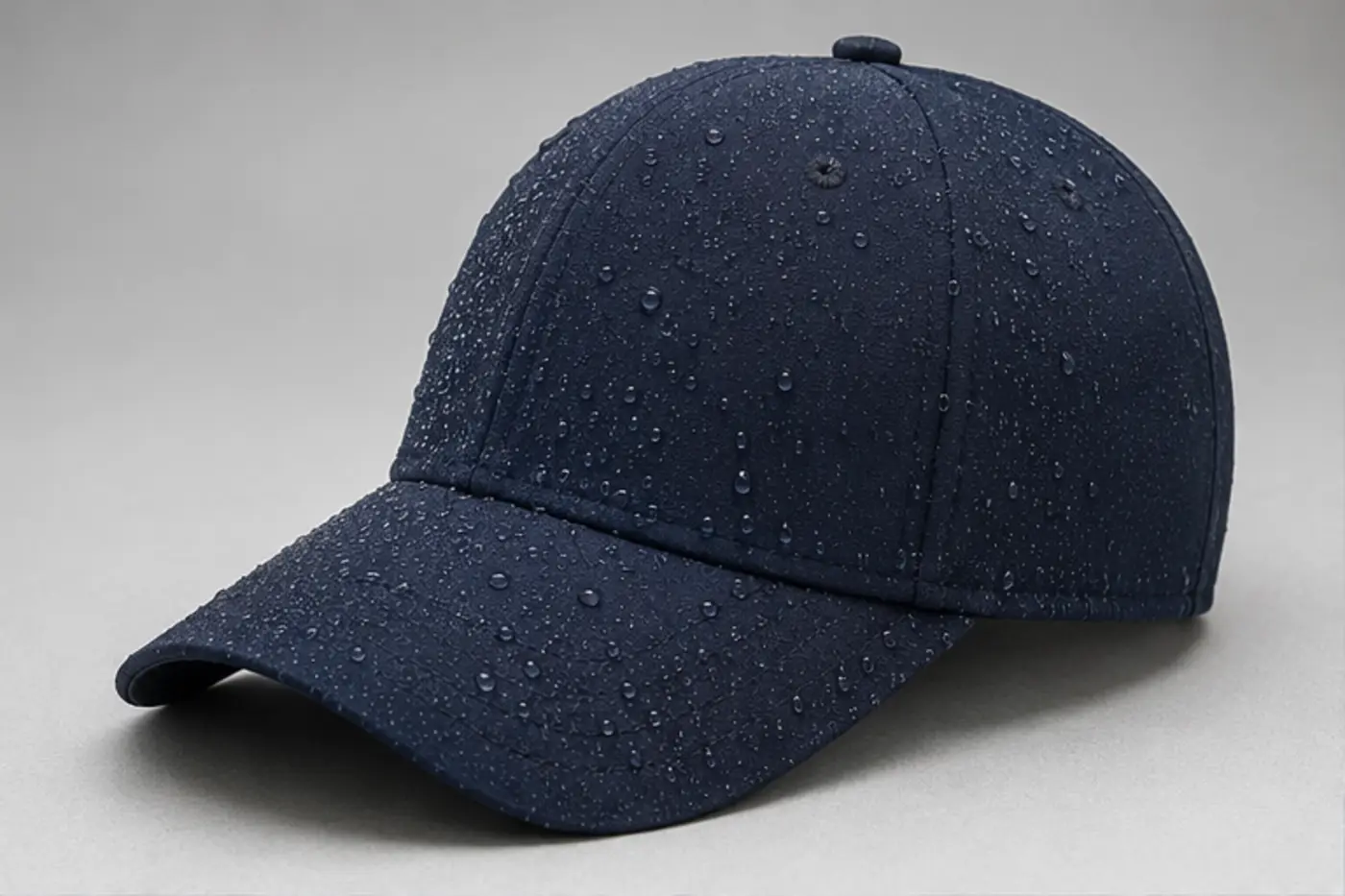
Cotton twill, polyester, mesh, nylon, canvas, corduroy, and recycled fabrics all create different looks and wearing experiences. For daily fashion caps, cotton or cotton-blend materials are comfortable and versatile. For outdoor, sports, or summer campaigns, breathable mesh or lightweight performance fabrics may be more suitable.
5. Turn a Fashion Trend into a Wearable Brand Product
The backward cap became popular because it was practical, expressive, and easy to wear. Custom hats for brands should follow the same idea. A cap that fits well, matches your audience, and reflects your brand identity is more likely to be worn repeatedly instead of being treated as a one-time giveaway.
At JoinTop, we help brands develop custom baseball caps, snapback hats, dad hats, trucker caps, performance caps, and other headwear products based on their design, material, logo, and order requirements.
Looking to create custom caps for your brand, team, event, or retail collection? Send us your design idea and order quantity to request a custom hat quote.
Cultural Significance & Future Outlook
Symbol of Individuality
Even as it moves deeper into mainstream fashion, the backward cap still carries a deep sense of individuality. For many, it represents freedom, non-conformity, and a refusal to follow the rules.
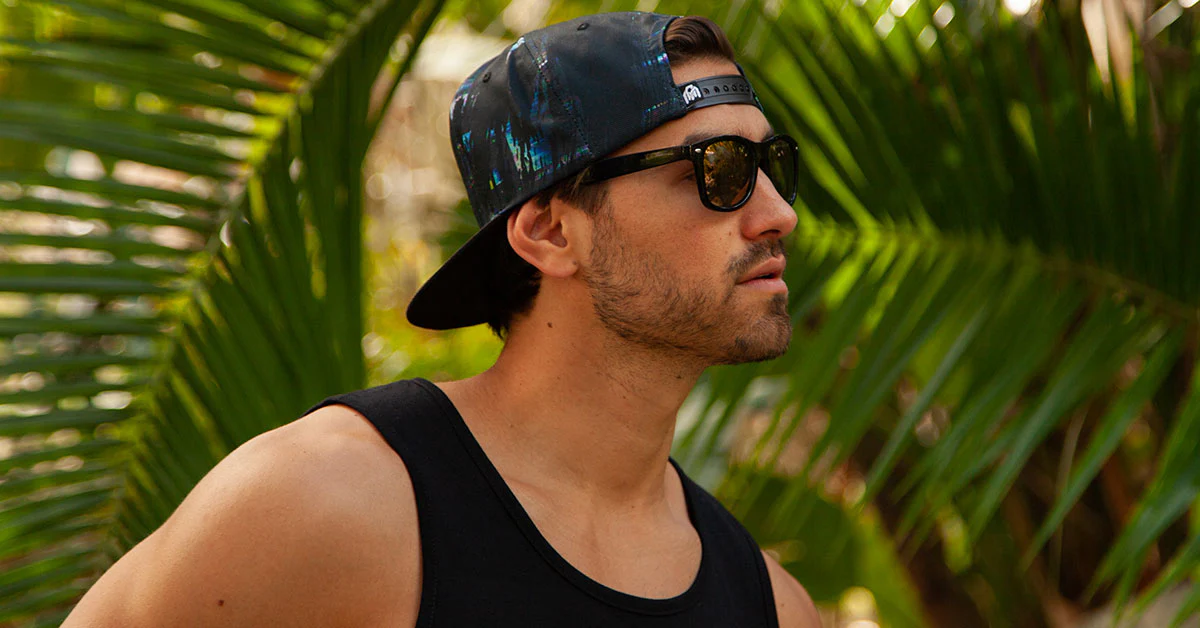
Whether it’s the rebellious youth culture of the ’90s or today’s trendsetters, wearing a cap backward continues to send the message that the wearer is doing things their way.
The backward cap has evolved from a symbol of rebellion to a symbol of personal style. It says, “I’m comfortable in my own skin,” whether you’re at a hip-hop concert, skateboarding, or just hanging out with friends. It’s a subtle yet powerful statement that encourages self-expression.
The Trend’s Endurance
What’s truly fascinating about the backward cap is its longevity. Some trends come and go, but this one has stuck around. So why does it continue to endure? It’s simple: the backward cap is adaptable.
Over the years, it has reinvented itself to fit the fashion cycles of every era, from the rebellious 1990s to the streetwear-heavy 2010s. Even as fashion shifts and evolves, the backward cap remains a staple because it’s so timeless.
Beyond fashion, the cultural significance of the backward cap resonates with people across generations. It stands as a reminder of the freedom and individuality that many people still value today. As long as people continue to look for ways to express themselves, the backward cap will likely remain in style.
What’s Next for the Backward Cap?
As we look toward the future, it’s clear that the backward cap will continue to evolve. With fashion’s ever-changing nature, it’s likely that the cap will adapt to new trends, but its core appeal—comfort, style, and freedom—will never go away.
We might see new materials, unique patterns, or even hybrid designs blending the backward cap with other types of headwear. One thing’s for sure: this trend isn’t going anywhere.
The backward cap will likely continue to serve as an iconic symbol for generations to come. Whether it’s worn with vintage jeans or paired with the latest designer pieces, it will remain a beloved fashion choice for those looking to make a personal style statement.
Conclusion

From its practical beginnings in baseball to its rise in hip-hop, sports, streetwear, and global fashion, the backward cap has become more than a casual styling choice. It represents comfort, individuality, and self-expression across different generations and cultures.
For brands, this history also offers a clear lesson: a successful cap is not only about logo placement. It should match how people actually wear hats in daily life. Whether worn forward, backward, or styled casually, a well-designed cap can become a long-term part of someone’s wardrobe.
At JoinTop, we specialize in custom hat manufacturing, OEM/ODM headwear production, and private-label cap development. We can help you choose the right cap style, fabric, crown structure, closure, brim shape, and decoration method for your brand, team, event, or retail collection.
Ready to create custom caps inspired by today’s streetwear and lifestyle trends? Contact JoinTop today to request a quote and discuss your production requirements.


 EN
EN  ES
ES  FR
FR  AR
AR  JA
JA  KO
KO  RU
RU  DE
DE  PT
PT  IT
IT  TR
TR