

Baseball hats are an iconic part of the sport. From little league games to the Major Leagues, players are rarely seen without their hats. But why do baseball players wear hats? It’s not just about tradition or style—the baseball cap serves several essential purposes, from protecting players from the sun to enhancing their performance.
In this article, we’ll explore the history of the baseball cap, the reasons players wear them, and how they’ve become a cultural symbol. Let’s dive in!
What is a Baseball Hat? The History & Evolution
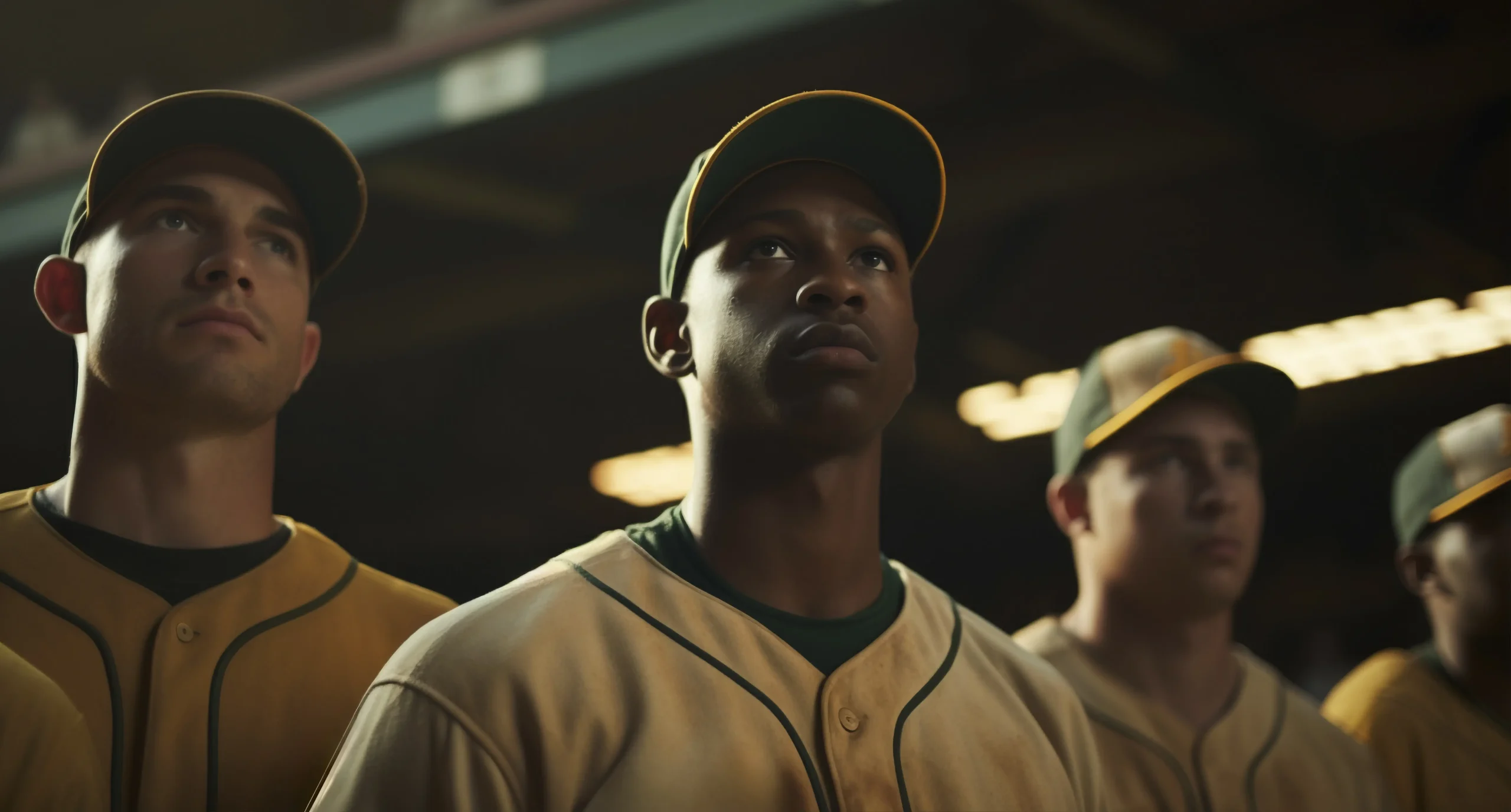
Baseball cap have been around for over a century, evolving from early headgear to the familiar modern caps we know today.
Early Days of Baseball
In the 1800s, baseball players wore various types of headgear, including straw hats and pillbox caps. These provided some protection from the sun but were far from the standardized designs we see now.
The Brooklyn Excelsiors & the Modern Baseball Cap (1860s)
The Brooklyn Excelsiors were one of the first teams to wear a modern-style baseball cap in the 1860s, featuring a rounded crown and long peak. This design became the foundation for the baseball cap as we know it today.
The Evolution of Design
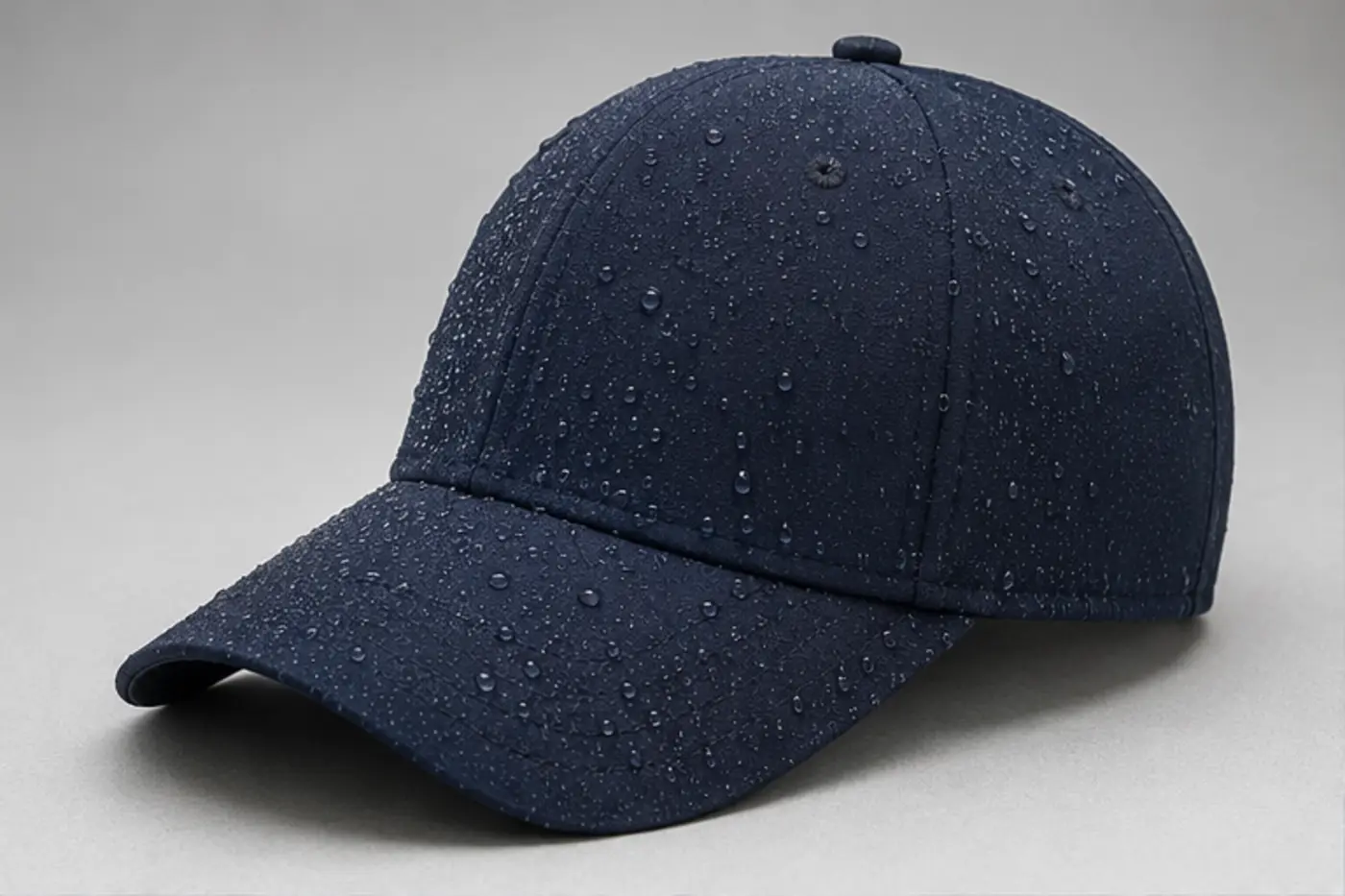
Over the years, baseball caps evolved, with the introduction of team logos and more structured designs. The New Era Cap Company played a major role in popularizing modern caps, becoming the official cap supplier for MLB players in 1954. From there, the design evolved further with innovations in materials, from early wool caps to modern, breathable, and moisture-wicking fabrics.
Why Do Baseball Players Wear Hats? (Physical Reasons)

Sun Protection & Glare Reduction
One of the most practical reasons baseball players wear hats is to protect their eyes from the sun. Whether it’s during the day or under bright stadium lights, the cap helps reduce glare, allowing players to track the ball more easily. This makes a significant difference in outfield plays and batting performance.
Sweat Absorption
Baseball is a physically demanding sport, especially during hot summer games. Sweat can quickly build up and obstruct a player’s vision, making it difficult to focus on the game. The baseball cap helps absorb sweat, keeping it from dripping into the player’s eyes and ensuring that they remain comfortable and focused throughout the game.
Visual Contrast
In addition to glare reduction, the brim of the baseball cap creates a contrast against the sky, especially in night games. This contrast aids players in tracking the ball as it soars through the air, making it easier to judge its speed and trajectory.
Eye Strain Prevention
Prolonged exposure to bright stadium lights, especially during night games, can lead to eye strain. The brim of the cap helps shade the eyes, reducing the intensity of artificial lighting and allowing players to maintain optimal vision for longer periods.
Why Do Baseball Players Wear Hats? (Cultural & Psychological Reasons)

Team Identity & Unity
The baseball cap is more than just protective gear—it’s a symbol of team spirit and unity. Wearing a team’s hat helps players showcase pride and belonging. Team logos and colors on the caps foster a sense of identity that resonates on and off the field.
Psychological Boost
For many players, putting on their cap is a mental cue. It helps them switch into “game mode”, boosting confidence and focus. Some players also have personal rituals, like wearing their lucky hat, believing it enhances their performance.
Cultural Influence
Baseball hats have transcended the sport to become a cultural symbol. In the 1980s, baseball caps became mainstream fashion, especially in streetwear and hip-hop culture. Today, they are not just worn by players but by fans, celebrities, and even fashion icons as a statement of team loyalty and personal style.
How Do Baseball Hats Impact Fans & Fashion?

Fan Connection
Baseball caps are a powerful way for fans to connect with their favorite teams. Wearing a cap with the team’s logo creates a strong visual connection between the players and their supporters. These caps have evolved into popular merchandise, becoming a revenue stream for MLB teams.
Fashion & Pop Culture
Baseball caps have become a fashion staple—worn by celebrities, musicians, and athletes. They’re no longer just for players; they’re a statement of style, team pride, and American culture. The popularity of baseball caps in everyday fashion shows how far the hat has come from being just part of a uniform.
Cultural Symbolism
Beyond being a team accessory, the baseball cap represents Americana. It symbolizes teamwork, community, and sporting heritage, resonating with fans and players alike.
Conclusion

Baseball hats are much more than just a uniform accessory. They serve to protect players from the sun, enhance performance, and symbolize team unity. Over time, they’ve evolved into cultural symbols, transcending the sport to become part of fashion and popular culture.
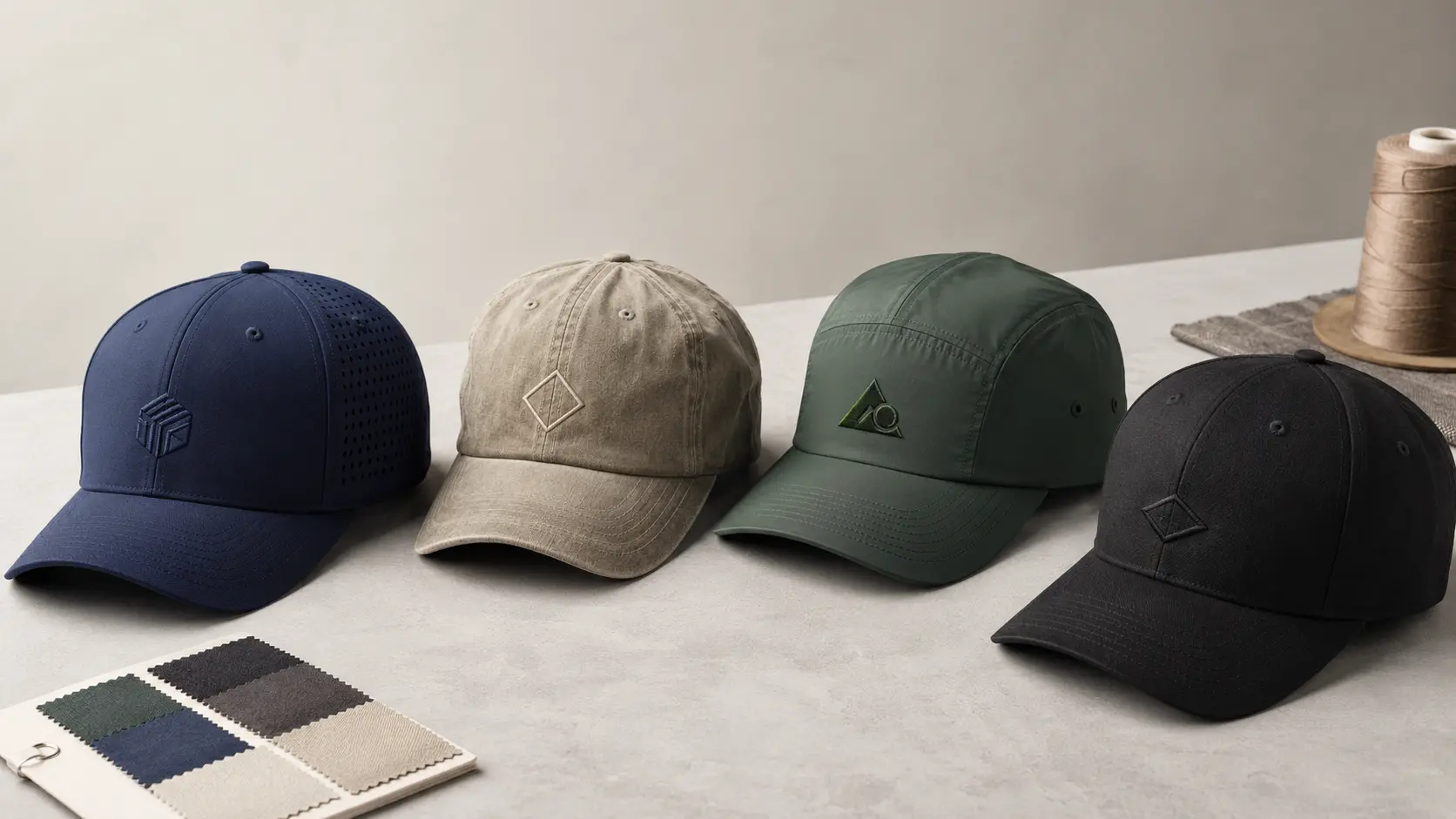
If you’re looking for high-quality, custom baseball caps for your team or business, check out Jointop. We specialize in creating durable, stylish, and personalized caps that represent your brand or team with pride. Explore our collection today and find the perfect cap for your needs!


 EN
EN  ES
ES  FR
FR  AR
AR  JA
JA  KO
KO  RU
RU  DE
DE  PT
PT  IT
IT  TR
TR