

Choosing the right performance hat goes beyond style — it’s about achieving the perfect balance between comfort, functionality, and durability. The material of a hat directly impacts your outdoor experience, especially when it comes to sweat management, breathability, and weather resistance.
In this article, we’ll explore the evolution of performance hat materials, why material choice matters, and how you can pick the right fabric for your needs.
The Evolution of Performance Hat Materials

Performance hats weren’t always technical marvels. Early outdoor hats were made of basic cotton or wool, providing only minimal sun protection. As outdoor sports, fitness culture, and technology evolved, so did the demand for lightweight, breathable, and durable fabrics. Enter the era of synthetic materials like polyester, nylon, and mesh panels — designed to withstand sweat, weather, and the wear-and-tear of active lifestyles.
Today, performance hat fabrics are engineered to be smarter, tougher, and more comfortable than ever.
Why the Right Material Matters in Performance Hats

The material isn’t just “fabric.” It’s your first line of defense against heat, sweat, and sun. Here’s why choosing the right material matters:
Comfort: The right fabric keeps your head cool and dry.
Sweat Management: Moisture-wicking materials pull sweat away, so you stay comfortable longer.
Weather Protection: Water-resistant or UV-protective fabrics shield you from rain and sun.
Durability: Tough materials resist stretching, fading, and wearing out, saving you money in the long run.
When your hat matches your activity needs, your entire performance improves.
Key Materials Used in Performance Hats

Polyester: The Durable Performer
Polyester is the go-to for most performance hats. It’s tough, moisture-wicking, quick-drying, and wrinkle-resistant. Great for intense workouts, long hikes, or just everyday active wear.
Weakness? It’s not the most breathable fabric out there.
Nylon: Lightweight and Water-Resistant
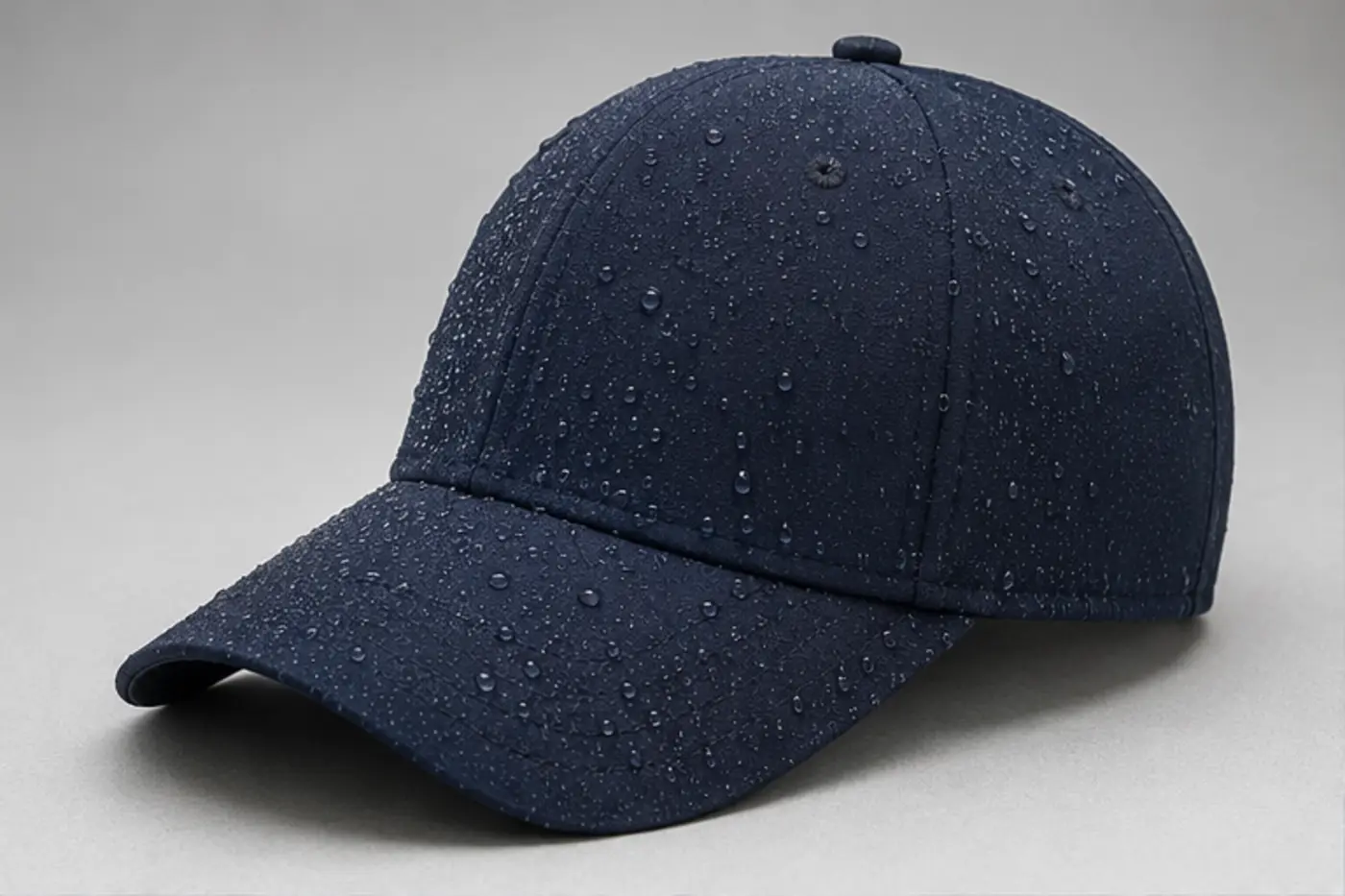
Nylon is known for being ultralight and water-repellent. It’s incredibly strong for its weight and dries quickly, making it a favorite for wet or humid environments.
Downside? Less breathable than natural fibers.
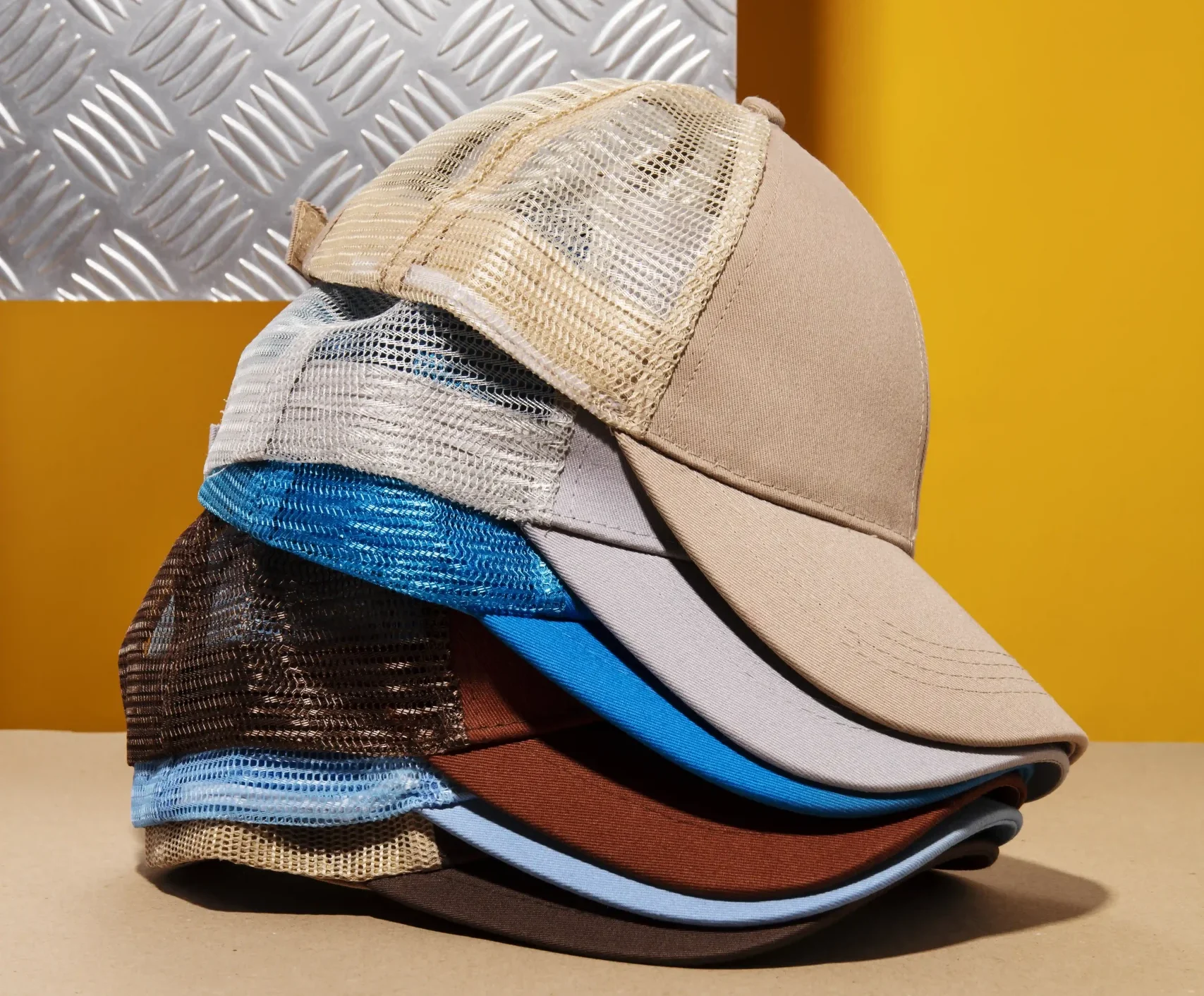
Mesh: Maximum Breathability
Mesh panels are lifesavers for hot weather activities. They let air circulate freely, keeping you cool during intense training or sunny hikes.
Catch? Mesh doesn’t offer much structure or insulation.
Cotton (and Blends): Natural Comfort, Limited Performance
Cotton feels great against the skin and breathes well. However, it absorbs moisture instead of wicking it away, which can make it heavy and uncomfortable during intense workouts.
Spandex and Technical Blends: Flexibility and Comfort
Adding a touch of spandex to fabrics creates a stretchy, flexible fit that’s perfect for activities like yoga, pilates, or trail running. Blended fabrics often give you the best balance between comfort and durability.
Choosing the Right Performance Hat Material Based on Your Activity

Hot-weather workouts (Running, HIIT): Opt for mesh panels and polyester.
Water environments (Fishing, beach sports): Choose nylon and water-resistant polyester.
Mindful movement (Yoga, pilates): Look for spandex blends for stretch and breathability.
All-around outdoor (Hiking, golfing): Pick polyester blends with UV protection.
Casual urban use: Cotton blends provide softness and style for everyday comfort.
Performance Hat Material Comparison Table
Special Fabric Features and Technologies

Today’s performance hats often pack in high-tech extras:
UV-blocking finishes to protect your skin.
Anti-odor treatments to keep your hat smelling fresh.
Smart textiles that adapt to your body temperature.
Eco-friendly materials like recycled polyester and bamboo blends for sustainable choices.
How to Care for Different Performance Hat Materials

Polyester/Nylon: Machine wash cold, air dry.
Mesh: Hand wash gently, reshape and air dry.
Cotton blends: Cold wash, avoid high heat to prevent shrinking.
UV-treated fabrics: Use mild detergents to preserve protective coatings.
Anti-odor fabrics: Skip the fabric softener — it can reduce performance.
Taking care of your hat means it’ll take care of you longer!
Conclusion

Choosing the right material for your performance hat is crucial. From moisture-wicking polyester to breathable mesh and lightweight nylon, understanding what each fabric offers helps you find the perfect match for your activity, comfort, and durability needs. Technical blends and smart textiles also open new possibilities for eco-conscious, high-performing headwear.
Looking for premium, high-performance hats tailored to your active lifestyle? Visit JoinTop to discover hats built for your next adventure!


 EN
EN  ES
ES  FR
FR  AR
AR  JA
JA  KO
KO  RU
RU  DE
DE  PT
PT  IT
IT  TR
TR