
Is your favorite cap losing its color? You’re not alone. Fading is common—but it’s also highly preventable. From harsh sunlight to cleaning mistakes, many causes can be avoided with the right care.
In this guide, we’ll walk you through the top reasons caps fade and how to keep them looking fresh, whether you’re a casual wearer or sourcing custom hats for your brand. Explore our collection.
For individual wearers, a faded cap is mostly a care issue. For brands, it can become a product quality issue. If your customers buy custom caps for golf, outdoor sports, events, resorts, teams, or lifestyle collections, fading can affect product reviews, repeat purchases, and brand trust.
That is why fading prevention should not only happen after the cap is sold. It should start during product development — from fabric selection and color choice to sweatband options, logo technique, washing instructions, and bulk production quality checks.
Sunlight Exposure (UV Rays)
Sunlight may feel great, but it’s not so kind to your cap. UV rays break down fabric dye over time, especially in cotton and other natural fibers. Wearing your cap outdoors or storing it near a sunny window can gradually bleach out the color. Learn how UV light affects materials.
For brands ordering custom caps, sunlight exposure should be considered before confirming the fabric and color. Dark colors such as black, navy, and red often show fading more clearly after long outdoor use. If your caps are designed for golf, fishing, running, beachwear, travel, or summer promotions, ask your manufacturer about UV-resistant fabrics, colorfastness, and outdoor-use material options.
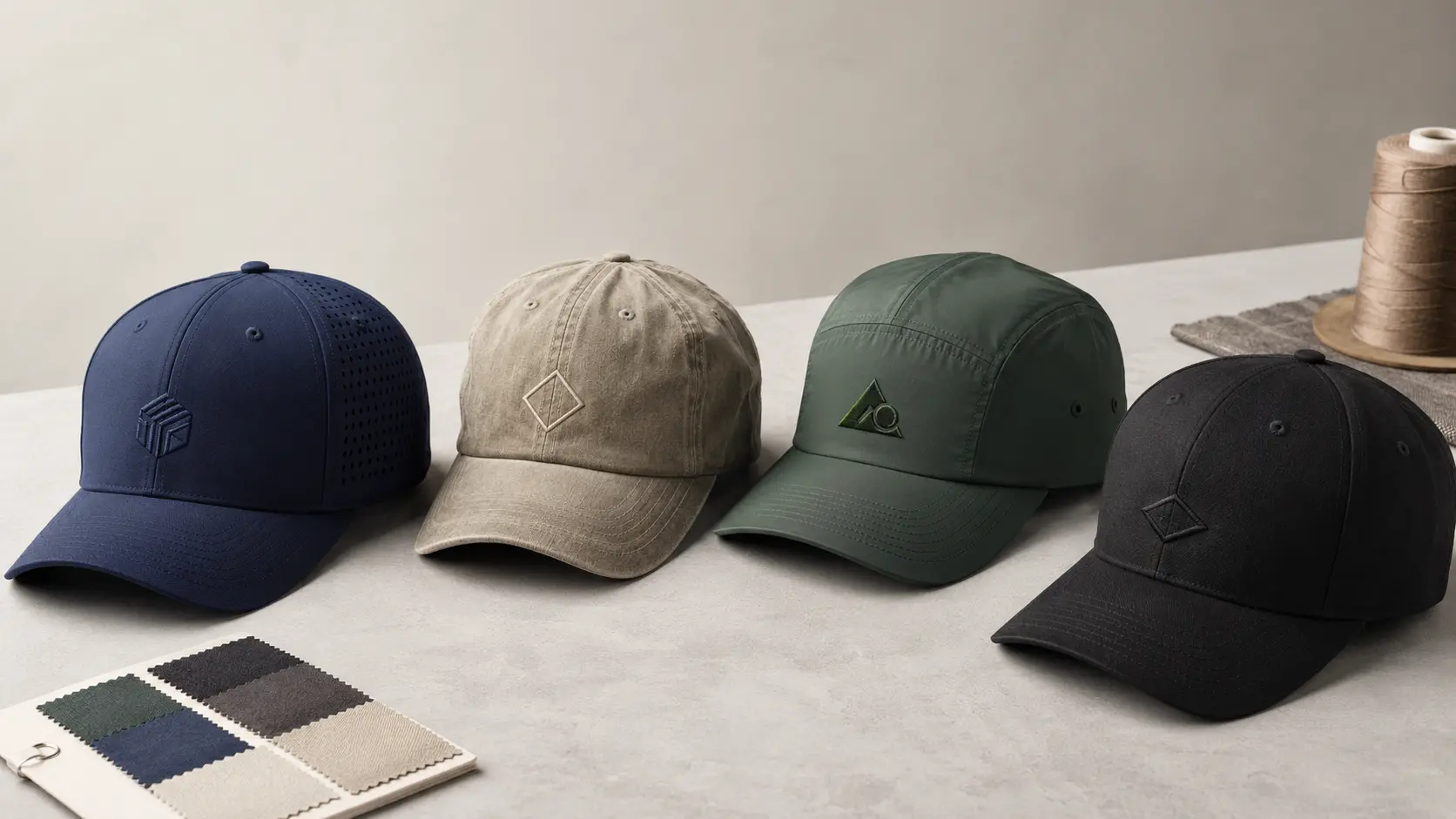
A cap that looks good in a sample room still needs to perform in real sunlight. Before bulk production, it is worth reviewing physical fabric swatches and choosing colors based on the actual wearing environment.

Pro Tip: Always store your cap away from direct sunlight. Avoid leaving it in your car or near windows to protect the dye. Find performance hats designed for sun protection.
Sweat and Salt Stains
Sweat is one of the biggest color killers. It’s not just moisture—it contains acids and salts that react with fabric dyes. When it dries and becomes alkaline, the damage accelerates. The result? Yellow stains on light caps and color bleed on dark ones.
If your brand sells performance hats, golf hats, running caps, gym caps, or summer team caps, sweat resistance should be part of the product brief. The sweatband, crown fabric, lining, and inner construction all affect how the cap feels and how long it keeps a clean appearance.
For active-use caps, consider moisture-wicking sweatbands, breathable fabrics, quick-dry materials, and lighter color planning. These choices can help improve comfort while reducing visible sweat marks and color damage.
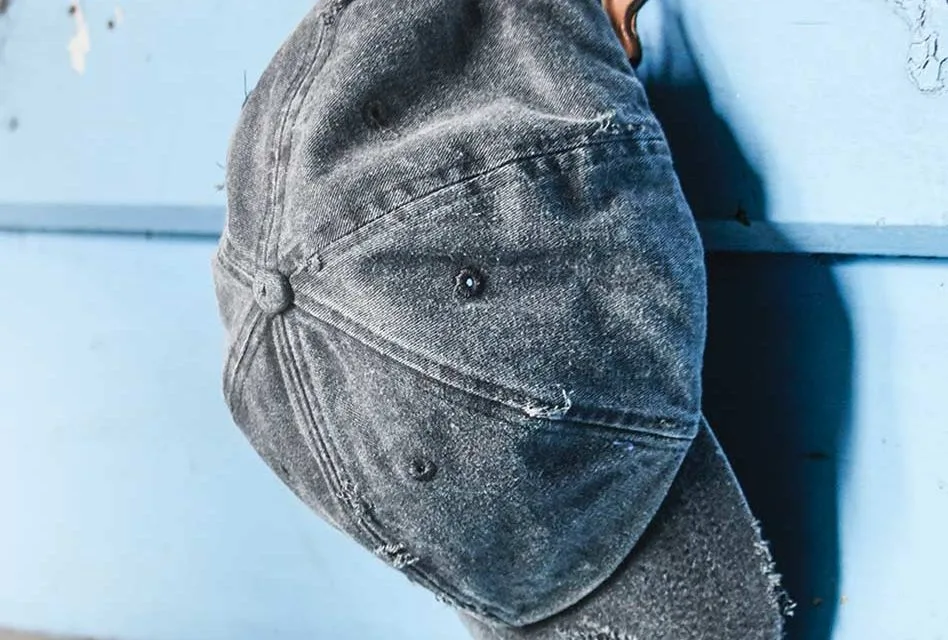
Pro Tip: Use a sweatband or hat liner when you’re active. Rotate your hats and clean high-sweat areas regularly to prevent buildup. Here’s how to remove sweat stains effectively.
Improper Washing Techniques
Throwing your cap into the washer or dishwasher might seem easy, but it’s a fast track to fading. Hot water, spin cycles, and detergents can break down fibers and leach out color, especially in structured caps.
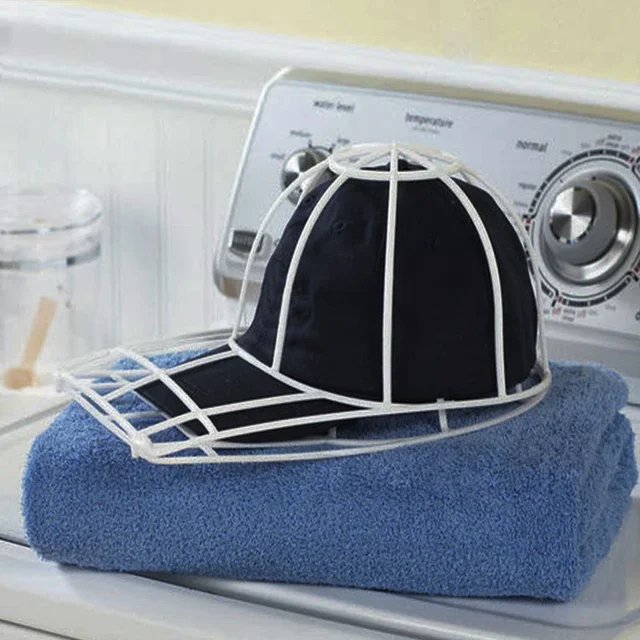
Pro Tip: Hand wash your cap using cold water and pH-neutral detergent. Let it air dry naturally to preserve its shape and color. Read our guide to washing hats with a hat cage or see if dry cleaning is an option.
For brands, washing instructions are not a small detail. Many customer complaints happen because the cap was washed incorrectly, but the customer may still blame the product quality. A simple care label, hangtag, or product page note can reduce misuse and help customers keep the cap in better condition.
A practical care instruction could be:
Hand wash cold. Use mild detergent. Do not bleach. Do not tumble dry. Air dry only. Avoid long exposure to direct sunlight when not in use.
Harsh Cleaning Products
Bleach and strong detergents may get rid of stains—but they also destroy the cap’s dye. Some multi-purpose cleaners contain high pH levels or harsh chemicals that leave behind patchy, faded spots. Learn more about pH in laundry products.
Pro Tip: Use only color-safe, gentle products. Always test on a small, hidden area first to avoid unpleasant surprises.
This is especially important for custom caps with embroidery, woven patches, rubber patches, leather patches, silicone labels, or printed logos. Different logo techniques may react differently to cleaning products, heat, water, and friction.
Before confirming your custom cap order, ask whether the logo material has any special care requirements. A premium cap is not only about the fabric — the logo, patch, closure, sweatband, and packaging should all work together for long-term use.
Aggressive Scrubbing or Brushing
Got a tough stain? Scrubbing with a stiff brush might seem like a solution—but it often does more harm than good. Excessive friction can damage fibers and lift dye, resulting in uneven wear.
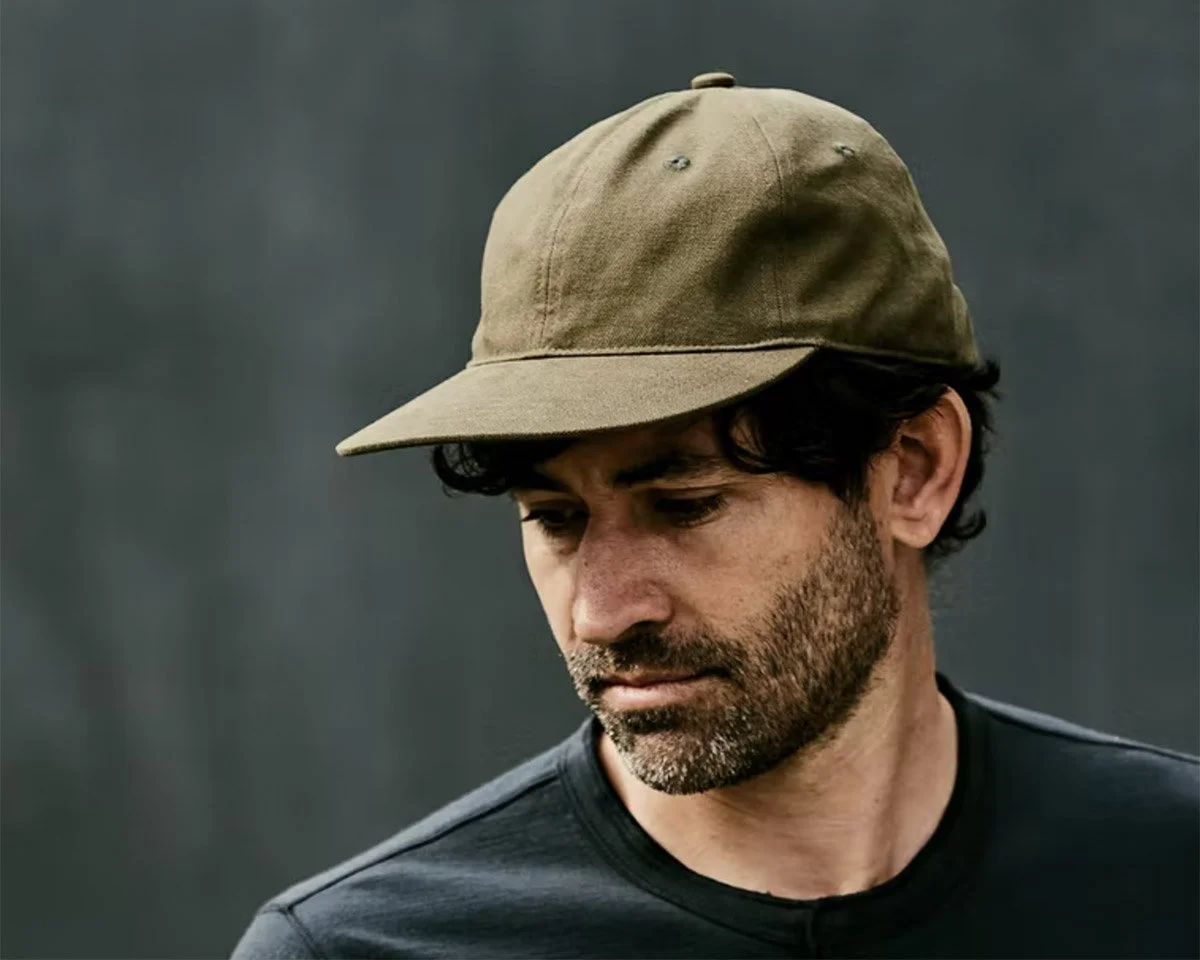
Pro Tip: Gently dab stains with a soft cloth or sponge. Be patient and avoid forceful motions to protect the fabric.
Dirt, Oil, and Hand Contact
Every time you adjust your cap, natural oils and dirt from your hands transfer onto the fabric. Over time, this buildup dulls the color, especially around the brim and crown.

Pro Tip: Handle caps with clean hands and wipe them down gently after frequent use. Regular care helps maintain that just-bought look. Learn how to reshape and restore a cap’s appearance.
Poor Storage Habits
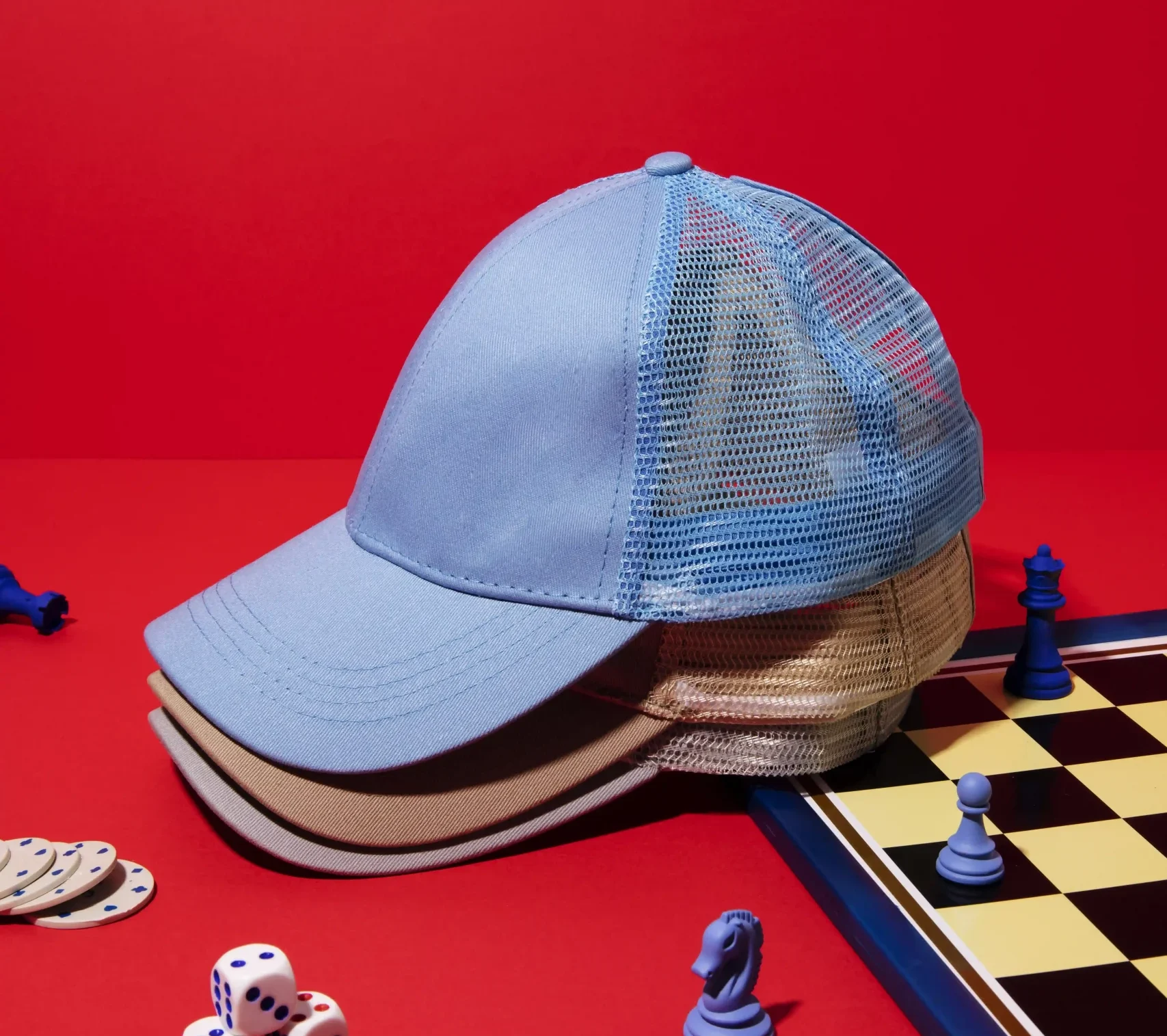
Stashing your cap in a hot car, a humid closet, or a tightly packed drawer? Those habits lead to fading, mildew, and shape loss. Improper storage causes pressure marks, discoloration, and fabric fatigue.
Pro Tip: Store your cap on a rounded form or hook in a cool, dry, and dark space to help it retain its color and structure.
Bonus: Can You Restore a Faded Cap?
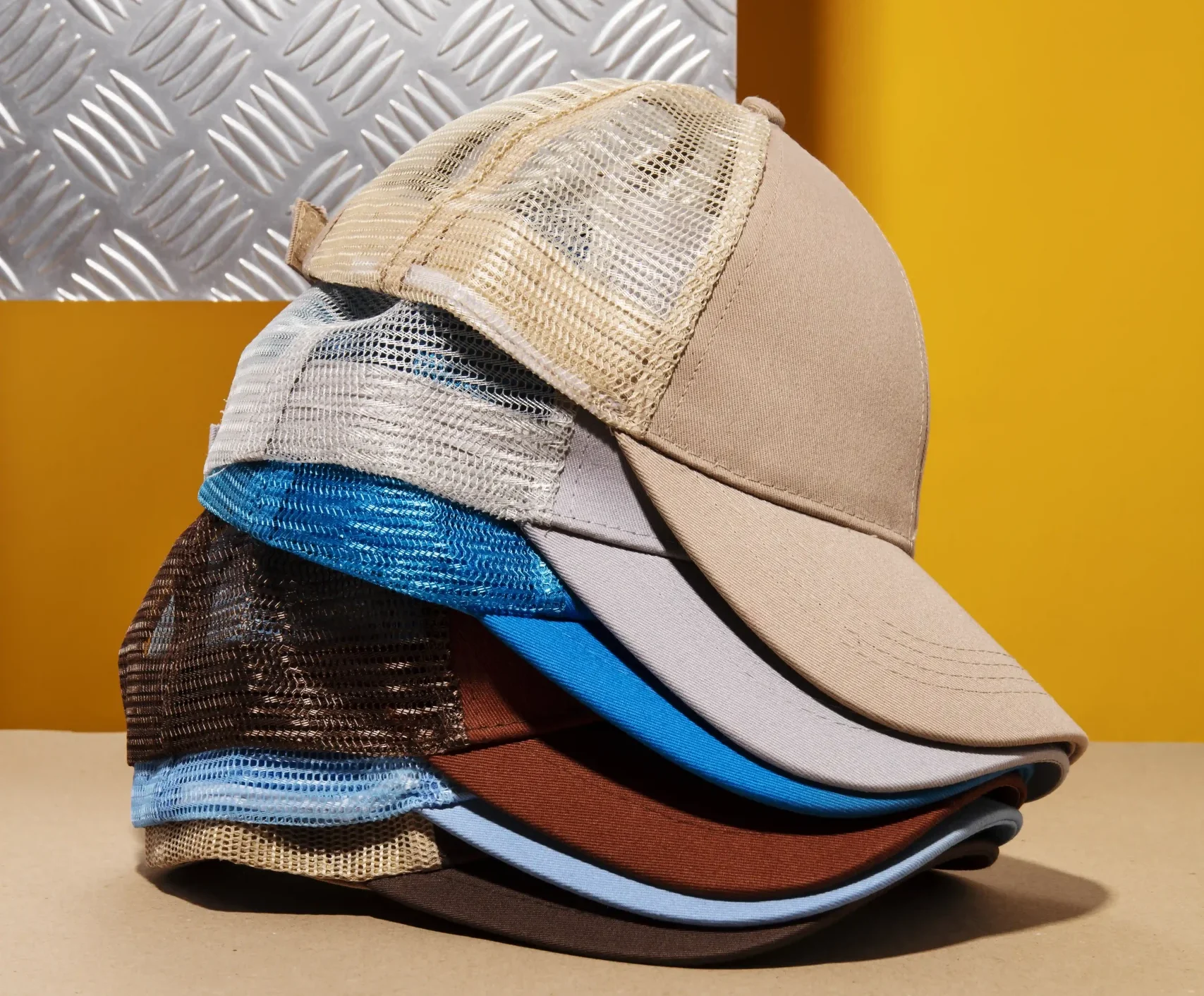
If your cap is already faded, all hope isn’t lost. Fabric dye or fabric paint can bring back some vibrancy—but results vary depending on material and color. Be careful around embroidery or synthetics, which may react unpredictably.
Note: While restoration is possible, preventing fading from the start is always your best bet.
What Brands Should Check Before Ordering Custom Caps
If you are sourcing custom caps for your brand, fading prevention should be part of the product development checklist. Instead of only asking whether the sample looks good, ask whether the cap can keep its color and shape after real use.
Here are a few things to check before bulk production:
| Checkpoint | Why It Matters |
|---|---|
| Fabric composition | Cotton, polyester, nylon, and blended fabrics perform differently under sun, sweat, and washing. |
| Color choice | Dark and bright colors may need stronger colorfastness control. |
| Sweatband material | Important for golf, running, gym, outdoor, and summer caps. |
| UV resistance | Useful for outdoor, fishing, golf, resort, and team caps. |
| Logo technique | Embroidery, patches, rubber logos, and printed labels may have different care requirements. |
| Sample review | Helps catch fading, fit, comfort, and logo issues before bulk production. |
| Care instructions | Reduces preventable customer complaints after purchase. |
| Packaging method | Helps protect cap shape and surface during shipping and storage. |
For brands, a faded cap is not just a color problem. It can affect how customers judge your product quality. Choosing the right material, color, logo method, and care instructions before production can help your cap line perform better in the market.
Conclusion
Faded caps are usually the result of everyday exposure—sun, sweat, washing, or even improper handling. But the good news? These causes are easy to avoid with a few smart habits. Protect your investment, preserve your brand image, and keep your caps in great shape.
Looking for custom caps that hold their color, shape, and brand image longer? JoinTop helps brands develop custom baseball caps, golf hats, performance hats, and outdoor caps with fabric selection, logo customization, sample support, and bulk production options.
Share your cap style, estimated quantity, logo method, and target market with us. Our team can help recommend suitable fabric, color, sweatband, and production options for your next collection.


 EN
EN  ES
ES  FR
FR  AR
AR  JA
JA  KO
KO  RU
RU  DE
DE  PT
PT  IT
IT  TR
TR