

Straw hats have long been a summer favorite, known for their airy feel and timeless style. They offer shade, comfort, and a classic look that works from beaches to backyard gatherings. But when clouds roll in, many people wonder: are straw hats waterproof?
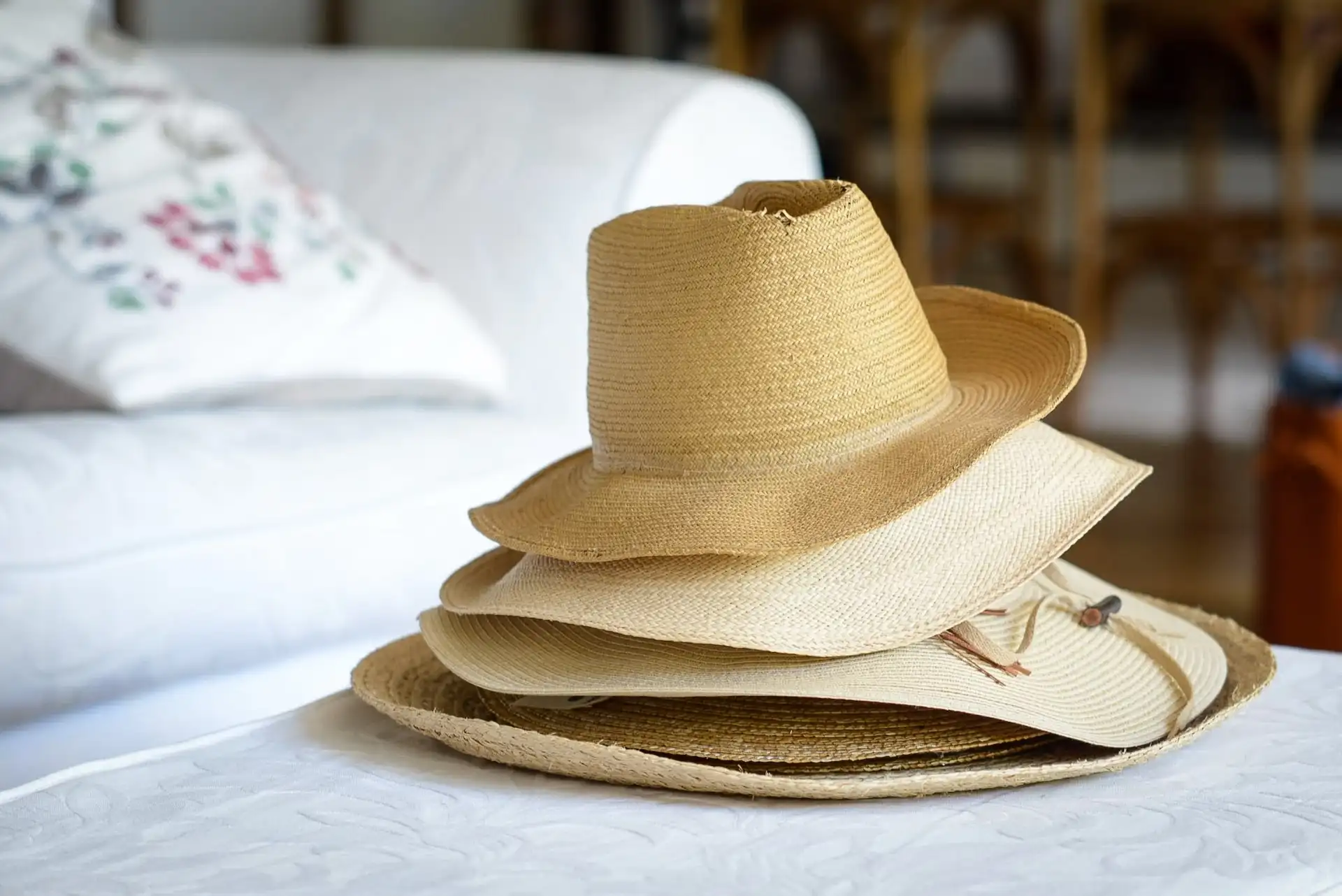
The truth is, straw and water don’t mix well. While some types of straw may handle a drizzle better than others, most will warp, stain, or weaken if exposed to rain for too long. In this guide, we’ll explain what happens when straw gets wet, how different straws compare, and what you can do to protect your hat. We’ll also share smarter options if you need a hat that stands up to both sun and showers.For rain-ready picks, see best waterproof hats.
Quick Answer: Not Waterproof (and Why)
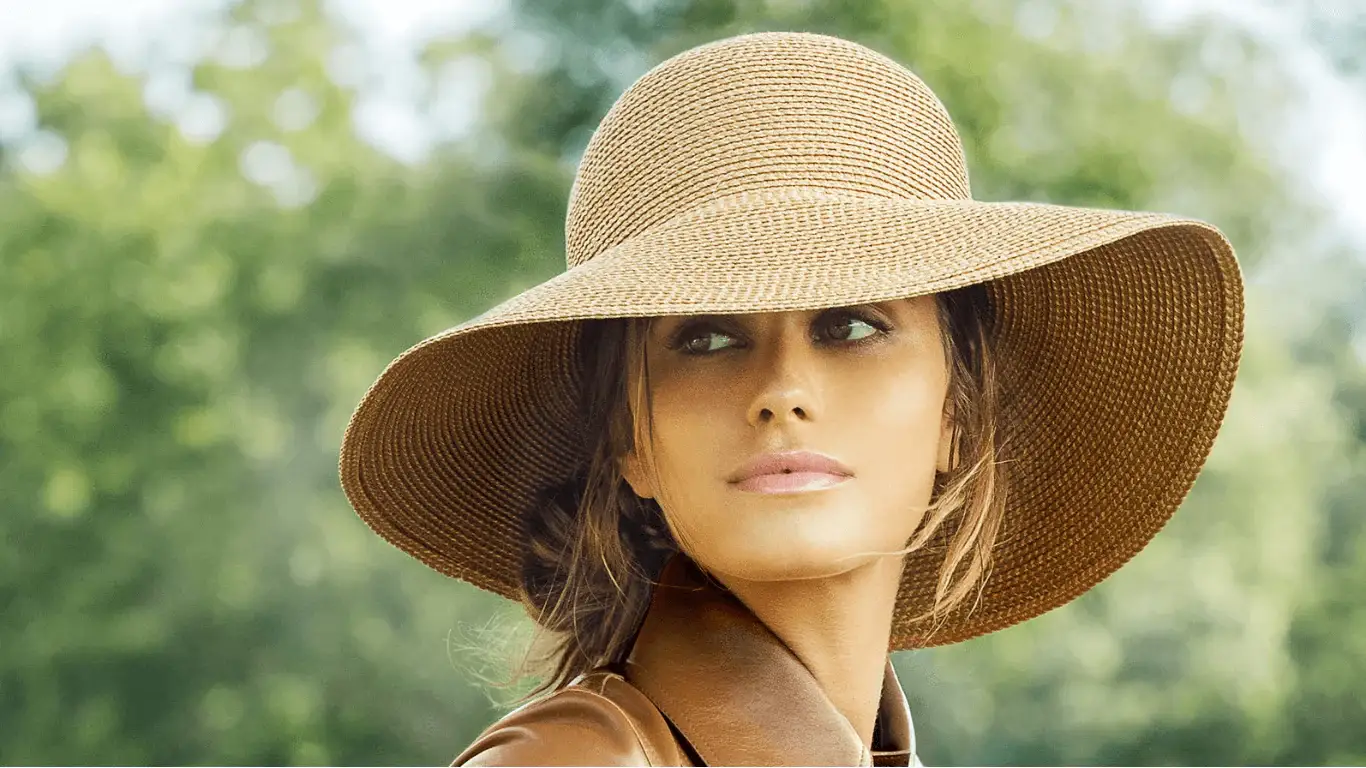
Straw hats look stylish and airy, but they are not waterproof. Straw fibers naturally absorb water, and when they get wet, they swell and weaken. This can cause the crown or brim to lose shape, leaving your hat warped or floppy.
A light sprinkle might not ruin your hat, but heavy rain can stain, deform, or even encourage mold if it stays damp too long. In short, straw hats are best kept for dry, sunny days, not wet weather.If you need an all-weather build, check our waterproof hat manufacturer page.
Natural straw = absorbent → loses shape when soaked
Heavy rain = risk of stains, warping, mildew
Brief drizzle = usually safe if dried properly
What Rain Does to Straw
When straw gets wet, the fibers begin to swell and soften. This often leads to warping, where the crown or brim can collapse and lose its crisp shape. If you try to force-dry it with heat, the damage may become permanent. That’s why gentle air-drying is the safest option.
Moisture that lingers inside the weave can also invite mildew or mold, especially if the hat is stored before it fully dries. Once mold sets in, it’s tough to remove and may leave stains or odors. To keep your straw hat looking sharp, always let it dry slowly in a cool, airy place.
Swelling fibers → crown collapse or brim warping
Lingering moisture → mildew, stains, or unpleasant odor
Avoid heat → high temperatures can lock in distortions
Straw Types & Water Tolerance (Not Waterproof)
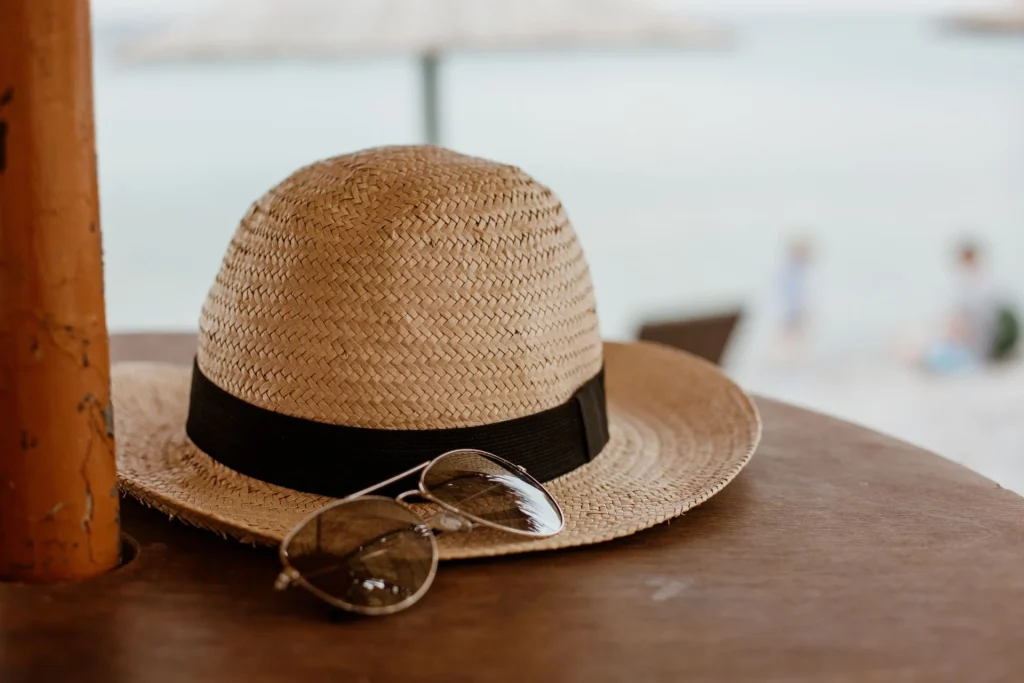
Not all straw hats react to water the same way. Some weaves are denser or naturally tougher, but none are truly waterproof. Here’s a quick look at how different types hold up in wet conditions.
Toquilla / Panama straw: Famous for their lightweight and breathable style, but these are not made for rain. Even a short soak can cause them to lose their elegant shape.
Raffia straw: Naturally more flexible and slightly more water-resistant than many other straws. Still, raffia is not waterproof and should be dried carefully after drizzle.
Palm leaf straw: Known to be tougher and able to handle occasional wetting better than most. However, full saturation can still warp or stain the fibers.
Paper / Toyo / Shantung straw: These are paper-based straws, sometimes coated with lacquer or resin. Their water resistance depends heavily on the finish, but they remain vulnerable in heavy rain.
If you need a hat for mixed weather, choose wisely. Palm leaf or raffia can tolerate a light sprinkle better than Panama or paper straws, but they’re still not a substitute for a true waterproof hat.For dry, sunny days, explore our straw beach hats.
“Waterproof” vs “Water-Resistant” Labels

It’s common to see hats advertised as “waterproof straw,” but the reality is different. Most brands apply a lacquer or protective finish that makes the hat resist light moisture. This helps during a brief drizzle, but in a downpour the fibers will still absorb water and lose their shape. The finish adds protection, not a full barrier.
When retailers use the word “waterproof,” it often means the straw has been treated or blended with synthetic materials. These treatments can slow down water damage, but they don’t make the hat truly waterproof. It’s better to think of them as water-resistant hats—fine for a sprinkle, but not reliable in heavy rain.For sun-safe fabric standards, note that UPF 50 blocks ~98% of UV rays.
Water-resistant finish = helps against drizzle, not storms
Synthetic blends or coatings = extra shield, still limited
True waterproofing = only possible with non-straw fabrics
Can You Waterproof a Straw Hat? (You Can Only Boost Resistance)
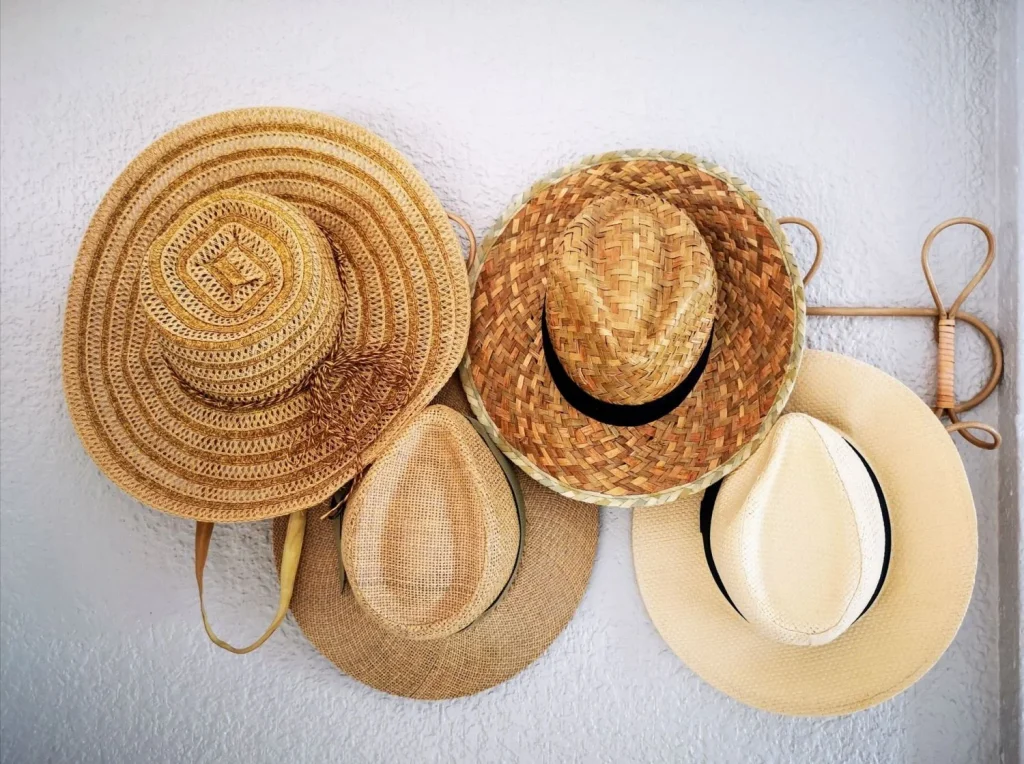
Straw hats can’t be made fully waterproof, but you can improve their ability to resist light moisture. The most common method is applying a clear, straw-safe water-repellent spray. When you use this, apply light, even coats and allow each layer to cure fully. Avoid oversaturating the fibers, since too much spray can cause staining or stiffness. Always test a small, hidden area first to make sure the color doesn’t change.
Keep in mind that water-repellent sprays only reduce wetting, they don’t create a true waterproof barrier. The protection fades over time, especially if the hat is exposed to sun, sweat, or frequent use. For best results, reapply the spray periodically. Treat it as ongoing maintenance if you want your straw hat to last longer outdoors.
Water-repellent spray = boosts resistance, not full waterproofing
Light coats only = avoid stiffness or discoloration
Regular reapplication = keeps protection working over time
Prefer guaranteed rain performance? Choose our UV protection + waterproof cap guide.
What To Do If Your Straw Hat Gets Wet
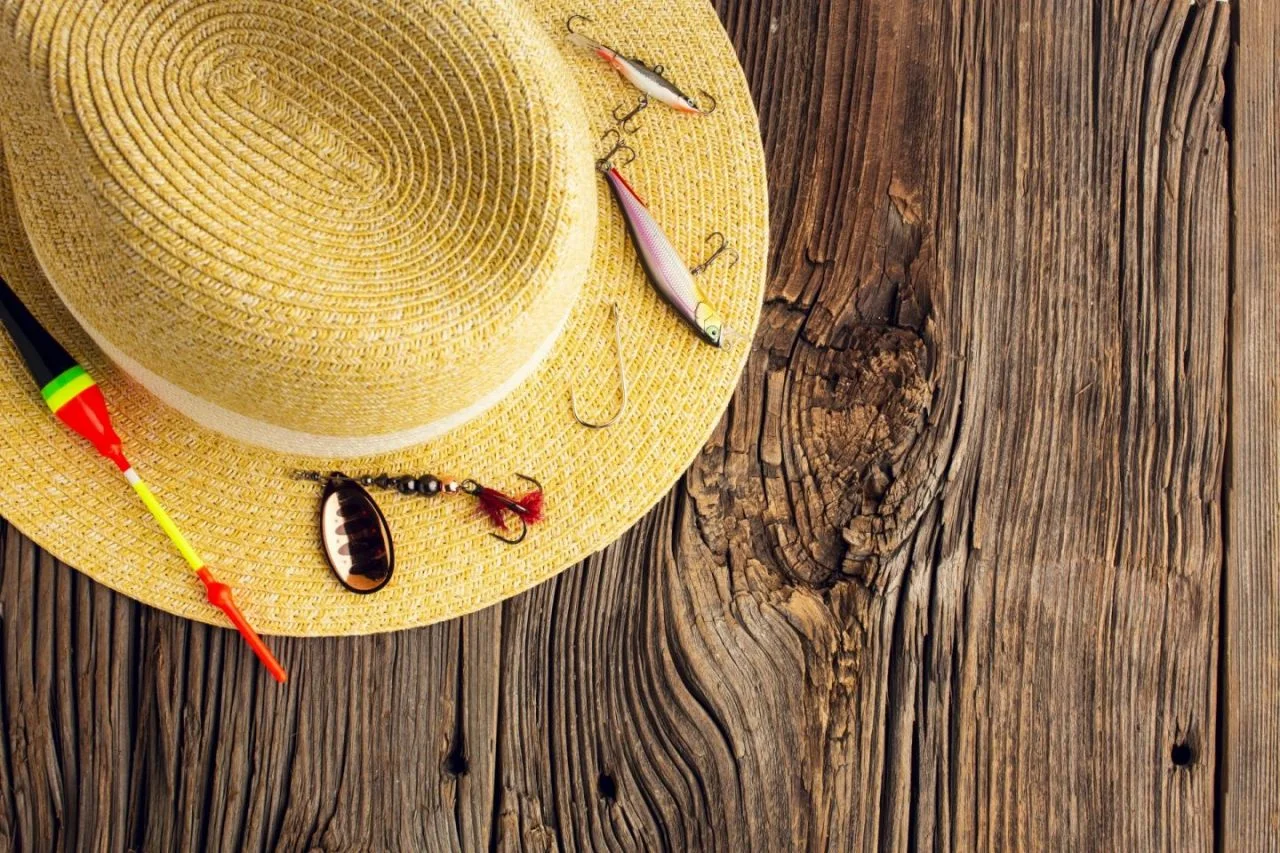
A wet straw hat doesn’t have to be ruined if you handle it the right way. The key is gentle drying. Start by reshaping it while it’s still damp. You can place it on your head or use a clean hat form to help it keep its structure. Always let it air-dry in a cool, ventilated space, away from direct heat or sunlight.
What you should never do is use hairdryers, radiators, or open flames. High heat can shrink or crack the straw, leaving permanent damage. Also, avoid soaking the hat further—extra water only makes the fibers weaker. A little patience goes a long way in saving your favorite straw hat.
Do: reshape gently and air-dry on a form or head
Do: keep away from heat and strong sunlight
Don’t: use hairdryers, heaters, or radiators
Don’t: soak or force-dry the hat with more water
Cleaning Without Soaking

Keeping a straw hat clean doesn’t mean you should wash it like clothing. The safest way is spot-cleaning. Use a soft, dry cloth first to remove dust. For tougher marks, dampen the cloth slightly with water and add a small amount of mild soap. Gently wipe only the dirty areas, then let the hat dry naturally.
Avoid putting your straw hat under running water or submerging it completely. Soaking weakens the fibers and causes the weave to stretch or warp. The only exception is palm leaf straw, which is sturdier and can handle a bit more moisture. Still, even with palm leaf, it’s best to keep cleaning gentle.
Use a dry cloth for dust and surface dirt
Mild soap + damp cloth for small stains
Never soak straw hats (except palm leaf, sparingly)
Air-dry only after spot-cleaning
Better Choices for Rain + Sun Protection

If you want a hat that works in both sunshine and surprise showers, fabric hats are a smarter pick than straw. Look for options made with nylon or polyester blends. These materials are lightweight, quick-drying, and often come with a water-repellent finish that protects against light rain.For material trade-offs in wet weather, see nylon vs polyester waterproof sports caps.
For sun safety, check for a UPF rating. A UPF 50 hat blocks about 98% of harmful UV rays, which is the level recommended by groups like The Skin Cancer Foundation. This gives you the look and coverage you want without worrying about water damage.
Nylon or polyester blends = water-repellent and quick-drying
UPF 50 rating = excellent UV protection outdoors
Better all-weather choice = works for rain and sun alike
Ready to Get Started?
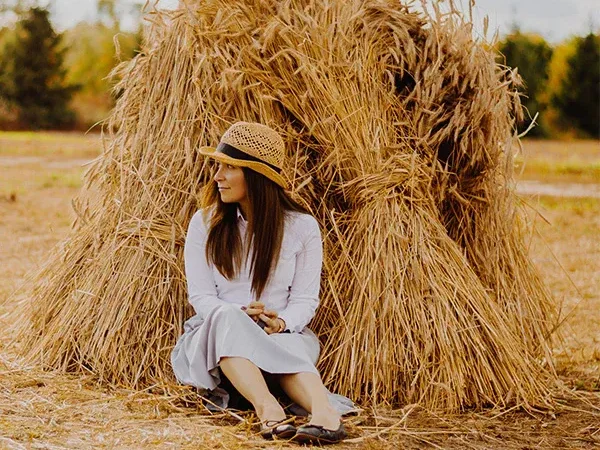
Create custom sun hats that last longer and handle light moisture. Choose strong fabrics like nylon or polyester with water-repellent coatings and UPF 50+ protection. Add details such as sweat-wicking liners, breathable vents, and adjustable closures to stay comfortable in any weather.
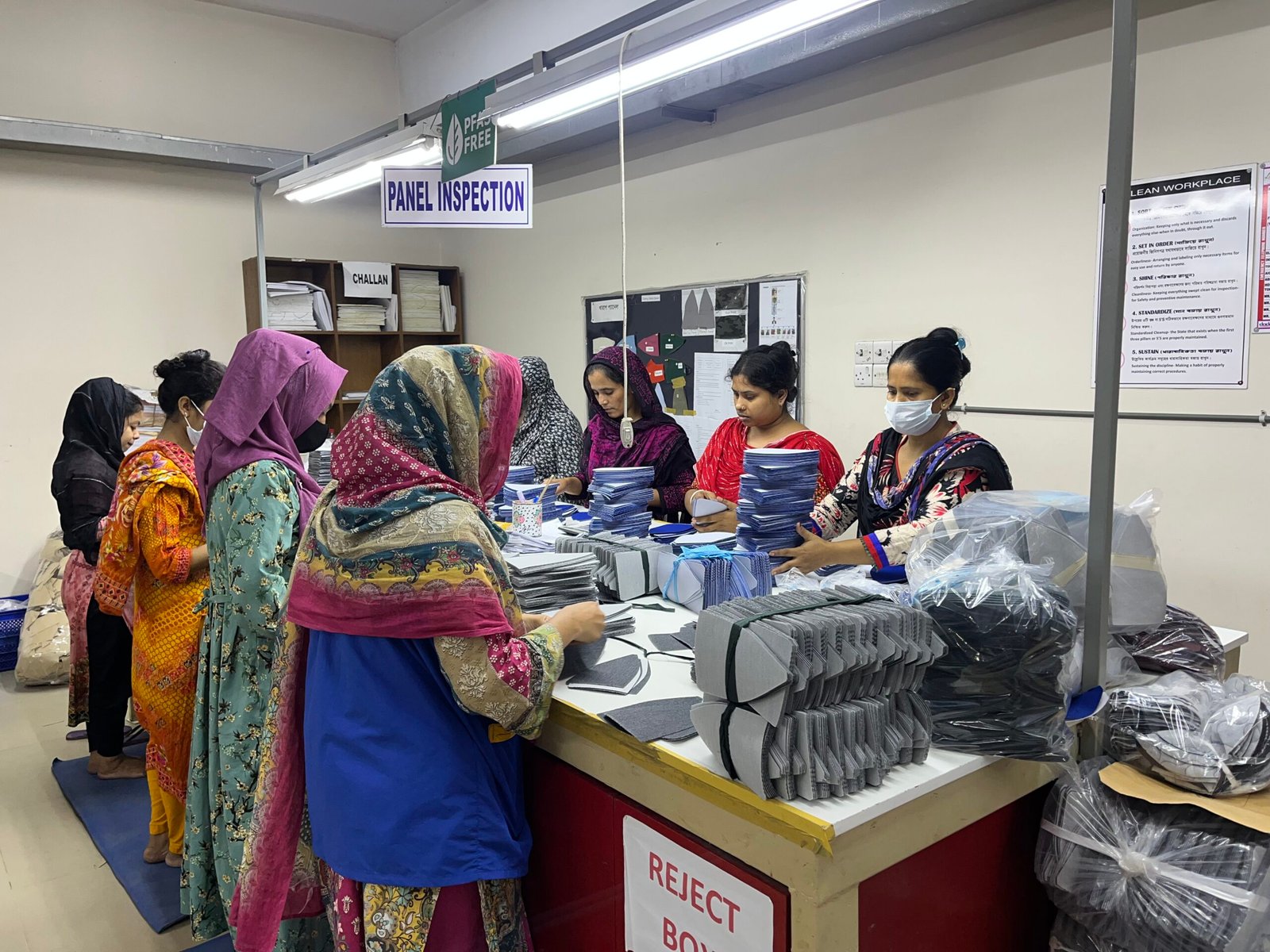
At JoinTop, we specialize in OEM/ODM headwear production with trusted factories in China, Bangladesh, and Vietnam. Get fast sampling, fair pricing, and flexible minimums for your project. Contact us today to explore fabric swatches, compare styles, and start building your custom all-weather hat collection.
 EN
EN  ES
ES  FR
FR  AR
AR  JA
JA  KO
KO  RU
RU  DE
DE  PT
PT  IT
IT  TR
TR