

Wearing a baseball cap should feel easy—but if your ears stick out, it can make your look feel awkward or uncomfortable. This common issue usually comes down to the cap’s fit or how it’s worn. The good news? You don’t need to stop wearing caps altogether. With the right adjustments to size, position, and styling, you can keep your ears in check and your look on point.
Want a custom-fit cap that looks great and feels better? Let’s walk through a few tips to help you wear your favorite cap comfortably—and confidently.
For individual wearers, ear flare is usually a fit and styling issue. For brands, it can become a product development issue. If your customers feel pressure around the ears, see side bulging, or find the cap uncomfortable after a few hours, they may not describe it as a “pattern problem” — they may simply think the cap does not fit well.
That is why custom baseball cap development should not only focus on logo placement and color. The crown shape, side panel structure, closure type, sweatband, brim curve, and size grading all affect how the cap sits around the head and ears.
Why do baseball caps make ears stick out?

Most of the time, it’s because the cap is too tight around the sides, pushing your ears outward. This is especially common with non-adjustable or poorly fitted caps. Head shape and ear placement can also play a role. If the sides of the cap press too close to the ear base, even a good-looking hat can ruin your overall appearance. Need help finding your size? Learn how to measure your hat size.
For brands ordering custom caps, this issue often comes from the fit structure rather than the wearer. A cap with a narrow side fit, low crown, tight sweatband, or stiff side panel may press too close to the ear area. Even if the cap looks good from the front, the side profile may feel uncomfortable or look awkward when worn.
Before bulk production, brands should review not only the front logo and overall design, but also the side view, ear clearance, crown depth, and how the cap fits different head shapes.
Pick the right type of cap
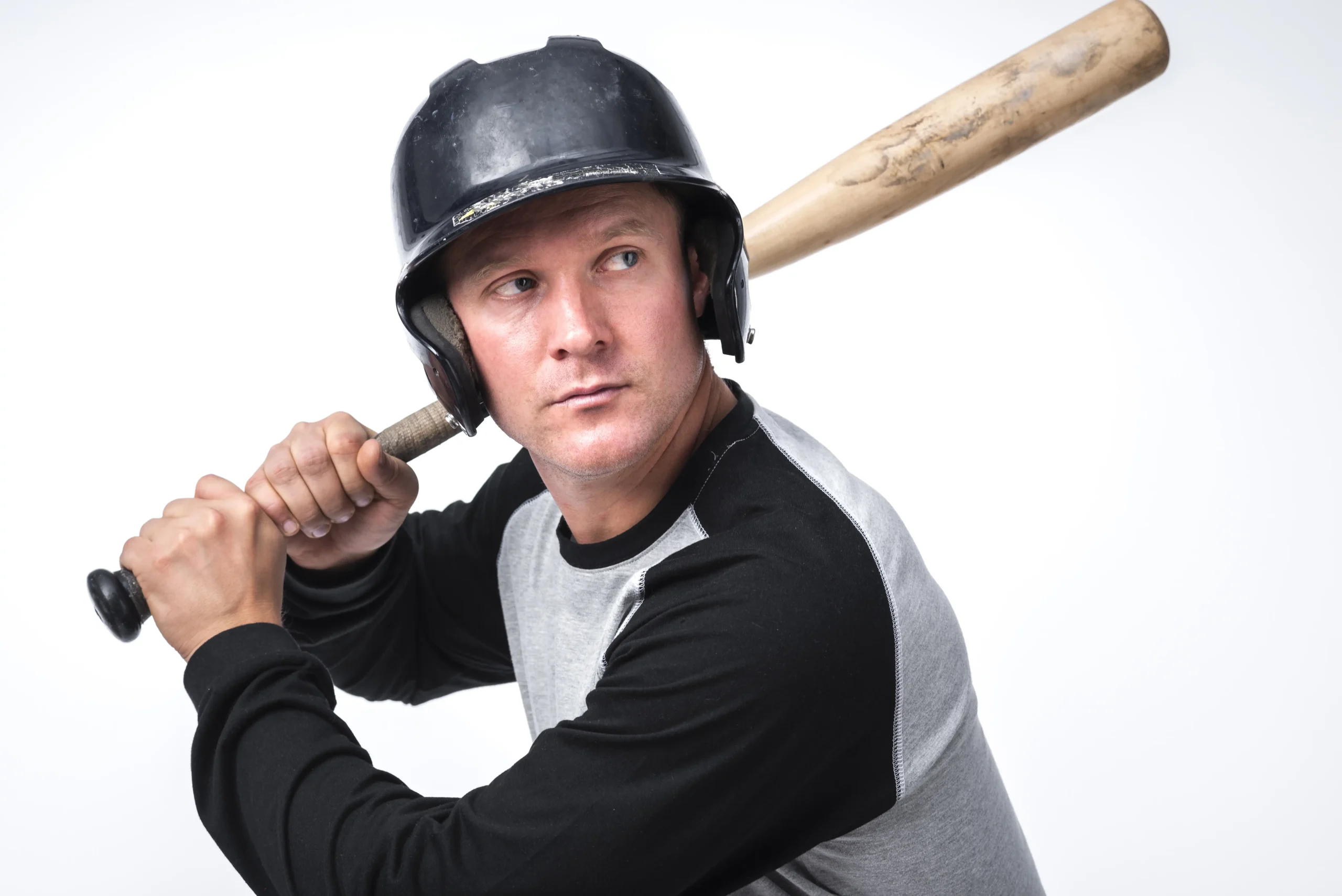
Cap style makes a big difference in both comfort and appearance.
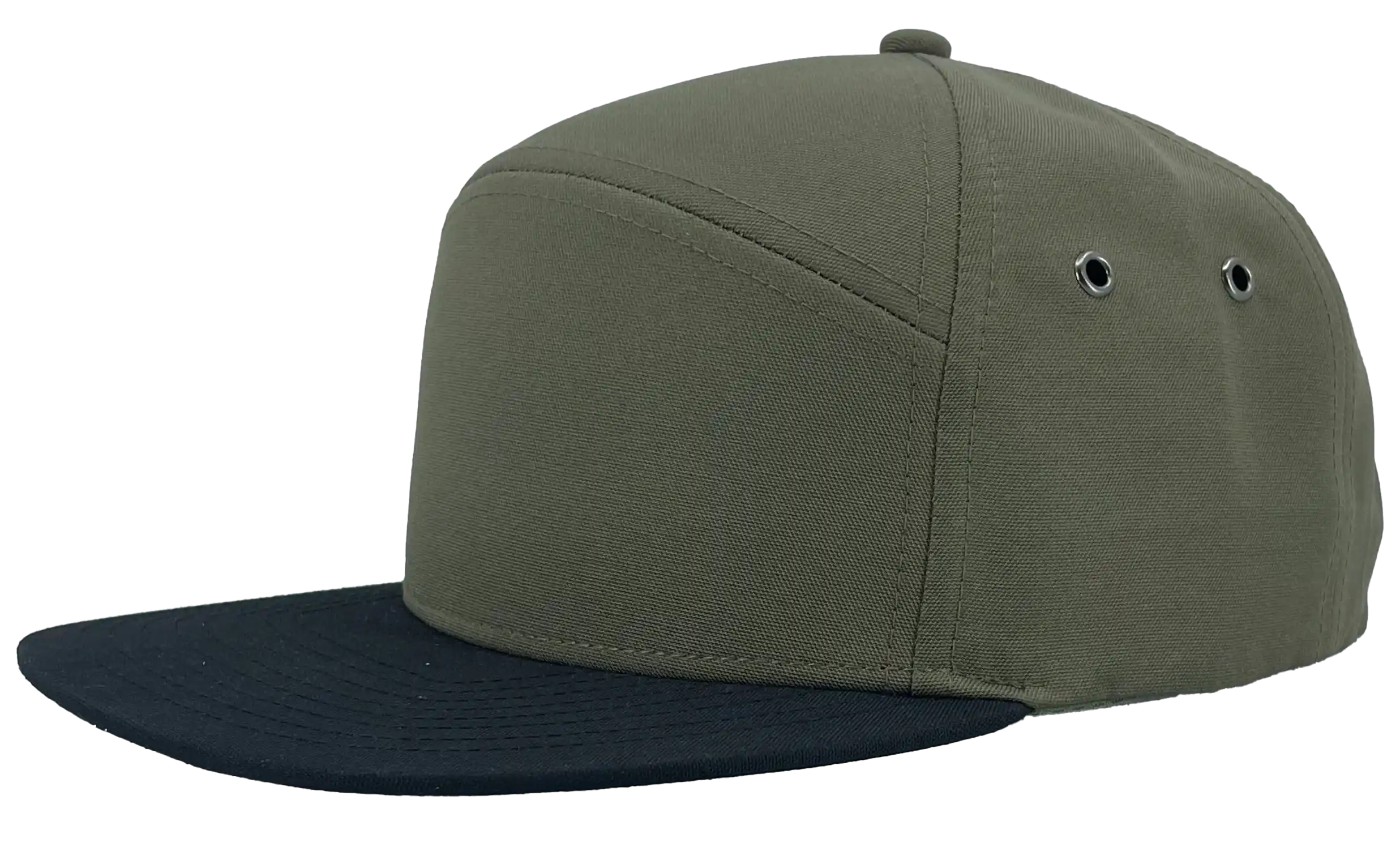
Snapback caps offer adjustable sizing with a plastic closure.
Strapbacks use a fabric or leather strap with a buckle—more subtle and often more comfortable.
Flexfit caps stretch to your head shape but still need the right base size.
Fitted caps have no adjustment, so they must fit perfectly.
Choose a cap that sits snugly without squeezing. If your ears feel pinched or you see red marks after wearing, it’s time to size up—or try a different style.
See the full range of baseball cap types and their features.
For brands, cap type should match the target customer and use case. Snapbacks are easy to adjust and work well for lifestyle, streetwear, team, and promotional caps. Strapbacks often feel cleaner and more premium, making them suitable for golf, resort, and lifestyle collections. Flexfit caps can offer a smooth look, but the base size must be planned carefully to avoid side pressure. Fitted caps require the most accurate size grading because there is no adjustment system.
If your brand serves a wide customer base, adjustable closures are usually safer for first-time custom cap orders. If your brand focuses on premium fitted caps, sample testing across multiple head sizes becomes more important.
What Brands Should Consider When Creating Comfortable Custom Baseball Caps
A comfortable cap is not only important for individual wearers. For brands, companies, sports teams, clubs, and event organizers, comfort should also be a key part of custom cap development. If a cap feels too tight around the sides or creates pressure near the ears, people are less likely to wear it regularly.
When ordering custom baseball caps in bulk, it is not enough to choose only the logo and color. Crown height, side panel shape, closure type, material, brim shape, and size range all affect how the cap feels in real daily use.
1. Choose the Right Cap Structure
Structured baseball caps create a clean, sporty, and stable look. Unstructured dad hats feel softer and more relaxed. Snapback caps offer an adjustable streetwear style, while stretch-fit caps can provide more flexibility when the base size is correct. For brands, the best structure depends on the target audience, wearing scenario, and product positioning.
2. Pay Attention to Side Fit and Crown Shape
A cap that is too tight around the sides can create pressure near the ears. A well-developed custom cap should sit securely without squeezing. For promotional caps, team caps, or retail collections, it is helpful to check sample fit before bulk production.
3. Select the Right Closure Type
Snapback closures, metal buckles, hook-and-loop straps, and fabric straps all offer different benefits. For many bulk orders, adjustable closures are practical because they can fit more head sizes. However, the closure also affects comfort, appearance, durability, and cost.
4. Match Material with Wearing Comfort
Cotton twill, polyester, mesh, canvas, nylon, and performance fabrics all feel different when worn. For everyday casual caps, cotton or cotton-blend fabrics are comfortable and versatile. For sports, summer promotions, or outdoor events, breathable mesh or lightweight performance fabrics may be more suitable.
5. Design for Real Wear, Not Only Product Photos
A good custom cap should look attractive from the front, side, and back. Logo embroidery, woven labels, side patches, back strap branding, contrast stitching, and custom closures can all make the cap feel more complete and professional.
At JoinTop, we help brands develop custom baseball caps, snapback hats, dad hats, trucker caps, performance caps, and other headwear products based on comfort, fit, material, logo decoration, and bulk production requirements.
Looking to create comfortable custom caps for your brand, team, event, or retail collection? Send us your logo, design idea, and order quantity to request a custom cap quote.
Position your cap the right way

Where and how you wear the cap makes a difference:
Avoid pulling the cap down too far—it causes pressure and makes ears flare out.
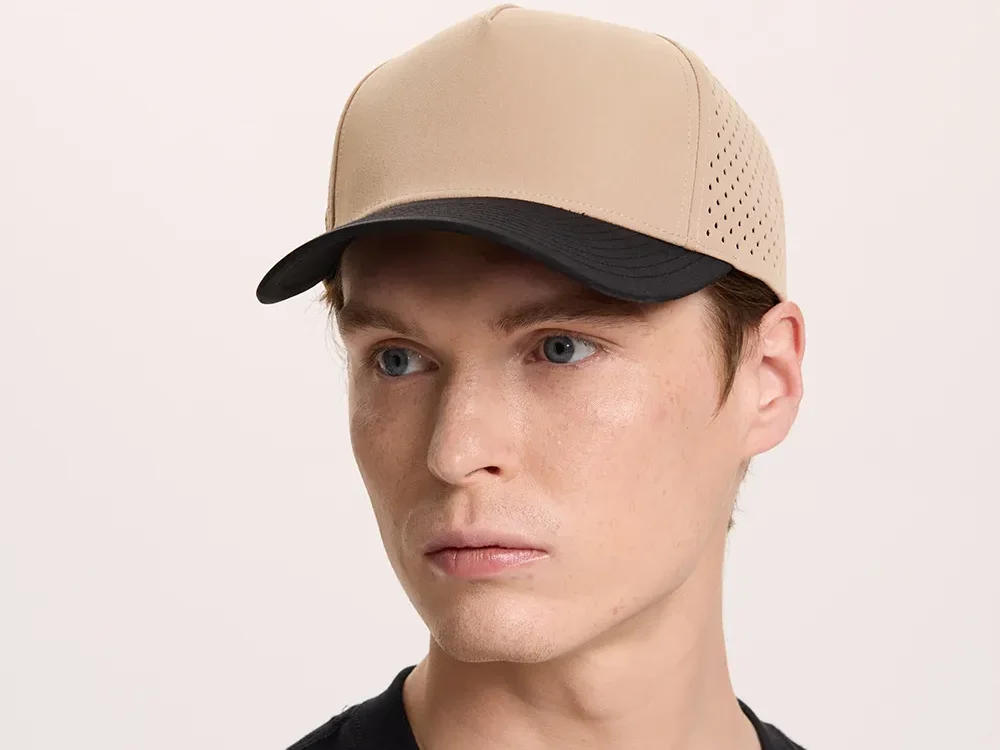
Try wearing the cap slightly tilted back and upward. This lifts the brim and draws the eye away from the ear area.
Always check the look from the side. Use your phone camera or a mirror to spot any obvious sticking out.
These small adjustments can help your ears blend naturally into the cap’s silhouette.
For custom hat development, this side-view check should also happen during sample review. A cap may look perfect on a table, but the real test is how it looks and feels when worn. Ask for worn photos or videos from the front, side, and back during the sample stage.
Brands should pay attention to three details: whether the cap sits too low, whether the side panels press into the ear area, and whether the brim angle affects the overall silhouette. These small fit details can strongly influence customer comfort and repeat purchases.
For a style boost, read how to wear a baseball cap with style.
Hair styling tricks to minimize ear visibility

The right hairstyle can work wonders with a cap:
Go for a low ponytail, braid, or bun—it balances your look and draws attention downward.
A bit of messy texture or volume adds softness around the cap edges.
Try a faux fringe by flipping your hair forward and tucking it under the cap for a more stylish, face-framing look.
These styles shift the focus away from your ears and give your cap more character.
Not sure how to style hair under a cap? See hat-friendly hairstyles.
Choose the right look for your face and style

Beyond fit, how your cap complements your features matters too:
Don’t fully tuck in your ears, but avoid leaving large gaps between the cap and the sides of your head.
A good-fitting cap should sit closer to your head without flaring outward.
Match your cap color to your skin tone or hair—earth tones for warm tones, cooler colors for cool tones.
For brands, one cap fit does not always work for every market. Customers in different regions may have different head shapes, hair volume, styling habits, and fit preferences. A cap designed for casual daily wear may need a softer, more relaxed fit, while a performance cap may need a more secure structure for movement.
When developing a custom baseball cap, it is helpful to define the target wearer first. Is this cap for golfers, runners, outdoor users, college teams, streetwear buyers, resort shops, or corporate events? The clearer the target user is, the easier it becomes to choose the right crown shape, closure, brim curve, and fabric structure.
hats affect your style? Check out guys who wear hats.
Know when to retire the cap

Not every cap can be saved. If it:
Feels too tight no matter how you wear it
Leaves red marks or discomfort
Pushes your ears out even after adjusting
For brands, the same logic applies during sample development. If a sample cap feels too tight, creates side pressure, or only looks good on one head shape, do not rush into bulk production. Small adjustments to the crown depth, side panel curve, sweatband, closure length, or size range can make a big difference.
A good sample review should include fit, comfort, side profile, logo position, fabric feel, and wearing stability — not just whether the logo looks correct.
…it’s likely time to get a better-fitting one. Adjustable and flexible cap styles are your best bet for daily comfort.
Need Better-Fitting Custom Caps for Your Brand?
A comfortable cap can turn a simple giveaway into a product people actually want to wear. Whether you need custom baseball caps, snapback hats, dad hats, trucker caps, or performance caps, JoinTop can help you choose the right fit, structure, fabric, closure, and logo decoration method.
Fast fixes before you head out
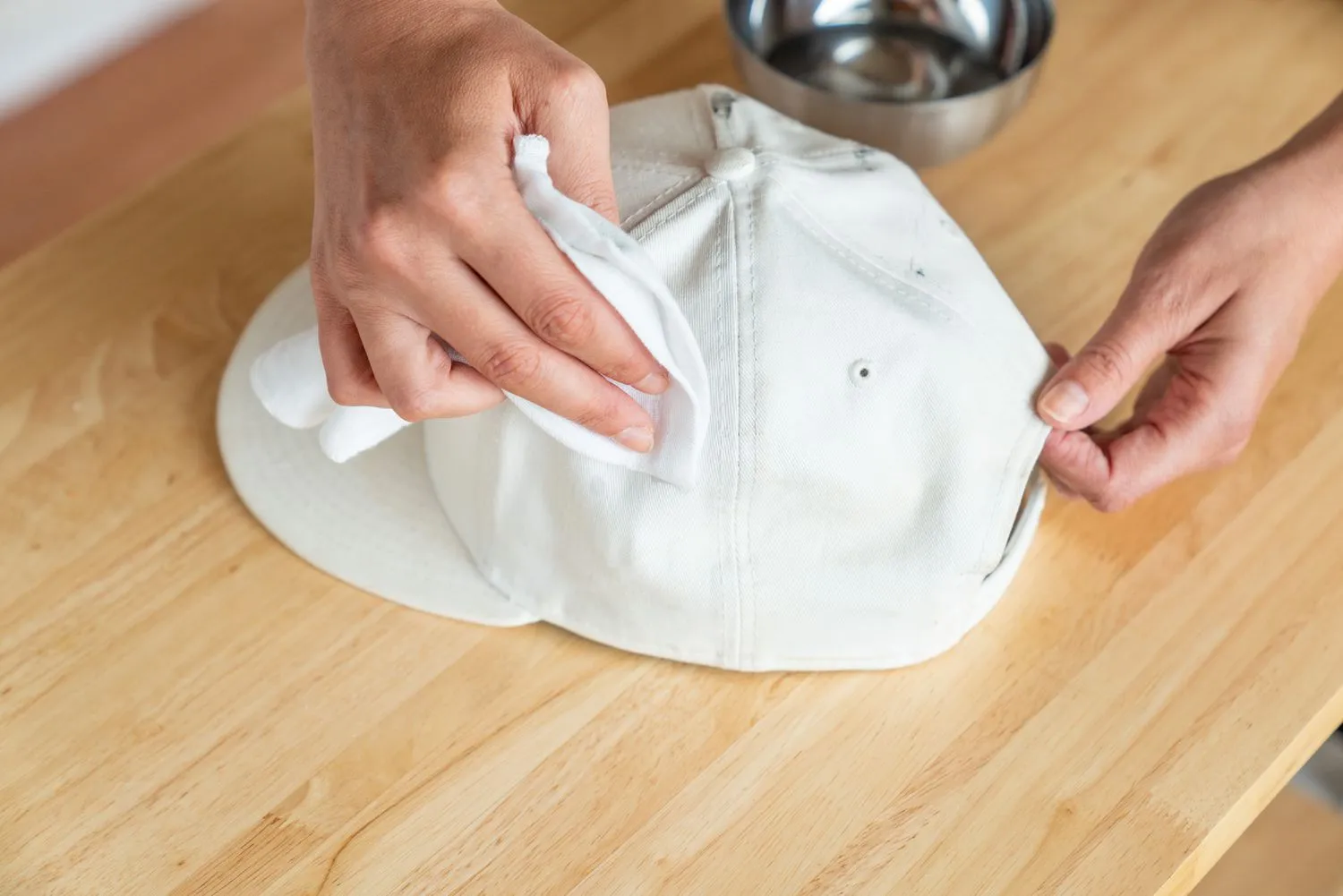
In a rush? Try these:
Loosen the strap slightly for less pressure
Tilt the cap upward and back before checking in the mirror
Style a quick low ponytail or fringe to soften the sides
These quick tricks can make a big visual impact with very little effort.
What Brands Should Check Before Ordering Custom Baseball Caps
If you are developing custom baseball caps for your brand, fit should be reviewed as carefully as color, fabric, and logo. A cap that causes side pressure or ear discomfort may affect how customers judge the product, even if the design looks great.
Before confirming bulk production, review these fit-related details:
| Checkpoint | Why It Matters |
|---|---|
| Crown depth | A crown that is too shallow or too low may create pressure around the ears. |
| Side panel structure | Stiff or narrow side panels can push too close to the ear area. |
| Sweatband fit | A tight sweatband can cause discomfort after longer wear. |
| Closure type | Snapback, strapback, Flexfit, and fitted caps offer different levels of adjustability. |
| Size range | One-size caps may not work for every target customer. |
| Brim curve | The brim angle affects how the cap sits and how the side profile looks. |
| Fabric stiffness | Softer fabrics may feel more relaxed, while structured fabrics hold shape better. |
| Worn sample review | Front, side, and back views help confirm real fit before bulk production. |
A custom cap should not only look good in product photos. It should feel comfortable, sit naturally, and match the wearing habits of your target customers.
Conclusion
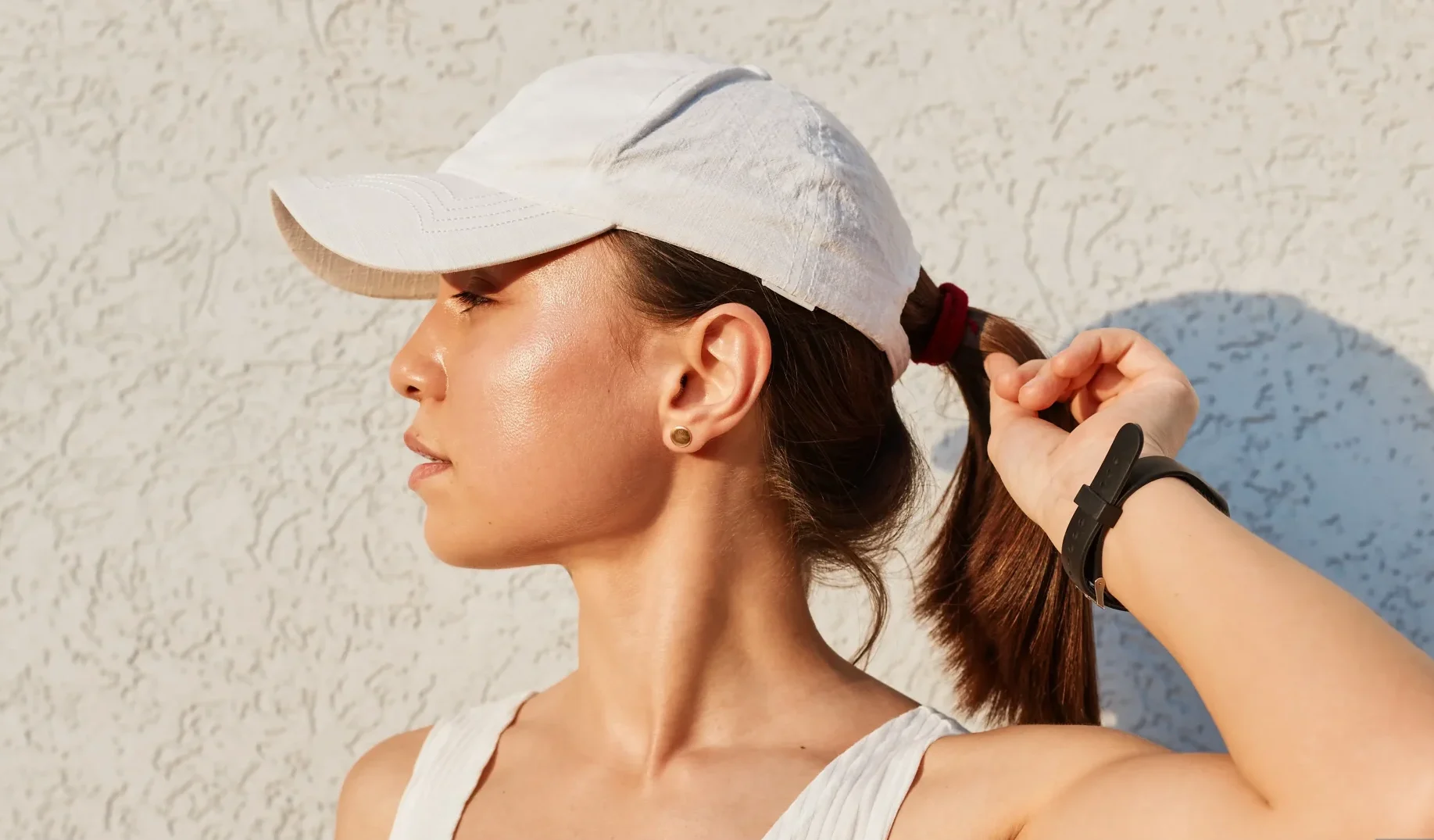
Looking for custom baseball caps that fit better, feel more comfortable, and match your brand’s target market? JoinTop helps brands develop custom baseball caps, performance hats, golf hats, snapbacks, dad hats, and lifestyle caps with fit review, fabric selection, logo customization, sample development, and bulk production support.
Share your cap style, target customer, logo method, estimated quantity, and reference design with us. Our team can help recommend suitable crown shapes, closure options, fabric structures, and sample solutions for your next custom cap project.
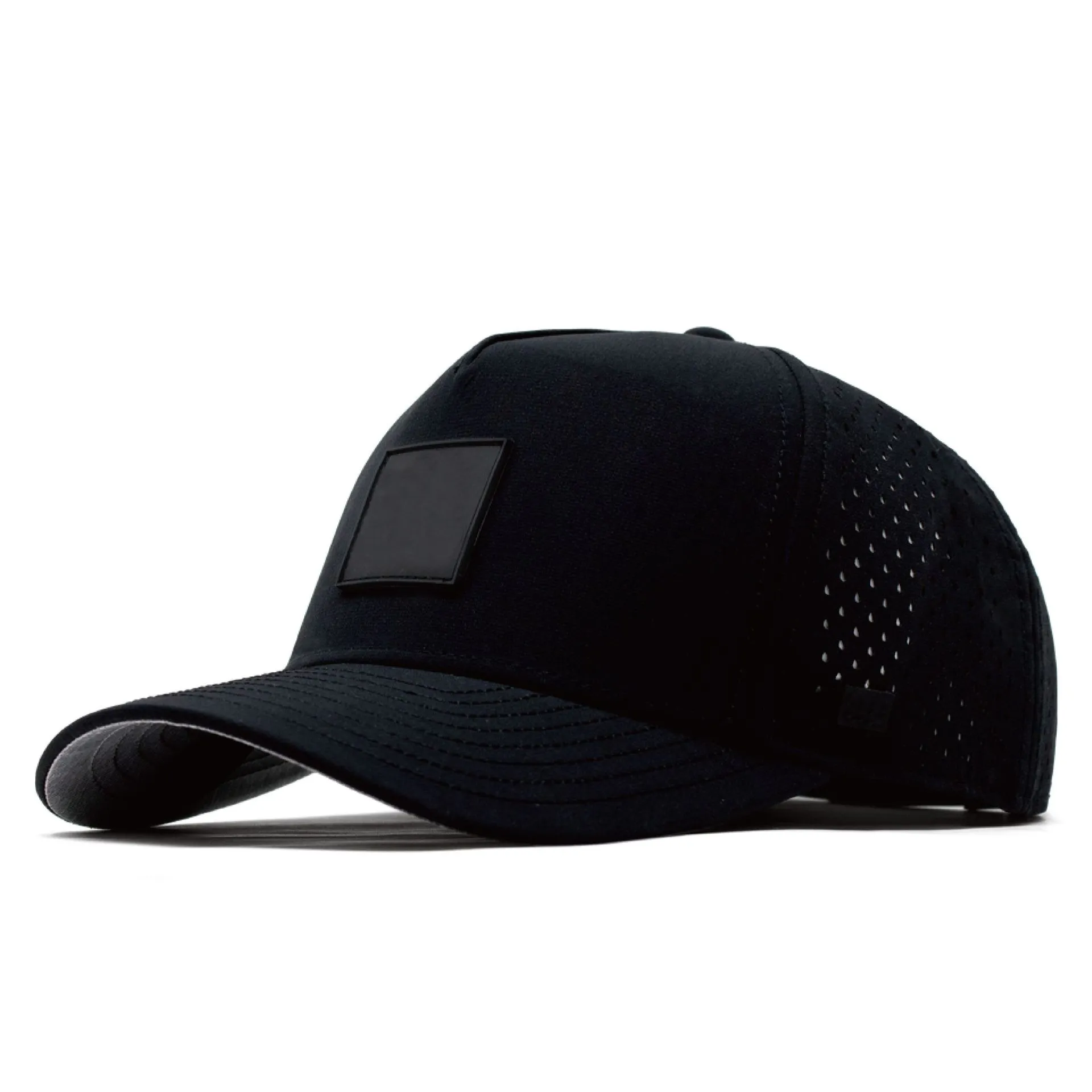

 EN
EN  ES
ES  FR
FR  AR
AR  JA
JA  KO
KO  RU
RU  DE
DE  PT
PT  IT
IT  TR
TR