

When you’re spending long hours outdoors, the wrong cap can make you sweaty, uncomfortable, or even leave you exposed to harmful UV rays. That’s why more athletes and outdoor enthusiasts are turning to waterproof sports caps with built-in breathability and sun protection. These caps are designed to handle rain, block the sun, and keep your head cool all at once.
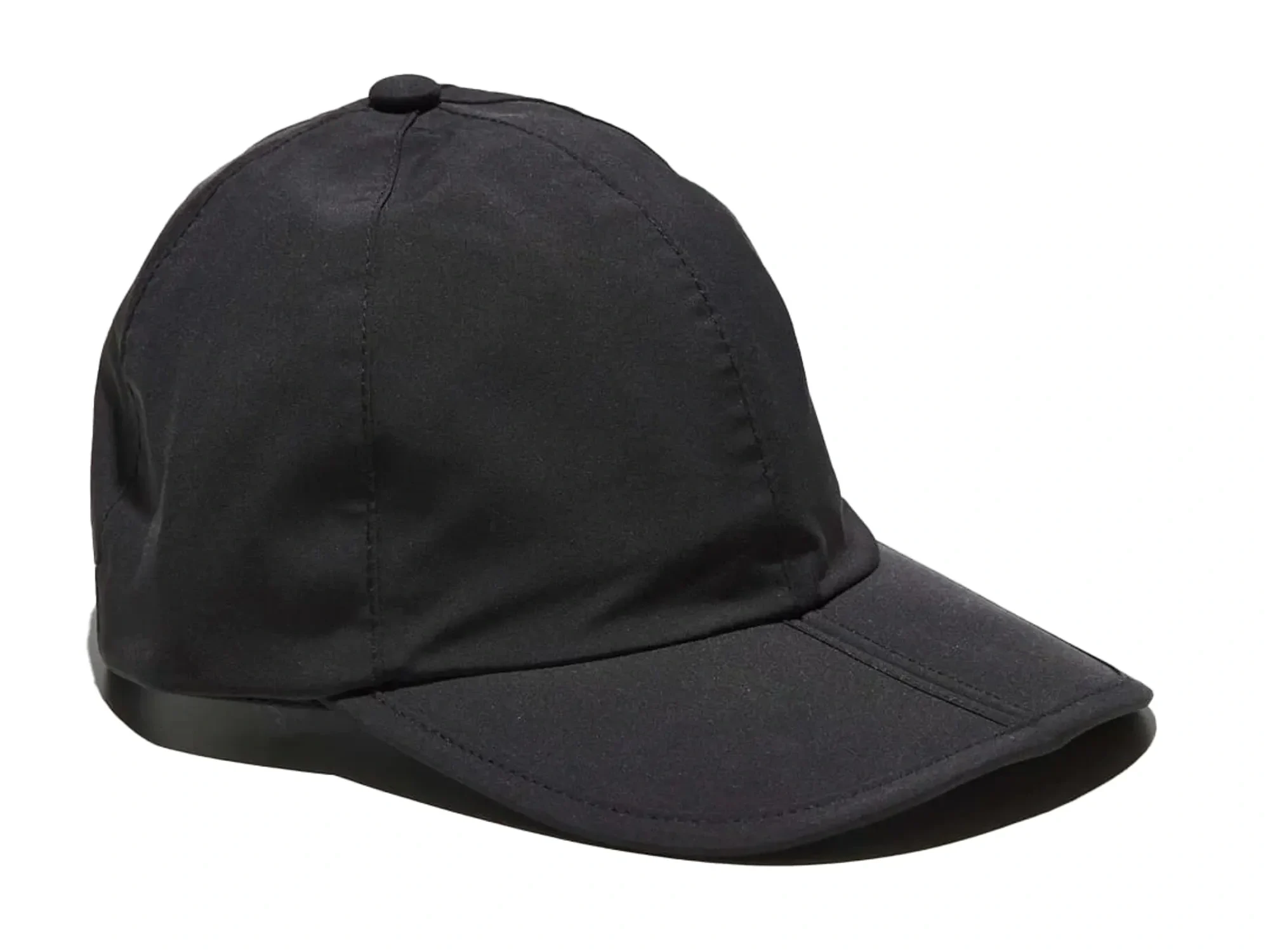
In this guide, we’ll show you exactly how to ensure breathability in waterproof caps without giving up comfort or UV protection. From the fabrics and membranes used, to smart construction details and care tips, you’ll learn what separates an average cap from one that truly performs on the trail, the field, or the golf course.
Define the Goal: Dry, Cool, Sun-Safe
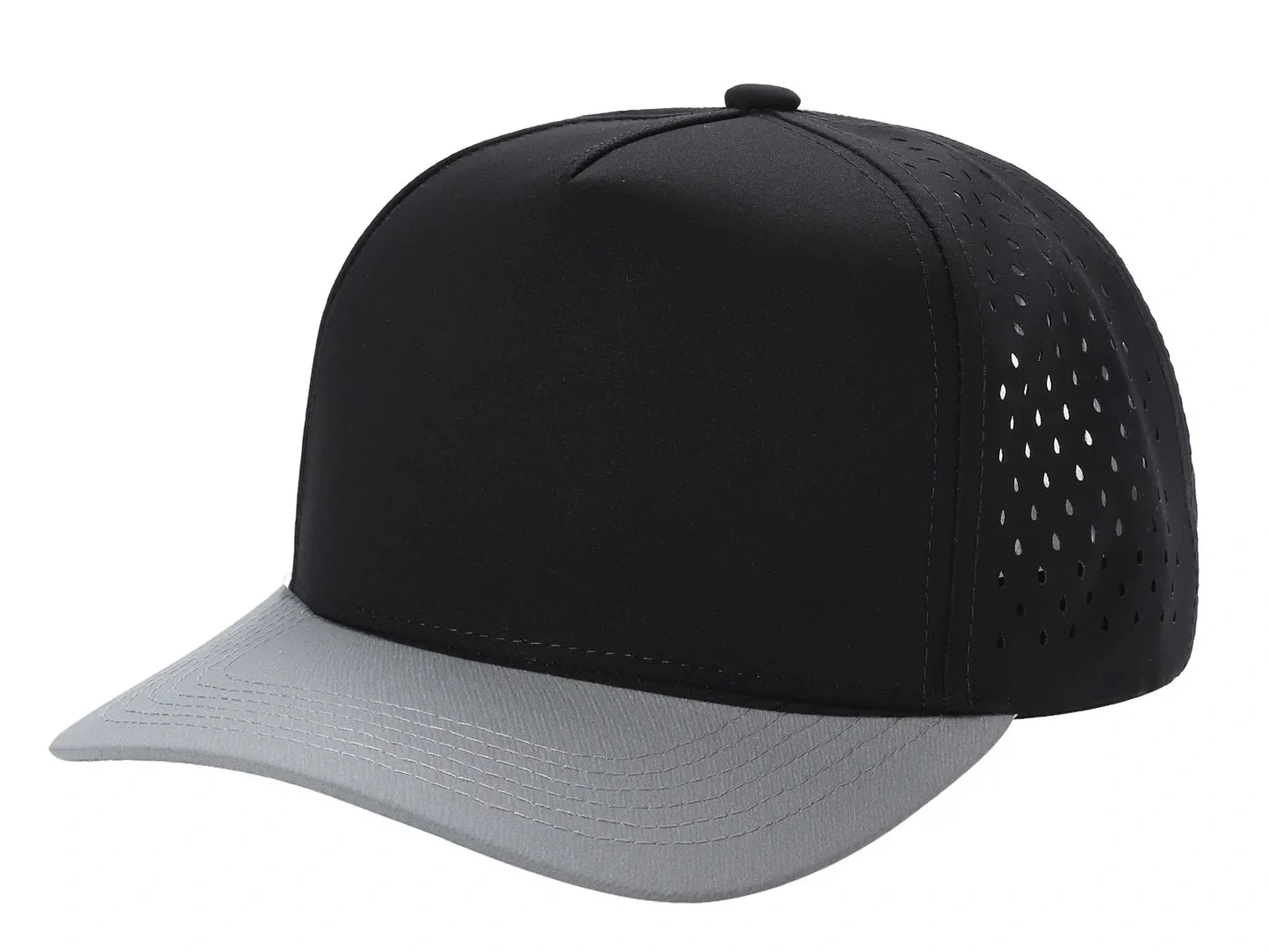
When you’re active outdoors, your cap needs to do three jobs at once: keep you dry in the rain, protect you from harmful UV rays, and let heat escape so you stay comfortable. That’s where the balance of waterproof, UV protection, and breathability comes in. A well-designed cap prevents sweat build-up, shields your skin, and helps you perform without distractions.
Waterproof vs. water-resistant matters here.
Waterproof means the fabric uses a barrier (like a membrane with sealed seams) that blocks rain completely.
Water-resistant means it has only a coating, enough for light drizzle but not steady rain.
For UV defense, look for caps labeled UPF 50+. This rating blocks about 98% of the sun’s rays, giving you all-day protection during sports, hiking, or fishing.
Fabric & Membrane Essentials
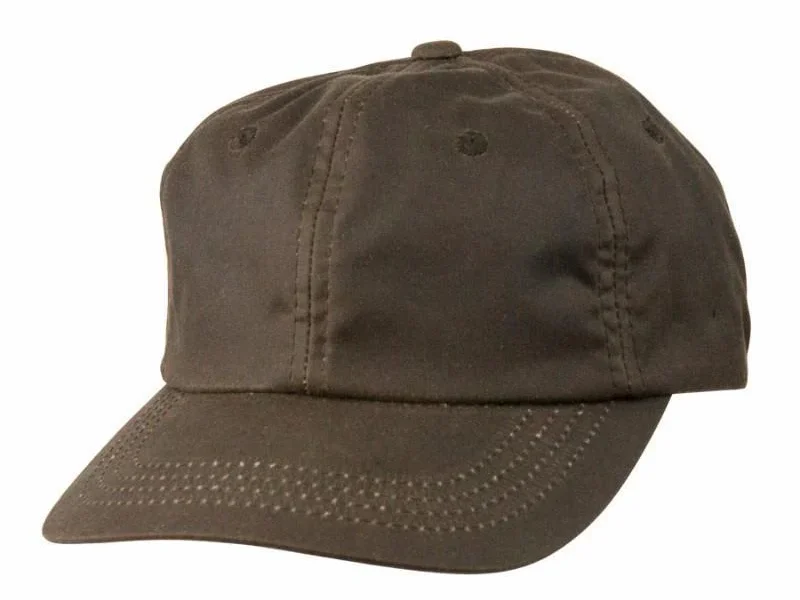
The right fabric is what makes a waterproof cap truly breathable. Most high-performance caps use nylon or polyester blends treated with a durable water repellent (DWR) finish. This helps water bead up and roll off instead of soaking in, which keeps the fabric light and effective.
To stop rain from seeping through, these fabrics are paired with a waterproof-breathable membrane like ePTFE or polyurethane (PU). The tiny pores in these membranes block liquid water but allow sweat vapor to escape, so your head stays dry without overheating.
Nylon/poly blends: strong, lightweight, and quick-drying.
DWR finish: sheds water on the outer surface.
ePTFE/PU membranes: waterproof barrier that still breathes.
For the best comfort, look for 3-layer laminates. These combine:
An outer fabric for durability.
A middle waterproof-breathable membrane.
A soft inner liner that wicks sweat away from your skin.
This 3-layer build adds structure and makes the cap more comfortable for long wear, especially in active sports or hot climates.
Construction That Breathes Without Leaks

A waterproof cap is only as good as its construction. Even the best fabric won’t help if the seams or vents let water in. That’s why high-quality caps use seam-taped panels. Taping seals tiny stitch holes, making sure rain stays out while still letting the fabric breathe.
Breathability also depends on smart venting. Instead of open mesh, brands often add laser-cut perforations or hidden vents under the brim or at the back. These areas are shielded from direct rain, so you get airflow without leaks.
Seam-taped panels: block water at stitching points.
Laser perforations/hidden vents: allow airflow in protected spots.
Moisture-wicking sweatband: pulls vapor off skin to speed evaporation.
Inside the cap, a moisture-wicking sweatband is just as important. It quickly moves sweat away, helping the membrane release vapor more efficiently. This keeps your head cooler and stops sweat from pooling during intense activity.
Sun-First Design Details

When it comes to waterproof sports caps, sun protection is just as important as staying dry. A cap with the right design details helps block glare, shield your face, and reduce the risk of sunburn. A longer curved brim offers extra shade, while a neck flap can cover sensitive skin at the back. Many performance caps also use a darker under-brim to cut glare and improve visibility in bright conditions.
For fabric, choose materials that are UPF-rated. A rating of UPF 50+ blocks nearly all harmful UV rays, making it the gold standard for outdoor gear. Avoid using mesh panels in areas with direct sun exposure, unless they are backed with a shielded layer. This ensures airflow without sacrificing protection.
Longer curved brim: extra shade for eyes and face
Optional neck flap: protects the back of your neck
Darker under-brim: reduces glare in bright sun
UPF-rated fabric: ensures reliable UV protection
Choose by Sport & Climate
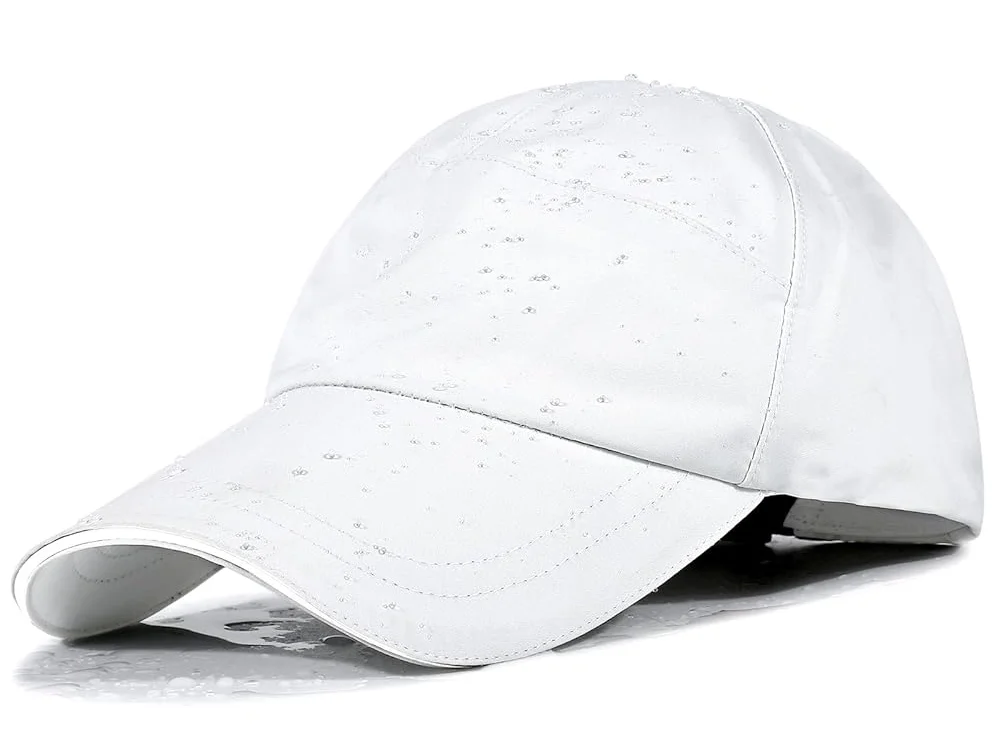
Not every waterproof cap works the same in all conditions. The right choice depends on the sport you play and the climate you face. If you run or train in humid weather, you need maximum airflow to prevent overheating. In contrast, if you golf or hike in windy rain, stronger waterproofing and UV coverage matter more than airflow.
For best results, think about your activity first:
Humid or high-output sports (running, cycling, trail training)
Choose caps with air-permeable membranes and strategic vents. These help release heat and sweat quickly while keeping light rain out.Cool, windy, or steady rain conditions (hiking, fishing, golf)
Look for seam-taped waterproof fabrics with strong UPF protection. A structured brim and extended coverage shield you from both rain and UV.
This way, your cap won’t just protect you—it will match the pace and environment of your sport.
Quick Buying Checklist
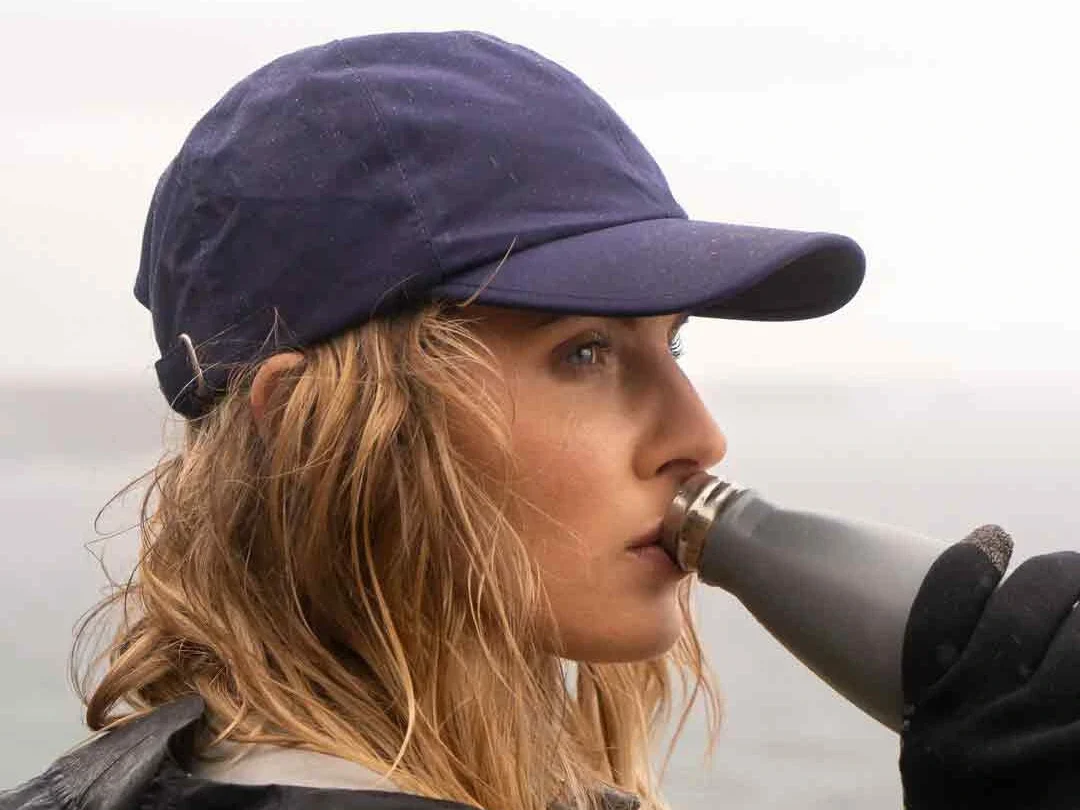
When you’re choosing a waterproof cap with UV protection, it helps to know exactly what to look for. The right features make the difference between a cap that just looks sporty and one that truly performs outdoors.
Here’s a simple checklist to guide you:
Waterproof-breathable membrane – keeps rain out while letting sweat vapor escape.
Seam-taped panels – stop water from sneaking in at stitching points.
UPF 50+ rating – blocks up to 98% of harmful UV rays.
Durable Water Repellent (DWR) finish – helps water bead up and roll off.
Moisture-wicking sweatband or liner – moves sweat away for comfort.
Protected vents – allow airflow without sacrificing waterproofing.
If a cap includes most or all of these features, you can be confident it will deliver both breathability and sun safety for your next adventure.
Care to Keep It Breathing & Sun-Safe

A waterproof cap with UV protection only works well if you take care of it. Dirt, sweat, and sun exposure can weaken both the waterproofing and the UPF rating over time. A little maintenance goes a long way in keeping your cap comfortable and protective.
Here’s how to extend its life:
Wash regularly – remove sweat, oil, and dirt that block breathability.
Restore DWR coating – reapply spray or wash-in treatments when water stops beading.
Skip fabric softeners – they clog the waterproof membrane.
Check UPF rating – prolonged harsh sun or high heat can lower UV protection.
Air dry – avoid hot dryers, which damage coatings and fabrics.
By following these simple steps, your cap will stay waterproof, breathable, and sun-safe for many seasons of outdoor use.
Ready to Get Started?
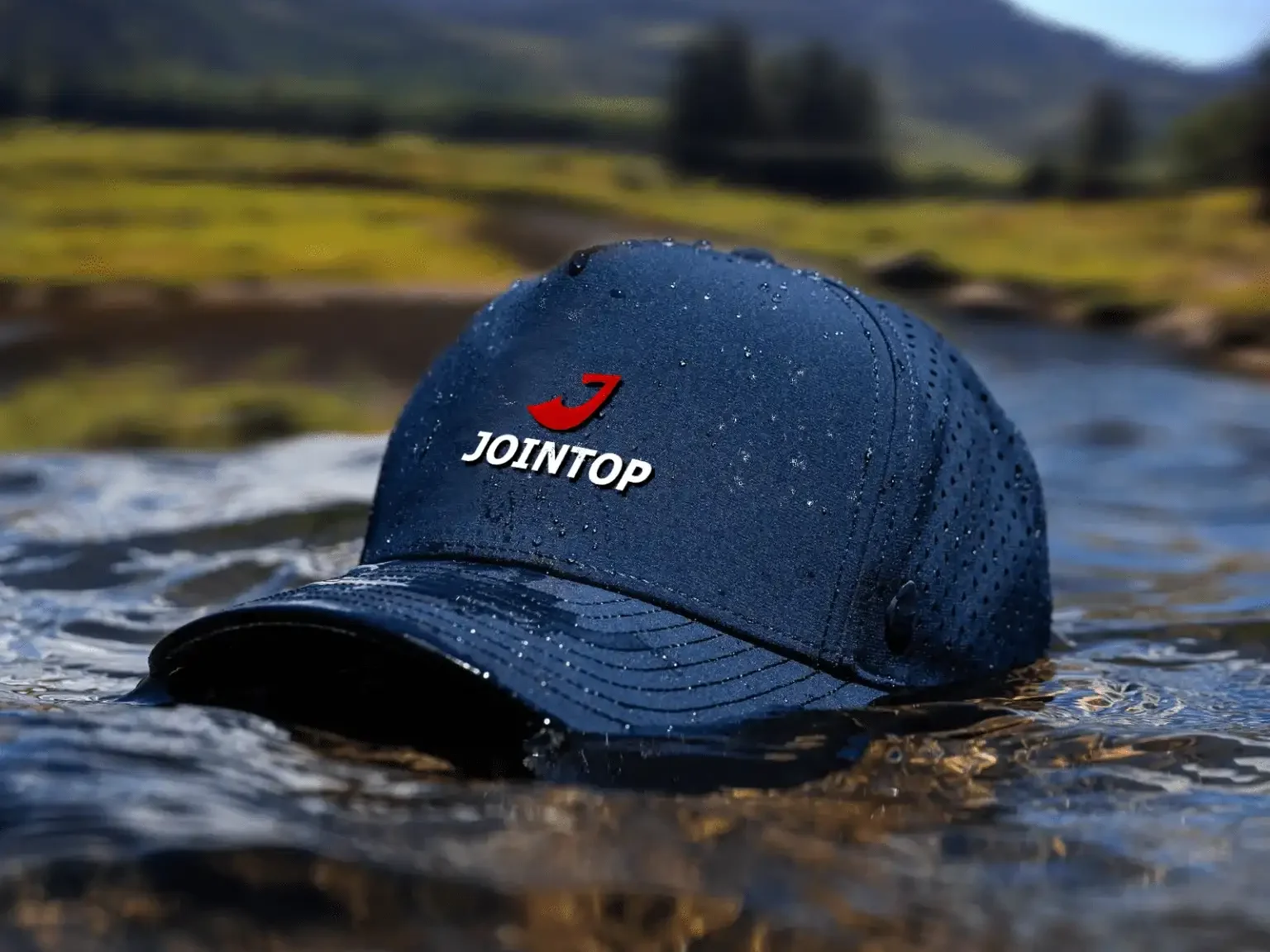
Design custom waterproof sports caps that stay breathable and sun-safe. Choose fabrics with DWR finishes, waterproof-breathable membranes, and UPF 50+ protection. Add smart touches like seam-taped panels, protected vents, and sweat-wicking liners for all-day comfort.
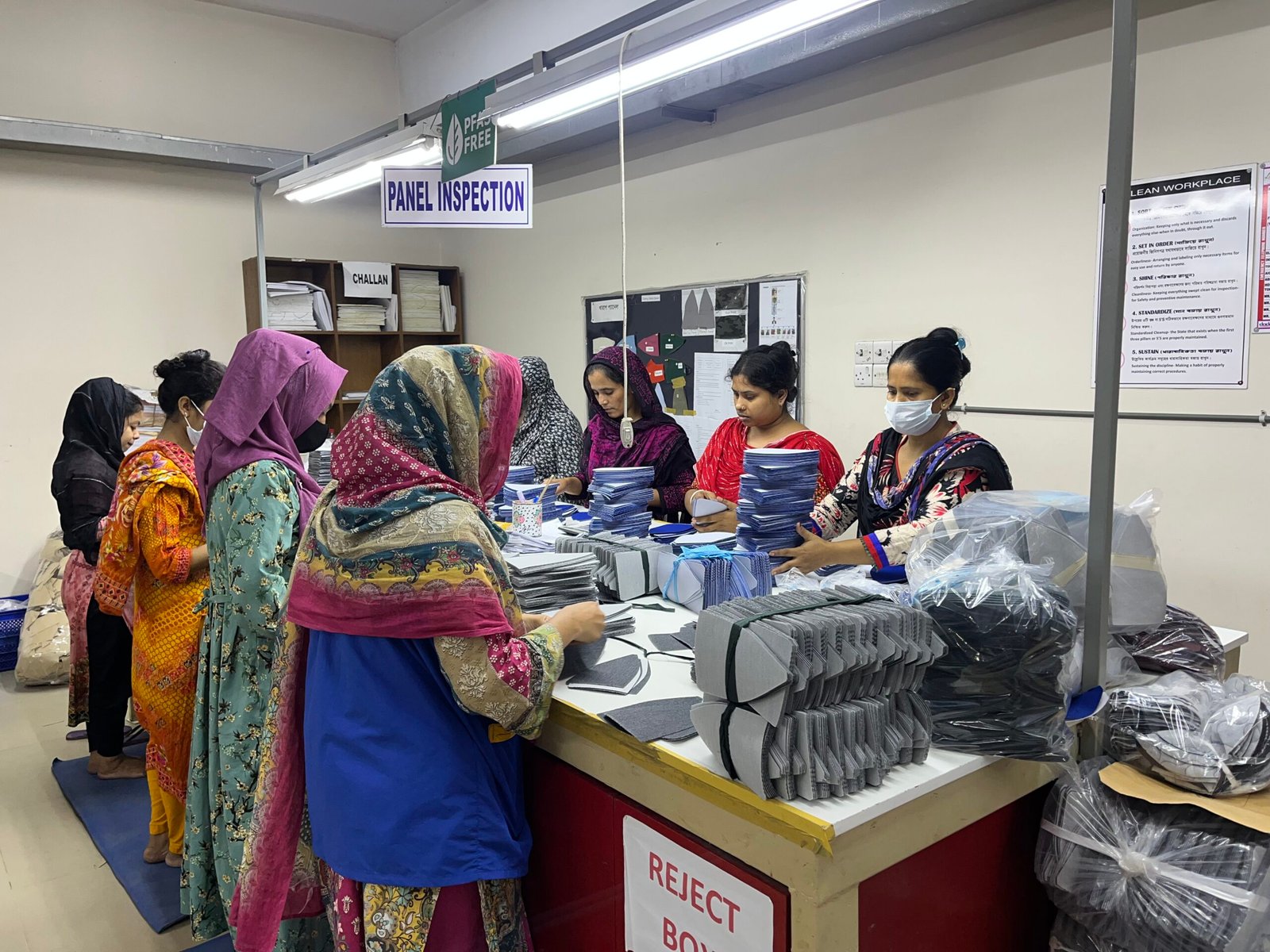
At JoinTop, we offer OEM/ODM support with partner factories in China, Bangladesh, and Vietnam. Enjoy fast sampling, fair pricing, and flexible orders. Contact us today to request swatches, explore styles, and start your custom breathable waterproof cap project.
 EN
EN  ES
ES  FR
FR  AR
AR  JA
JA  KO
KO  RU
RU  DE
DE  PT
PT  IT
IT  TR
TR