

When you’re headed to court, one of the first things you need to think about is courtroom etiquette. It’s not just about what you say, but also about how you present yourself.
Dressing appropriately shows respect for the legal system, the judge, and everyone involved in the case. Your appearance can even influence how people perceive you during the proceedings.

Now, you might be wondering, can you wear a hat in court? This is a common question that many people ask before stepping into the courtroom. The answer isn’t as simple as a “yes” or “no.” Several factors come into play, like the judge’s preferences, security concerns, and even cultural or religious considerations.
Let’s dive into these factors and get some clarity on the matter.
Courtroom Etiquette: Respect for the Legal Process
Overview of Courtroom Formalities
Courtrooms are places of great formality and solemnity. When you walk in, you’re entering a space where justice is being served, and it’s essential to respect the process.
One of the easiest ways to show this respect is through your attire. How you dress communicates a lot about your attitude toward the situation.
For example, showing up in casual clothes or, worse, in an outfit that includes something inappropriate like a hat, might signal to others that you’re not taking the proceedings seriously.
It’s not just about the clothes, but the whole presentation. This includes your accessories, which play a role in nonverbal communication.
Wearing a hat in court could suggest a lack of respect, especially if it’s seen as distracting or out of place. While some might see it as just a style choice, in a courtroom, every little detail matters, and your attire says more than words ever could.
Judicial Discretion: The Role of the Judge
Judge’s Authority
When it comes to wearing a hat in court, one of the biggest factors that will determine if it’s allowed is the judge’s discretion. Each judge has their own set of rules or expectations regarding courtroom behavior, and attire falls under this.

Some judges might have a more lenient attitude, allowing hats in certain circumstances. Others may insist that they be removed to maintain decorum and focus in the courtroom.
Different Courtroom Norms
Courtroom norms can vary, not just from judge to judge, but from jurisdiction to jurisdiction. A courtroom in one state or city might have different rules compared to another. What’s perfectly fine in one court might be considered disrespectful in another.
So, before you decide to wear a hat, it’s essential to consider where you’re going and check out the specific courtroom rules if possible. This can save you from a situation where you might be asked to remove the hat or, worse, be sent out of the room for not following the dress code.
In summary, when in doubt, it’s always best to err on the side of caution and leave the hat at home unless it’s part of a religious or cultural practice that the court will accommodate.
Security Concerns: Why Hats Are Often Banned
Potential Security Risks
In many courtrooms, wearing a hat is discouraged or outright banned, and the reason often comes down to security concerns. Courtrooms are places where security is a top priority. A hat might seem harmless, but it can potentially conceal important details, like a person’s identity or even dangerous items.

For instance, hats can cover facial features, making it harder for security to clearly identify individuals. Additionally, in extreme cases, hats could hide weapons or other objects that pose a security risk.
For these reasons, many courts have strict rules about removing hats as part of their security protocols. It’s not about fashion or making people uncomfortable—it’s about making sure everyone in the courtroom is safe and accounted for.
So, if you’re planning to attend a court session, be prepared to follow these security guidelines and remove your hat before entering the courtroom.
Courtroom Safety Protocols
In addition to individual security measures, courtroom safety protocols are designed to ensure that everyone in the courtroom follows the same rules.
This often includes security screenings at the entrance, where visitors, jurors, and even legal professionals are asked to remove hats, jackets, or other potentially concealing items.
This is a standard procedure that helps ensure that no one is bringing in anything that could disrupt or endanger the proceedings.
Remember, this is just part of keeping the legal process orderly and safe. Even though a hat might feel like a small detail, it’s one of many things courts use to maintain a secure and professional environment.
So, if you’re headed to court, be ready to cooperate with these security protocols to avoid unnecessary delays or complications.
If you are looking for more general guidance on courtroom attire, you may want to read article about Court Etiquette: How to Dress for Your Day in Court
Religious and Cultural Considerations: When Hats Are Allowed
Respect for Cultural and Religious Practices
While the general rule is to remove hats in court, there are exceptions, particularly for individuals who wear hats for religious or cultural reasons.
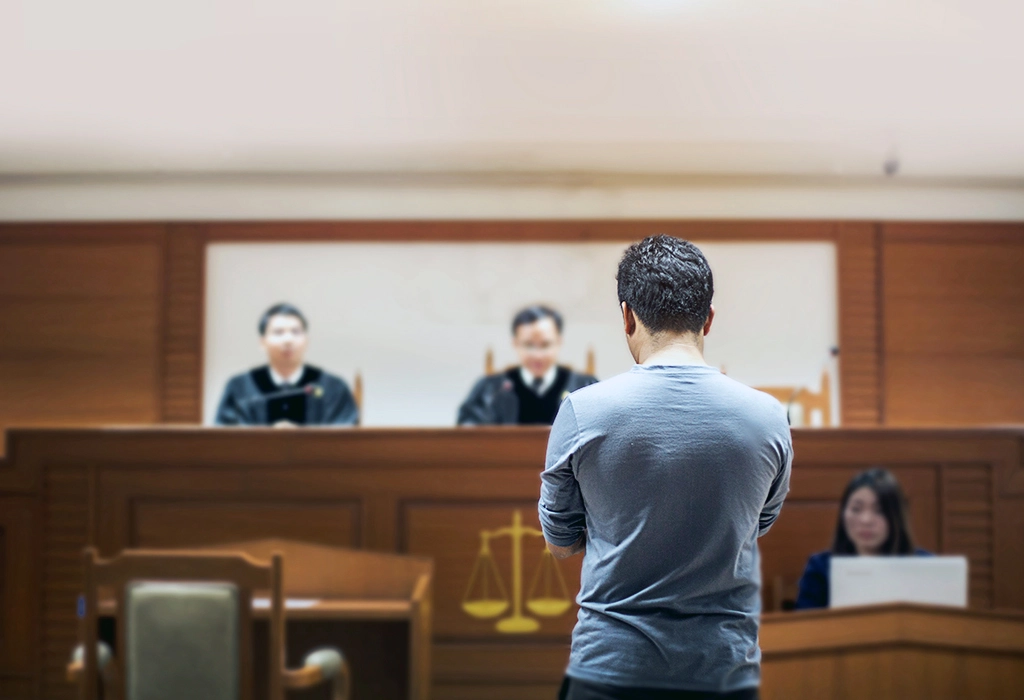
For example, individuals who wear turbans, yarmulkes, or other head coverings as part of their faith traditions are generally allowed to keep their hats on during court proceedings.
Courts are usually respectful of these practices and make allowances, understanding that these head coverings are an important part of someone’s religious or cultural identity.
However, it’s essential to note that these exceptions don’t always apply universally in every courtroom. Some courts may require prior notification or specific procedures to ensure that the cultural or religious reason is understood and accommodated properly.
Steps to Take
If you plan on wearing a religious hat to court, it’s a good idea to notify the court in advance. This can usually be done through your lawyer, or you can contact the court directly to request permission for wearing the hat.
By doing so, you can ensure that your cultural or religious attire doesn’t interfere with the legal process or disrupt the proceedings. It’s best to be proactive and have these discussions before your appearance, rather than risk facing unnecessary complications when you arrive.
Always remember that while most courts will allow for religious exceptions, clear communication is key. Preemptively addressing the issue with the court will help everyone involved avoid misunderstandings and keep the focus on the case at hand.
Guidelines for Legal Professionals and Jurors
Legal Professionals
You may be wondering, can legal professionals wear hats in court? The answer depends on the court and its specific rules. Generally speaking, attorneys and judges are expected to follow the same professional standards as everyone else when it comes to courtroom attire.
Judges, however, are typically not required to remove hats unless they are involved in a specific security screening or have personal preferences against it.
For attorneys, some courts might allow hats in the courtroom under certain conditions, particularly if the attorney has a medical need or cultural reason to wear one.
However, the rule of thumb for legal professionals is to dress conservatively and professionally, which typically means no hats unless they have prior approval from the court.
Jurors
When it comes to jurors, the situation is a bit different. Jurors are generally required to remove hats during trials. This is done to maintain a sense of neutrality and professionalism during the proceedings.
Jurors need to focus on the case at hand without distractions, and having hats on could potentially disrupt this. It’s also a matter of fairness and equality—everyone in the jury should be treated the same, and wearing hats could create the perception of favoritism or bias.
If you’re a juror, you’ll likely be asked to remove your hat when you enter the courtroom or when the trial begins. While this may seem like a small request, it’s part of ensuring that the trial proceeds smoothly and that all participants are on equal footing.
What Happens if You Wear a Hat: Possible Consequences
Removal of Hat on Request
If you walk into a courtroom wearing a hat, be prepared for the possibility of having to remove it. Most likely, a court officer or even the judge will ask you to take it off, either as soon as you enter or during the proceedings.

This is a standard request made to ensure decorum and professionalism in the courtroom. Courts typically have strict rules about appropriate attire, and hats often do not fit those guidelines.
When you’re asked to remove your hat, it’s important to comply politely. It’s not about being singled out—it’s just part of maintaining the serious atmosphere that courts require.
Some people might feel embarrassed or frustrated, but remember that these rules are in place to show respect for the legal process and those involved.
Consequences of Defiance
But what happens if you refuse to take your hat off when asked? In some cases, you could be held in contempt of court. Contempt is when someone disrespects or disobeys the rules of the court, whether it’s through disruptive behavior or defiance.
Ignoring a direct instruction from the judge or courtroom officer can have serious consequences, including fines or even jail time.
While you may not intend any disrespect by wearing your hat, refusing to follow the court’s requests can be seen as a violation of authority. If you find yourself in this situation, it’s best to follow the judge’s instructions to avoid escalating things.
Perceptions of Disrespect
Wearing a hat in court can also affect how you are perceived. Courts are formal environments where respect is paramount.
A judge or jury might see your decision to wear a hat as a sign of disrespect toward the court or the proceedings, especially if you refuse to remove it when asked. This perception could impact how people view your case, making it harder to establish a professional image.
It’s crucial to understand that in court, every detail counts—even something as small as your attire.
By showing respect for the court’s norms, you’re more likely to gain credibility and maintain a serious demeanor in the eyes of the judge and jury. Appearances matter, and in a courtroom, you want to do everything you can to show you’re taking the process seriously.
Alternatives and Best Practices
Erring on the Side of Caution
If you’re unsure about whether wearing a hat is acceptable in court, it’s always best to err on the side of caution. In most cases, it’s safest to avoid wearing a hat altogether.

Courts have specific dress codes, and unless you know for certain that a hat is allowed, it’s easier to simply leave it at home.
Even if you plan to wear a hat for fashion reasons or because it’s part of your outfit, taking it off before entering the courtroom can save you from the embarrassment or hassle of being asked to remove it.
Checking the court’s dress code beforehand can also be a smart move. Some courts may allow hats for certain individuals or in particular situations, so knowing the rules in advance helps you be prepared.
What to Do If You Must Wear a Hat
If wearing a hat is necessary for you due to religious or cultural reasons, there are steps you can take to make sure you’re still in compliance with the courtroom’s expectations.
First, notify the court ahead of time. If your head covering is essential to your beliefs, it’s important to inform the court before the day of your appearance. Most courts will make reasonable accommodations to respect religious practices—but they will appreciate being notified in advance.
You can contact the court clerk or your attorney and let them know you need to wear a hat. They will guide you through the process and make sure you have the necessary permissions. Taking this proactive step shows that you’re respectful of the court’s rules while still honoring your beliefs.
In addition, if your hat is part of a religious dress code (like a turban or yarmulke), be prepared to explain that it’s required by your faith. Courts are generally very understanding of such circumstances, as long as the hat doesn’t interfere with the trial proceedings.
Conclusion
In summary, the question of whether you can wear a hat in court depends on several factors. Courtroom rules can vary, and security concerns, cultural considerations, and judge’s discretion all play a role.

However, the most important thing to remember is that respect for the legal process is crucial. Whether you’re attending court as a juror, a legal professional, or a defendant, your attire should demonstrate that you take the process seriously.
If you’re unsure about wearing a hat, it’s always a good idea to check the court’s guidelines or simply avoid wearing one.
For those who need to wear a hat for religious or cultural reasons, notifying the court in advance is the best practice. This ensures that you’re following the rules while also respecting your personal beliefs.
At the end of the day, the goal is to maintain a professional and respectful demeanor in the courtroom. When you follow the guidelines and show respect for the court, you’ll be able to focus on what matters most—the case at hand.



 EN
EN  ES
ES  FR
FR  AR
AR  JA
JA  KO
KO  RU
RU  DE
DE  PT
PT  IT
IT  TR
TR