
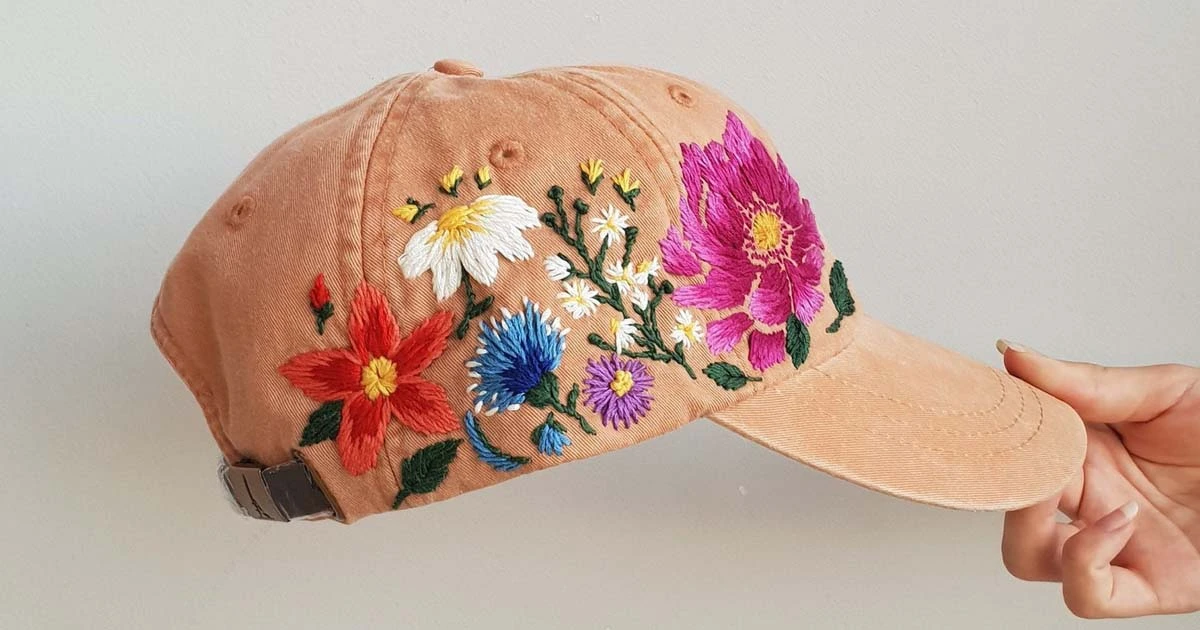
Custom embroidered caps have become a go-to choice for brands, teams, and events that want to stand out. Whether you need just a few pieces for a local promotion or a full overseas order for retail, understanding how these caps are made—and what impacts the minimum order quantity (MOQ)—is essential.
In this guide, we’ll walk you through the full process, from artwork and embroidery methods to manufacturing steps, lead times, and pricing factors. You’ll also get a practical RFQ checklist to help you request accurate quotes. By the end, you’ll know exactly how to plan your project and avoid the common surprises that slow new cap programs down.For a quick overview of options, see cap customization.
Scope & Model Choice (sets your MOQ/lead time)
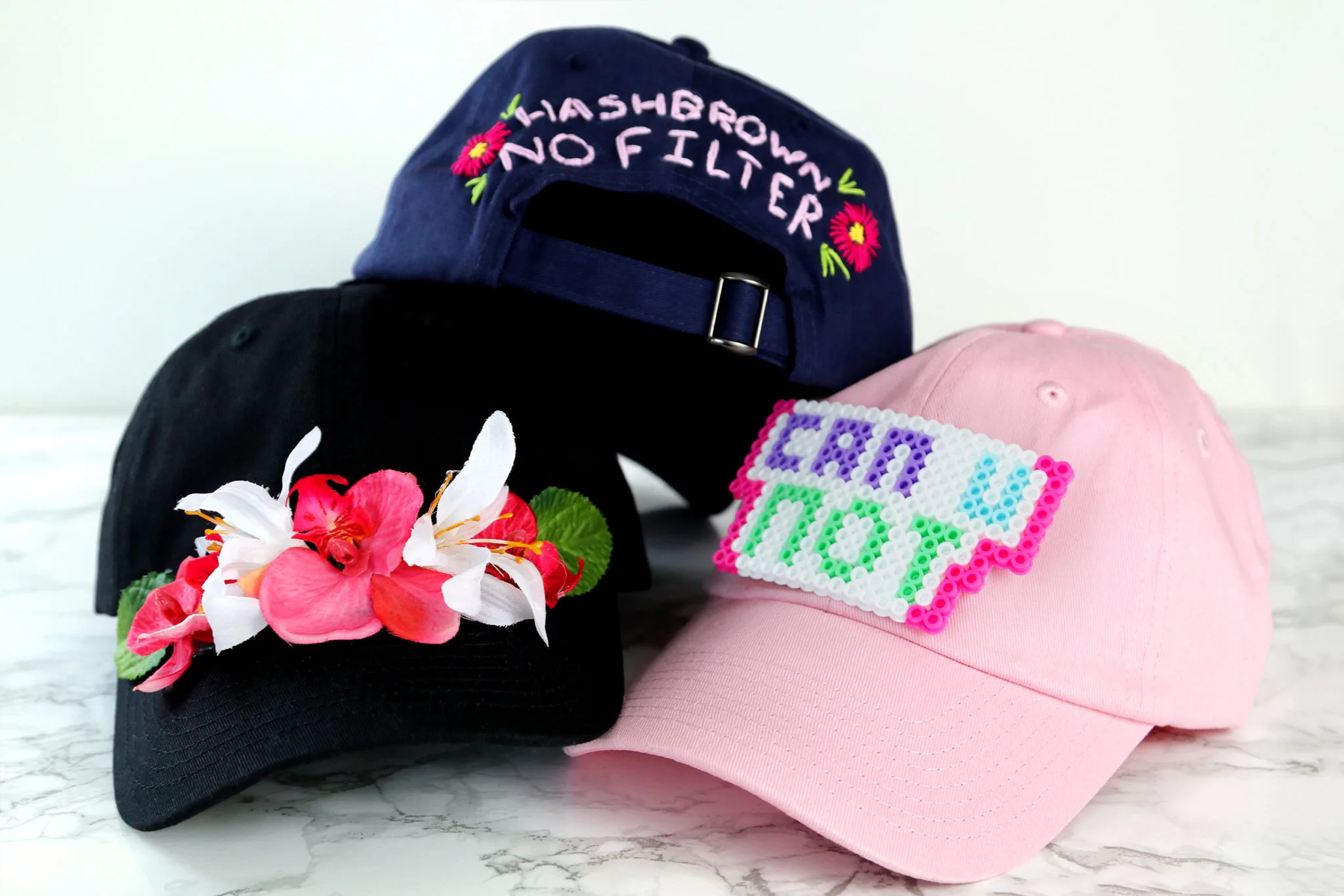
When it comes to custom embroidered caps, the first choice is whether you’ll decorate ready-made blanks or go for full custom manufacturing. This decision directly affects both your minimum order quantity (MOQ) and lead time.
Stock blanks + embroidery – This route is the fastest and most flexible. You order existing cap models from suppliers, then add your logo or design through embroidery. It works well for small runs, promotional events, or testing a new brand. MOQs can be very low, sometimes as little as a few dozen pieces.
Full-custom/OEM caps – With this option, every part of the cap is built to spec, from fabrics and closures to trims and labels. It gives you maximum creative control and brand identity. The trade-off is a higher MOQ, usually in the hundreds, and longer production lead times. This model is best suited for established brands or retail programs.
Embroidery Methods & Limits (choose by logo & budget)
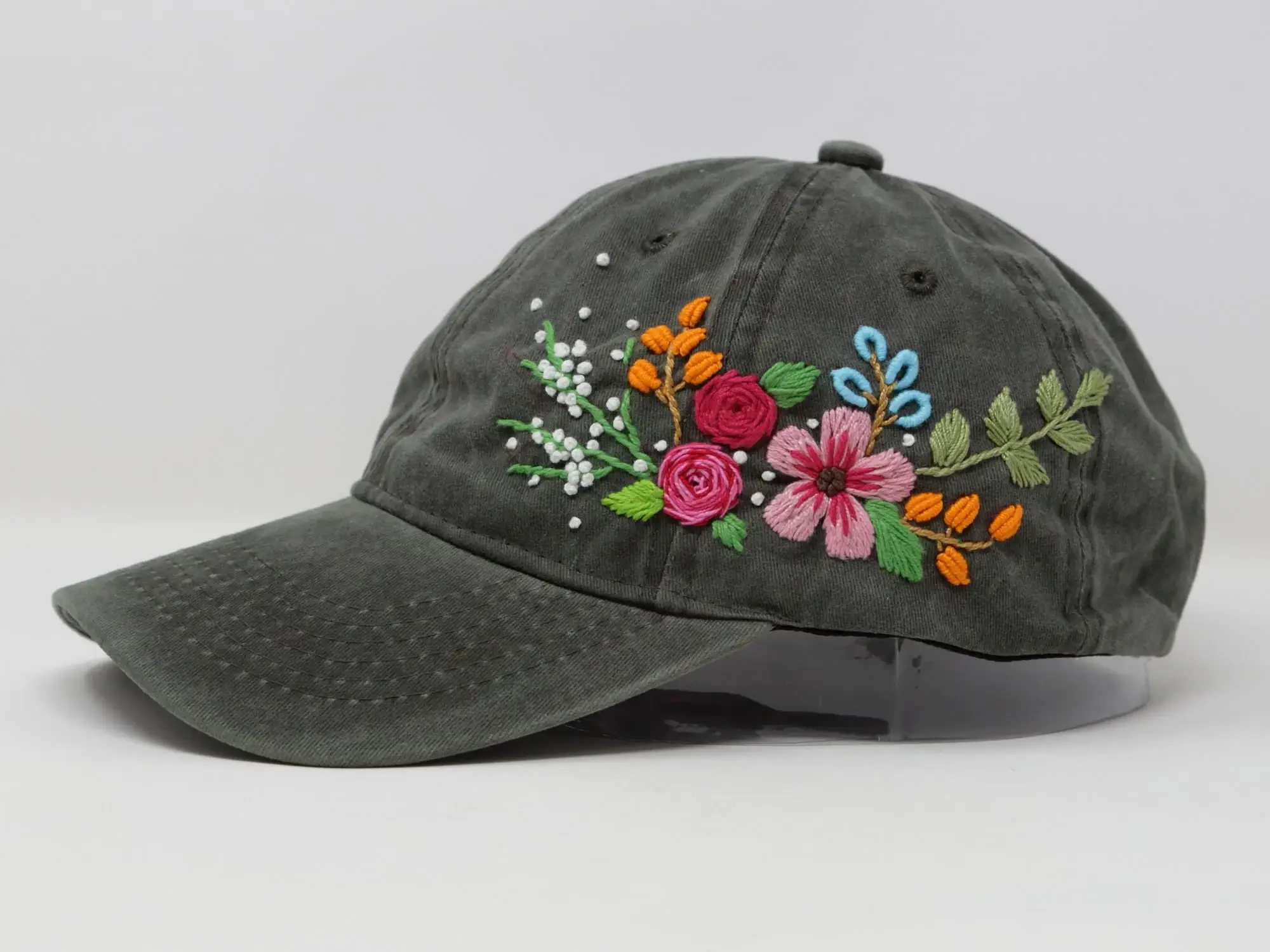
Not every embroidery style works the same. Picking the right method depends on your logo design, budget, and how much detail you want to show.
Flat embroidery – This is the most common option. The stitches lie flat against the cap fabric, making it versatile and cost-effective. It works well for clean, detailed logos.For method pros and cons by design type, see embroidery vs screen printing.
3D or puff embroidery – This adds foam under the stitching for a raised look. It gives logos extra depth but takes more time to run, which can increase cost.
Placement also matters. Most caps allow decoration on the front, side, or back panels. Keep in mind that structured fronts often limit logo height to about two inches.For how crown structure affects logo area, see structured vs unstructured hats. Staying within these limits ensures your design sews cleanly without distortion.
Manufacturing + Embroidery Workflow
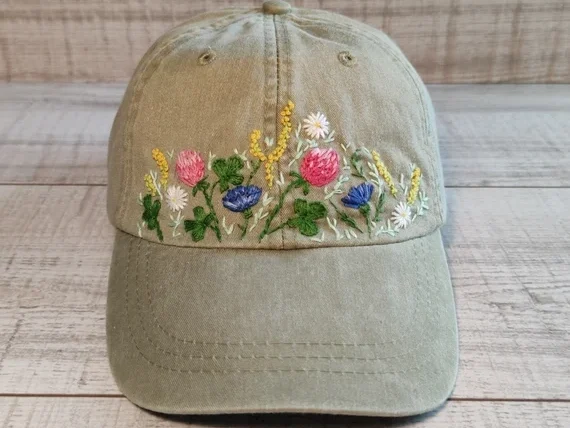
Understanding how caps are built and embroidered helps you see why MOQs and timelines vary. Each step adds detail, from base construction to final stitching.
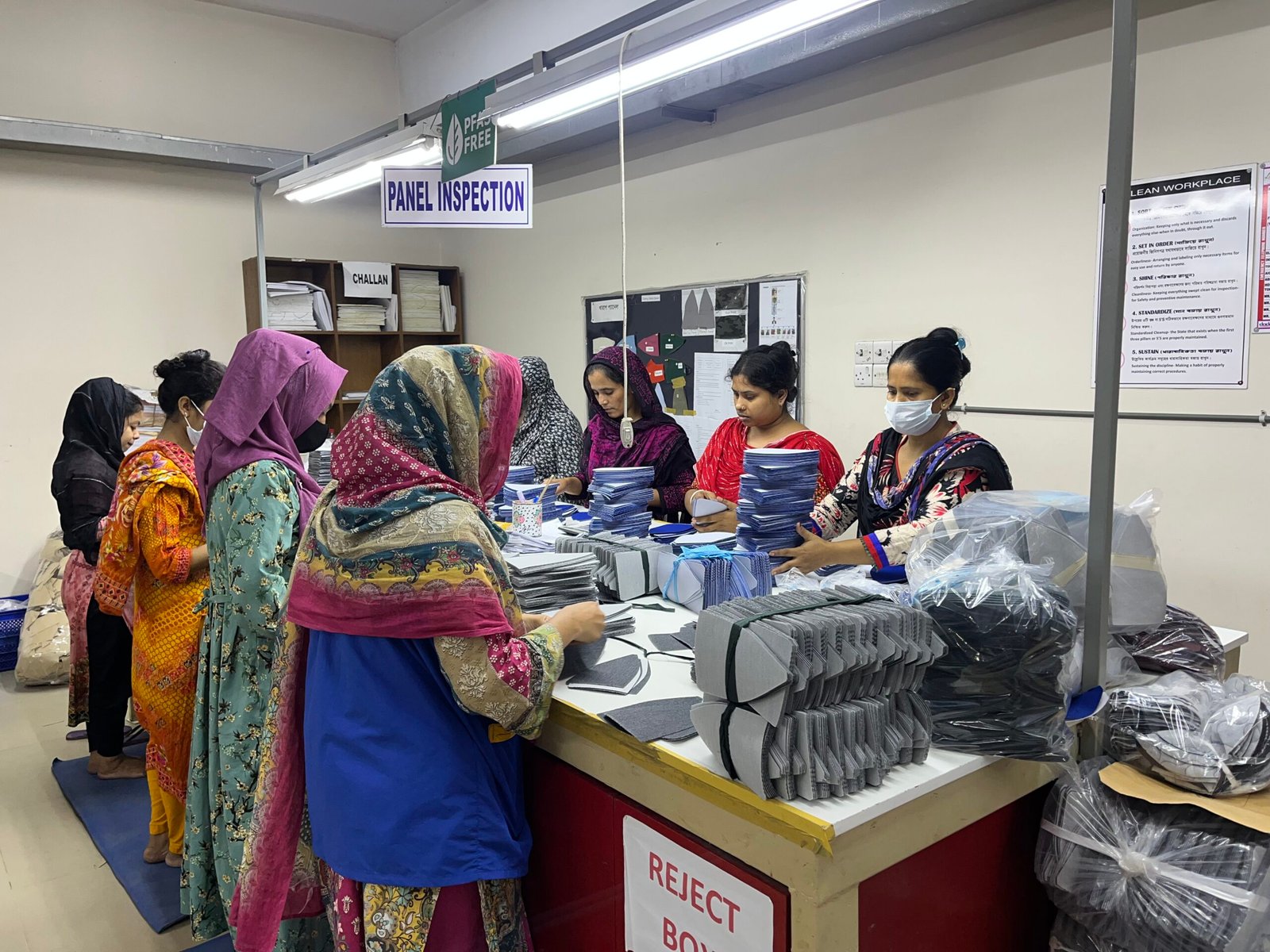
Cap build – Factories start with fabric selection and cutting panels. These panels are sewn together, reinforced with buckram, and paired with a visor insert. The cap is then blocked and shaped before trims, closures, and sweatbands are added.
Embroidery run – Once the cap is complete, it’s hooped into a special frame. A test sew-out is done to confirm stitch quality and alignment. Bulk embroidery follows, with operators trimming threads, steaming, and pressing. The last step is quality control, where tension, cleanup, and placement are checked.
MOQ & Lead-Time Benchmarks (and how to reduce them)
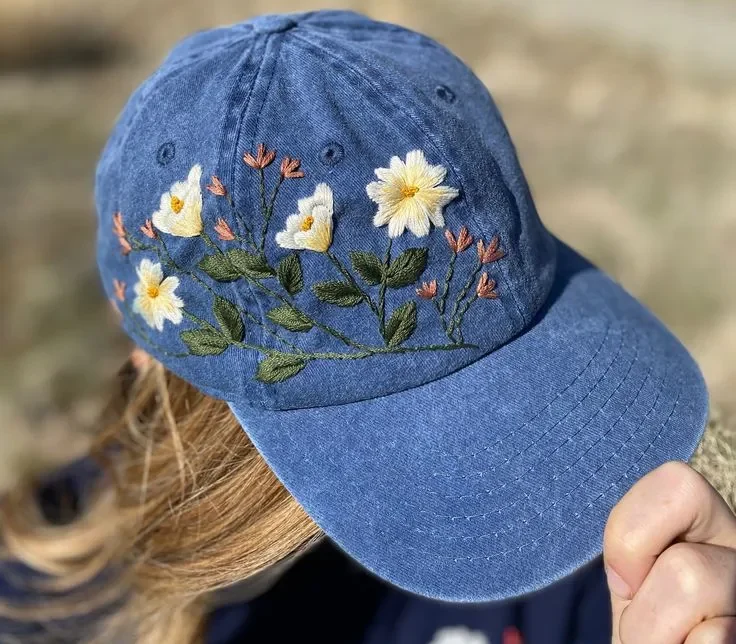
Your minimum order quantity (MOQ) and production timeline depend on the type of program you choose. Here’s how the main options compare:
On-demand decorators – These shops offer the lowest entry point, sometimes even a few pieces. They’re perfect for quick runs, samples, or event giveaways.
Domestic programs – Local suppliers usually require small to mid-size MOQs, often a few dozen per style. Lead times are moderate, averaging three to four weeks.
Overseas/OEM programs – Full custom manufacturing requires higher MOQs, often in the hundreds, with production times stretching eight to twelve weeks. This route works best for established brands.
If you’re aiming to lower your MOQ, there are practical levers to pull:
Choose stock blanks instead of full custom builds
Reduce colorways and placements to simplify production
Skip 3D puff embroidery on your first run
Standardize thread colors across designs
Pick popular SKUs that suppliers already produce regularly
These adjustments make it easier to launch smaller batches while keeping your brand consistent and costs under control.
Cost Drivers & Simple Pricing Formula
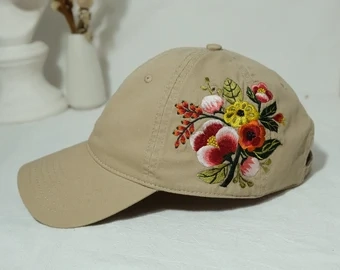
Pricing for custom embroidered caps isn’t random—it’s shaped by a few predictable cost drivers.Knowing these upfront helps you budget and compare supplier quotes more effectively.
Key drivers include:
Base cap style and brand choice
Digitizing fee for converting your logo into stitches
Total stitch count (higher stitches = higher cost)
Number of embroidery locations (front, side, back)
Extra charges for 3D or puff embroidery
Samples, packaging, and shipping costs
A simple way to estimate pricing is with this rule of thumb:
Unit landed cost = base cap + (stitches × rate) + placements + options + logistics
This formula won’t cover every detail, but it gives you a realistic starting point. From there, you can adjust based on design complexity and order size.For real-world ranges by method and order size, see How much do custom hats cost.
RFQ/Spec Sheet

When you’re ready to request a quote, suppliers will want very specific details. A clear spec sheet not only speeds up the process but also prevents miscommunication and hidden costs. Think of it as your checklist to share with any manufacturer.
The essentials include the cap model or tech pack, structure (structured or unstructured), chosen colors, and closure type. You should also note logo size and placement, stitch count estimates, and Pantone thread colors.
On the production side, provide your expected quantities per colorway, any packaging or labeling requests, plus a target ship date and shipping destination. Finally, confirm which Incoterms (like FOB or CIF) you prefer.
By handing suppliers this complete package, you’ll get precise pricing, realistic lead-time estimates, and clear MOQ options from the start.
Ready to Get Started?

Create custom embroidered caps that highlight your brand with precision stitching and professional finishes. Choose from stock blanks for fast, low-MOQ runs or go full OEM for complete customization, from fabrics and trims to closures and labels. Add embroidery styles like flat or puff to bring your logo to life.
At JoinTop, we provide OEM/ODM support with trusted partner factories in China, Bangladesh, and Vietnam. Get fast sampling, competitive pricing, and flexible order options. Contact us today to request swatches, review cap styles, and start your custom embroidered cap project.
 EN
EN  ES
ES  FR
FR  AR
AR  JA
JA  KO
KO  RU
RU  DE
DE  PT
PT  IT
IT  TR
TR