
If you are searching for custom Melin hats, choose the route that matches the product you need. Melin runs an official custom program for brands that want genuine Melin headwear. JoinTop does not sell or customize official Melin products and is not affiliated with Melin.
We develop original OEM and ODM performance caps for golf, running, outdoor and lifestyle brands using buyer-approved fabrics, fit, ventilation, sweatbands and logo techniques. This guide compares both sourcing routes and explains how to create a retail-ready private-label cap without copying another brand's trademarks or proprietary details.
This article is for founders, product managers, sourcing managers and merchandising teams planning a branded performance headwear program. It focuses on product development and repeatable bulk production rather than one-time promotional giveaways.
Topics in this guide
What does "custom Melin hats" mean for a brand buyer?
Melin is a third-party performance headwear brand with its own Corporate Sales and Custom Program. Buyers often use "custom Melin hats" for two different purchasing needs. One is sourcing genuine Melin headwear through that official program. The other is developing an original private-label performance cap with an OEM manufacturer.
| Sourcing route | What you receive | Best suited to | Main limitation |
|---|---|---|---|
| Decorate genuine Melin products | Genuine Melin headwear supplied through Melin's official custom program | Corporate gifting, teams or events that specifically require the Melin brand | Product structure, fabric, fit and color are limited to available products and current decoration rules |
| Develop an original OEM performance cap | A private-label cap built around your own fit, materials, branding and target market | Golf, running, outdoor, sportswear and lifestyle brands creating a repeatable retail program | Requires a development sample, written specifications and bulk quality controls |
If your order must be an official Melin product, contact Melin through its corporate sales program and confirm current availability, quantities, decoration options and timing with that team. If your goal is an original performance cap sold under your own trademark, an OEM or ODM development route gives your team control over the crown, brim, fabric, ventilation, sweatband, closure, labels and packaging.
Turn the reference cap into a measurable performance brief

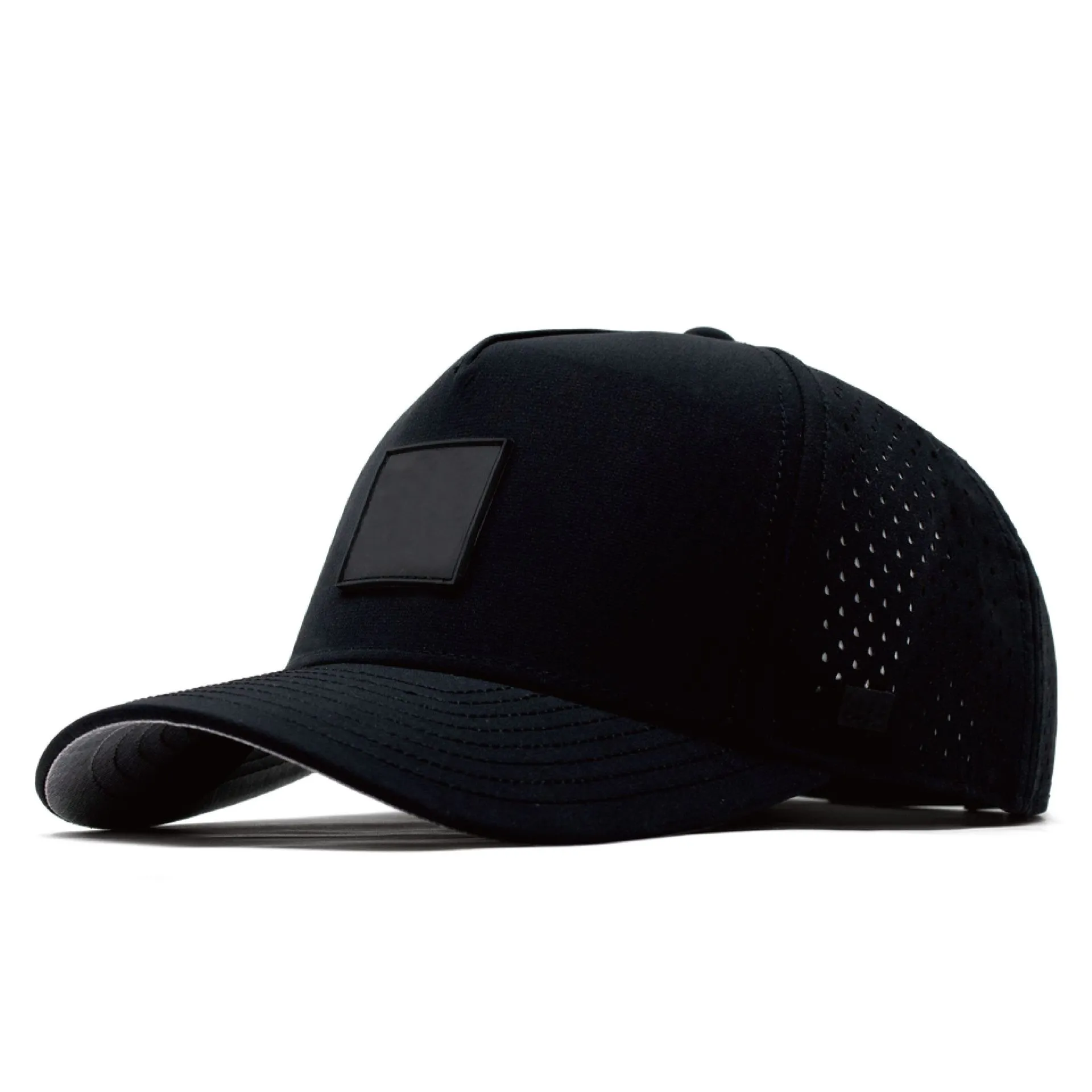
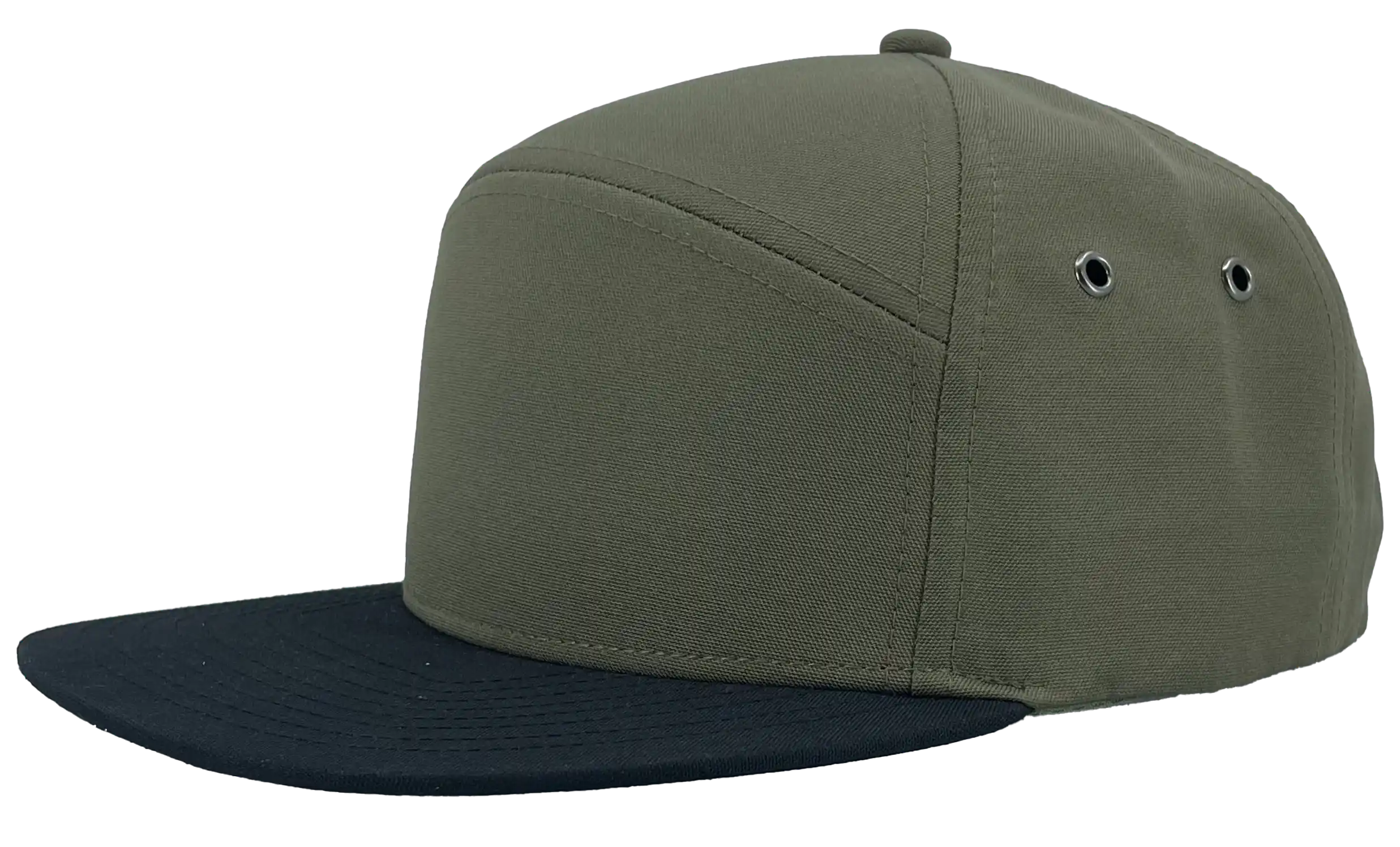
A reference cap can communicate silhouette and quality expectations, but it does not define the product. Two caps can look similar in a photo and perform differently because of the shell weave, coating, crown reinforcement, sweatband, perforation layout or brim insert.
Before requesting a quotation or sample, define the following project inputs.
- Brand or company website and the market where the cap will be sold
- Primary use, such as golf, running, fishing, training, travel or daily lifestyle wear
- Quantity for each design and color, plus the expected repeat-order plan
- Target fit, including panel count, crown profile, head circumference and closure range
- Required functions and the evidence needed for any claim, such as water resistance, quick drying or UV protection
- Logo files, preferred decoration method, placement dimensions and color references
- Destination, required arrival date and any compliance or packaging requirements
A useful brief separates required features from preferences. For example, "lightweight" is subjective. A better request identifies the reference fabric, acceptable hand feel, target structure and the test information your team needs before approval. For a broader category overview, see the JoinTop guide to performance hats.
Specify the materials and construction that create performance
Shell fabric and water resistance
Polyester and nylon are common starting points for performance caps, but fiber content alone does not determine the result. Yarn, weave, fabric weight, stretch, finish, color and the completed cap construction all affect appearance and wear.
| Material direction | Why a brand may choose it | What to verify during development |
|---|---|---|
| Polyester woven fabric | Stable structure, broad color and print options, and suitability for many athletic cap programs | Hand feel, opacity, drying performance, colorfastness and compatibility with the selected logo method |
| Nylon woven fabric | Light hand feel and a technical surface suited to outdoor or lifestyle positioning | Color consistency, surface marking, dimensional stability and the effect of any water-repellent finish |
| Low-spandex or mechanical-stretch fabric | Controlled flexibility where fit comfort is needed without excessive stretch | Stretch direction, recovery, crown stability and head-circumference change after wear |
| Coated or laminated construction | Higher moisture protection for a defined application | Breathability trade-offs, seam construction, surface adhesion and the exact claim the finished cap can support |
Water-resistant and waterproof describe different levels of protection. A durable water-repellent finish can help water bead on the fabric surface. A waterproof product claim also depends on the fabric barrier, seams, stitching and finished construction. If your brand requires PFAS-free DWR, state that requirement before sampling and request the relevant material declaration or test scope for the exact fabric. For material selection trade-offs, compare nylon and polyester for water-resistant sports caps.

Moisture management and sweatband design
A moisture-management brief should cover more than the shell fabric. The sweatband is the component closest to the wearer and can influence comfort, drying time, stretch and perceived fit. Confirm the sweatband material, width, color, stretch behavior and attachment method. If a quick-dry or moisture-wicking claim will appear on packaging, validate the relevant components and finished product under an agreed method rather than relying on a generic fabric description.
Breathability and laser perforation
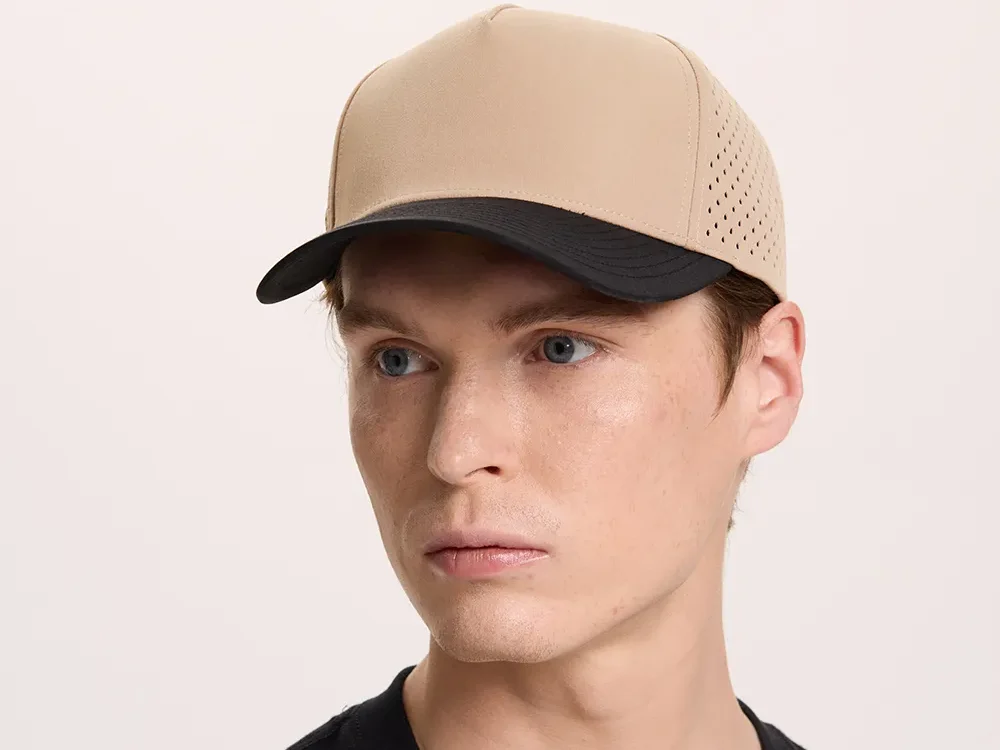
Breathability can come from the fabric construction, mesh, eyelets, laser perforation or a combination of these. For laser-cut panels, the tech pack should state hole shape, diameter, spacing, row alignment, perforated area and distance from seams or decoration. The sample should be checked for edge quality, panel strength, distortion after sewing and visual consistency from left to right.
Dense embroidery and perforation compete for the same panel space. Lock the logo size and placement before finalizing the ventilation pattern so neither feature is compromised.
Crown structure, fit and sizing
"Structured" is not a complete fit specification. Define the number of panels, crown height and depth, front-panel reinforcement, seam shape, lining, top-button construction and size range. Record measurements on the approved physical sample and state how the cap should be measured. A closure position alone is not enough because different closures and back openings can change the usable range.
The performance cap fit specification guide explains how to document crown and circumference details for sampling and bulk inspection.

Brim, closure and hardware
The brim affects both appearance and wear. Specify the brim insert, finished length and width, curve, number of stitch rows, top and under-brim fabrics, and whether the shape should arrive pre-curved. For the closure, record the material, color, width, attachment points, adjustment range and any corrosion or cycling requirements. Review hardware and trim colors together with the shell under consistent lighting.
Choose a logo method that works with the panel
The strongest branding method is the one that fits the fabric, panel structure and intended use. A large, dense embroidery may add stiffness to a lightweight front panel. A heat-applied patch needs a stable surface and appropriate temperature and pressure. A sewn patch adds a visible edge and creates another seam line.
| Logo method | Useful for | Approval points |
|---|---|---|
| Flat or 3D embroidery | Classic front or side branding with thread color control | Stitch density, small details, panel distortion, backing and distance from seams |
| Woven label or woven patch | Fine detail with a textile appearance | Border, fold, edge finish, sew line and final placement |
| Silicone, TPU or PVC patch | Dimensional branding and clean color separation | Material, thickness, gloss level, color, mold detail, attachment and compatibility with the cap fabric |
| Heat transfer or print | Lightweight graphics where the selected fabric supports the process | Adhesion, stretch, surface change, color and wash or wear expectations |
Measure every logo from stable seams or panel edges, not from a product photo. The mock up should record width, height, placement and color references, while the physical sample confirms how the logo sits on the curved cap. Explore JoinTop's available cap customization options before choosing the final logo route.

Use a controlled sample-to-bulk process
Performance cap quality is easier to control when each approval creates a written reference for the next stage. JoinTop recommends the following development sequence.
- Confirm the commercial brief. Record the target customer, retail positioning, use case, quantity, destination and launch date.
- Define the product. Specify the crown, fit, fabric, sweatband, ventilation, brim, closure, logo, labels and packaging.
- Approve the mock up and specification sheet. Identify any open items that still require a physical sample.
- Make and review the development sample. Record measurements, colors, materials, placement and construction comments.
- Approve a pre-production reference when required. Lock the permitted bulk tolerances and approved changes.
- Control bulk production. Use pre-production review, inline inspection, final inspection and corrective-action follow-up where needed.
Do not approve a cap with a general comment such as "looks good" while expecting the factory to remember exceptions from earlier emails. List every approved detail and every unresolved point. When one feature changes, review connected areas as well. Increasing a front logo, for example, can reduce its clearance from a seam or perforation field.
Use the custom performance cap sample approval checklist to review a physical sample before bulk production.

How JoinTop supports an original private-label performance cap
JoinTop works with brand teams seeking continued product development beyond adding a logo to a stock cap. The development conversation can cover functional fabric selection, crown and fit, laser ventilation, sweatband, brim, closure, logo technique, labels, packaging and the inspection points needed for repeat orders.
The same cap should be considered from three viewpoints.
- Product. Does the cap suit the intended activity, climate, fit and retail position?
- Production. Can the approved material, decoration and construction be repeated consistently?
- Commercial plan. Do the sample schedule, bulk lead time, quantity and shipping route support the launch date?
Brands can review JoinTop's custom performance cap capabilities and development and cooperation process before starting a project.
If you are planning a golf, running, outdoor or lifestyle collection, send your brand website, intended use, quantity by design and color, target market, reference images or tech pack, logo files, destination and required arrival date. These inputs allow the team to recommend a more relevant development route instead of giving a generic price.
MOQ, samples, lead time and quotation planning
As of October 2026, a standard custom cap project usually starts at 100 pieces per design and color. Special fabrics, custom dyeing, molded logos, packaging or production-location requirements can change the minimum. Final pricing depends on the full specification, quantity, destination and shipping method.
A typical development sample takes about 20 to 25 days after specifications and payment are confirmed. Bulk production is commonly planned at about 40 to 45 days after final approval and deposit. Complex designs, multiple sample rounds, material development and peak-season capacity can extend the schedule, so the project-specific timeline should be confirmed before a launch date is promised.
For a useful quotation, provide the following information.
- Company or brand name and website
- Product type and intended activity
- Quantity for each design and color
- Target market and required performance claims
- Reference cap, photos, mock up or tech pack
- Logo file and preferred decoration
- Delivery destination and required arrival date

Common sourcing risks to resolve before approval
- Treating a competitor's finished cap as a complete specification
- Using "waterproof," "quick-dry" or "UV protection" without defining the product claim and supporting test
- Approving the shell color but not the sweatband, lining, closure, thread, patch and under-brim colors
- Finalizing a dense logo before checking panel curvature, seam clearance and ventilation
- Approving sample photos without confirming the physical fit and measurements
- Starting bulk production while materials, tolerances or packaging remain open
- Planning from factory completion instead of the required in-hand date and shipping time
Frequently asked questions
Does JoinTop sell official custom Melin hats?
No. JoinTop is not affiliated with Melin and does not sell or decorate official Melin products. JoinTop develops original private-label performance caps for brands. If your project requires genuine Melin products, use Melin or an authorized sales and decoration channel.
What is the MOQ for a custom performance cap?
For many standard cap projects, JoinTop's starting MOQ is 100 pieces per design and color. A special fabric, custom color, molded component or packaging program may require a higher minimum. Confirm the MOQ after the construction and materials are defined.
Can I approve a sample before bulk production?
Yes. A physical development sample is recommended for checking fit, materials, color, ventilation, logo placement and construction. Record the approved measurements and comments so the sample becomes a practical reference for bulk production.
How long do sampling and bulk production take?
A typical sample takes about 20 to 25 days, and standard bulk production is often planned at about 40 to 45 days after approval and deposit. Timing varies with complexity, material availability, sample revisions, order size and factory capacity. Add the selected shipping time when planning the required in-hand date.
How should a brand verify water resistance, quick drying or UV protection?
Define the exact claim, product component, test method and acceptance criteria before sampling. Test the approved production material or finished cap as appropriate. Do not assume a claim applies to every color or construction because a similar fabric passed a previous test.
What quality controls should be agreed before bulk production?
Use an approved specification and sample, then define material and color references, measurement tolerances, logo placement, workmanship standards, packaging and inspection checkpoints. Pre-production review, inline inspection, final inspection and corrective-action records help reduce sample-to-bulk differences.
Start your custom performance hat project
JoinTop supports golf, running, outdoor, sportswear and lifestyle brands developing original headwear for retail and repeat programs. To receive a focused review, share your company or brand website, cap type, intended use, quantity per design and color, target market, logo needs, destination and required arrival date.
Get a custom performance hat quote or request samples.
About this guide. Written by Tina for JoinTop, this guide reflects JoinTop's product-development and bulk-production experience with custom performance caps. It was originally published on June 20, 2025 and substantially updated on October 9, 2026 to clarify the official Melin custom route, add specification and quality-control guidance, and support brand buyers evaluating an OEM or ODM program.

 EN
 ES
 FR
 AR
 JA
 KO
 RU
 DE
 PT
 IT
 TR