

Golf is a game played in every kind of weather—bright summer sun, sudden autumn rain, or crisp winter mornings. And while your clubs get most of the attention, your cap plays a bigger role than you might think. The right hat keeps you cool, dry, and focused, while the wrong one leaves you sweaty, squinting, or shivering.

That’s why we put together The Ultimate Guide to Choosing Golf Caps for Every Season. In this guide, you’ll learn how to pick hats that match the season, protect you from UV rays, handle rain and wind, and even add style without losing performance. By the end, you’ll know exactly which caps deserve a spot in your year-round golf rotation.
What “season-ready” means for golf caps

Golf isn’t a one-season game, and your cap shouldn’t be either. The best golf cap changes with the weather—hot sun, sudden rain, or chilly winds all demand different features. A single “favorite hat” rarely works year-round.For context on how modern designs evolved, explore the history of golf caps.
Think of your headwear as part of your gear rotation. Just like swapping clubs for different shots, you’ll want caps that handle summer heat, rainy shoulder seasons, and winter chill. The right rotation keeps you comfortable, focused, and ready to play in any season.
Key points to remember:
Summer: breathable fabrics, UPF 50+ sun protection, wide or curved brims.
Rain/wind: waterproof materials, structured bills, secure closures.
Winter: thermal linings, ear coverage, and wind resistance.
Quick season picks

Summer (UPF 50+, vented performance cap / bucket)
In summer, your cap has one main job—keep you cool and protected. Look for UPF 50+ fabrics, mesh panels, and sweat-wicking headbands. Wide-brim buckets or vented performance caps add extra shade while staying lightweight, so you can focus on your swing instead of the heat.
Rain & wind (waterproof cap with taped seams + structured brim)
When rain or strong winds hit, a regular cap won’t cut it. A waterproof cap with taped seams keeps your head dry, while a structured brim helps redirect water away from your eyes. Choose a snug fit with a secure closure, so your hat doesn’t blow off mid-swing.Need product ideas? Start with the best waterproof golf caps for rainy-day games.
Winter (thermal/ear-flap cap or beanie that fits under a hood)
Cold weather golf calls for warmth without bulk. A thermal cap, insulated beanie, or ear-flap design keeps heat in and wind out. Look for styles slim enough to fit under a hood, so you stay comfortable and focused, even when the temperature drops on the course.
How to choose a golf cap by climate zone

Not every golf course feels the same, and your cap choice should change with the climate. Different zones demand different fabrics, vents, and brim designs to keep you comfortable. Here’s how to match your hat to the weather you play in most:
Humid subtropical: Lightweight polyester with mesh panels helps beat sticky heat. A sweat-wicking headband is a must for comfort.
Desert heat: Wide brims and UPF 50+ fabrics give maximum sun protection. Light colors reflect heat better.
Maritime rain: Waterproof caps with taped seams and breathable lining keep you dry without trapping sweat.
Continental cold: Thermal caps or beanies with ear coverage protect against icy winds while staying snug under a hood.
Golf cap materials, tech & what matters by season

The fabric and technology inside a golf cap make the biggest difference when weather shifts. Picking the right material for each season means better comfort, performance, and focus on the course. For a deeper dive into fabric performance, see golf cap materials compared.Here’s what to look for:
Summer: Lightweight poly or nylon blends with moisture-wicking properties keep sweat off your face. Mesh panels or laser-cut vents add airflow so you stay cool.
Rain: Waterproof fabrics with DWR coating and sealed seams block moisture. Breathable membranes stop your cap from feeling like a sauna.
Winter: Fleece linings, softshell exteriors, or windproof shells trap warmth while shielding you from cold gusts. Look for ear-flap options for extra coverage.
All seasons: Sweatband technology, anti-odor finishes, and quick-dry materials make your cap more comfortable and easier to maintain year-round.
Sun protection that actually works

When you’re out on the course for hours, protecting yourself from the sun matters as much as hitting a clean drive. A golf cap isn’t just about shade—it should block harmful UV rays and reduce glare so you can see clearly. Here’s how to choose smarter:
UPF ratings: Look for UPF 50+ fabrics, which block about 98% of UV radiation. This is more reliable than just picking a dark color.
Brim width: Wider or bucket-style brims give extra coverage for your face, ears, and even part of your neck. Standard caps often leave those areas exposed.
Dark under-bill: A darker underside helps cut glare from bright greens and bunkers, making it easier to track the ball in full sun.
Color myths: Bright or dark colors don’t guarantee better protection—coverage and UPF fabric treatment are what really count.
Brim & bill engineering

The brim of your golf cap does more than just look good—it controls vision, shade, and even how rain runs off during a storm. Picking the right style makes a real difference on the course.
Curved vs. flat: Curved brims hug your sightline, blocking side glare. Flat bills give more style but less targeted shade.
Wide brims: Great for extra sun coverage, though they can feel bulky during swings.
Rain runoff: Structured, slightly curved bills direct water away from your eyes on wet days.
Visors: Maximum airflow for hot rounds, but remember to pair with sunscreen since your scalp is exposed.
Fit, crown depth & retention when you’re moving

A golf cap that looks sharp but won’t stay put can ruin your focus. The right fit, crown depth, and closure keep your hat secure during swings, putts, and breezy rounds.
Low-profile crowns: Better for windy days since they sit closer to the head, reducing lift.
Closure systems: Velcro, snapbacks, and metal buckles each offer different levels of adjustability and hold—choose what feels most secure.
Ponytail slots: Useful for long hair, letting you adjust fit without extra bulk.
Cap creep: Sweat and motion can loosen caps; moisture-wicking headbands help maintain grip and comfort.
Build a smart 3-cap rotation (budget → premium)

Instead of relying on one hat for every round, build a simple three-cap rotation. This way you always have the right option for heat, rain, or cold—without overspending.
Starter (value): A basic breathable cap with a sweat-wicking band. Light, affordable, and good for everyday play in mild weather.
Performance (balanced): A mid-range cap with UPF 50+ protection, mesh panels, and secure closures. Works well across seasons with comfort and durability.
Pro (top-tier tech): Premium designs with waterproof membranes, thermal liners, or wide brims. Built for extreme conditions while maximizing performance.
Style without sacrificing performance

Your golf cap should look good, but style should never get in the way of function. The right design can add personality while still protecting you from sun, heat, or wind.Want your cap to look intentional with your kit? Here’s how to match your golf cap with your golf outfit.
Color blocking: Bright panels and patterns keep things stylish, but lighter shades help reflect heat on sunny days.
Rope and retro looks: Add classic flair without blocking ventilation. Make sure vents and mesh panels still breathe well.
Wide-brim buckets: They may look casual, but under high UV conditions, these outperform classic caps by shading your face, ears, and even part of your neck.
Care, cleaning & storage by season

Taking care of your golf caps helps them last longer and keeps their performance features working. A little attention to cleaning, drying, and storage goes a long way.
Protecting UPF & DWR: Hand-wash caps with mild soap. Harsh detergents can strip sun protection coatings or water-repellent finishes.
Reshaping brims: After washing, air-dry and reshape gently. Avoid dryers or direct heat that can warp bills.
Washing sweatbands: Spot-clean sweatbands often to prevent odor and buildup. Quick rinses extend cap life.
Drying protocols: For waterproof membranes, let them air-dry fully before storage. Never wring or twist.
Off-season storage: Store caps in a cool, dry place. Use hat racks or boxes to keep brims from bending out of shape.
Common mistakes to avoid

Even seasoned golfers slip up when choosing caps. Small mistakes can leave you sweaty, sunburned, or uncomfortable on the course. Here are a few to watch out for:
All-cotton in peak heat: Cotton traps sweat and dries slowly, making hot rounds miserable.
“Waterproof” with no vents: Without breathability, these caps get stuffy fast.
Too-shallow crowns: A poor fit makes hats fly off in wind or shifts during swings.
Neglecting ear/neck coverage: Skipping winter-ready caps can leave you exposed to cold winds and frostbite risks.
Conclusion

The Ultimate Guide to Choosing Golf Caps for Every Season shows that the right hat keeps you cool, dry, and confident in any weather. From UPF protection to moisture-wicking liners, small details make a big difference on the course.
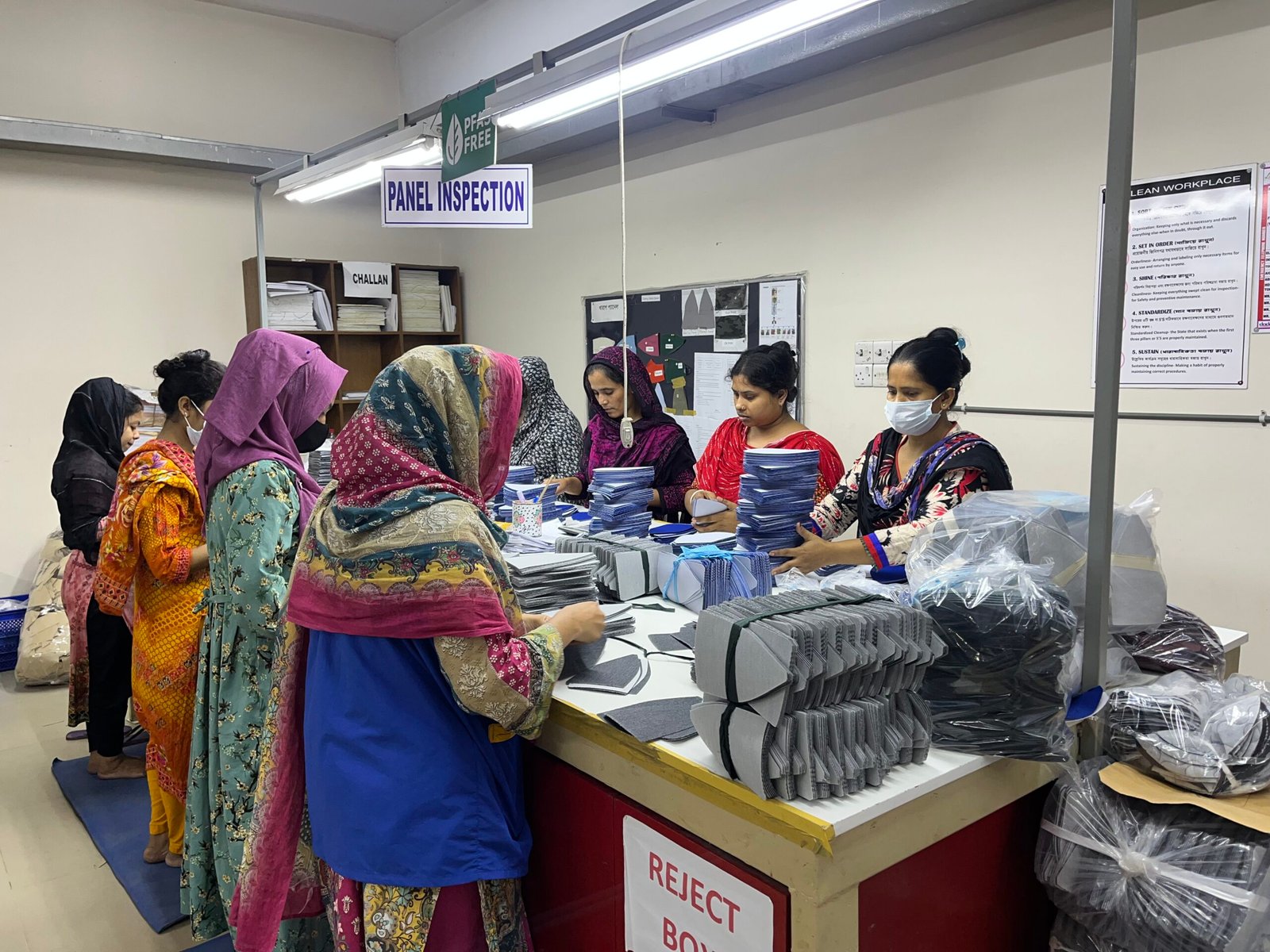
At Jointop, we create golf caps that blend performance and style, backed by full OEM/ODM support. With factories in China, Bangladesh, and Vietnam, we deliver fast sampling, competitive pricing, and flexible order quantities.
Whether you need custom team caps, wholesale orders, or a unique design, we’re here to help. Contact our team and let’s build your season-ready golf caps together.
 EN
EN  ES
ES  FR
FR  AR
AR  JA
JA  KO
KO  RU
RU  DE
DE  PT
PT  IT
IT  TR
TR