

Wearing hats with bangs might seem tricky, but with the right approach, you can easily pull off a stylish look. Whether you have straight-across bangs, side-swept bangs, or curtain bangs, there’s a way to make them work beautifully with your hat. By choosing the right hat fit and positioning your bangs carefully, you can ensure your look stays fresh and chic all day long.
This guide covers what you need to know about pairing hats with bangs, why it’s important to choose the right style. Let’s dive in!
What Makes Wearing Hats with Bangs Tricky?

Wearing hats with bangs isn’t as simple as just putting on a hat. The fit and positioning are crucial. A poorly chosen hat can flatten your bangs or hide them altogether, while the wrong placement of your bangs under the hat can make the whole style look off. So, understanding how to match your hat style with your bang style is key to getting it right.
Why it’s important: A well-chosen hat that fits correctly not only enhances your overall look but also helps maintain the shape of your bangs throughout the day.
Why It’s Important to Choose the Right Hat and Bang Style
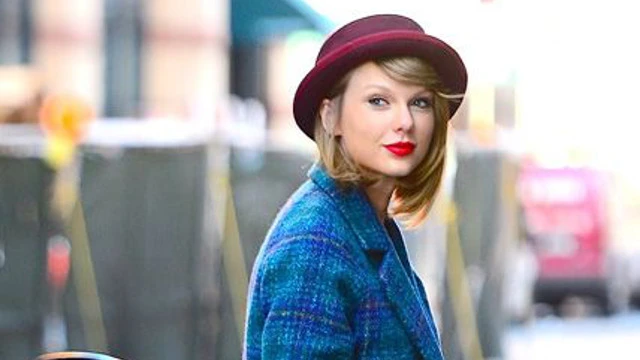
Choosing the right hat goes beyond just finding a cute accessory. The key to success lies in picking a hat that fits properly and works well with your specific bang style. If the hat is too tight, it will flatten your bangs, while a loose hat may shift throughout the day, causing your bangs to look messy.
Why it matters: The right fit ensures your bangs stay in place without compromising their shape or your comfort. This gives you confidence and helps you avoid constant adjustments.
Step 1: What to Consider When Choosing the Right Hat for Your Bangs
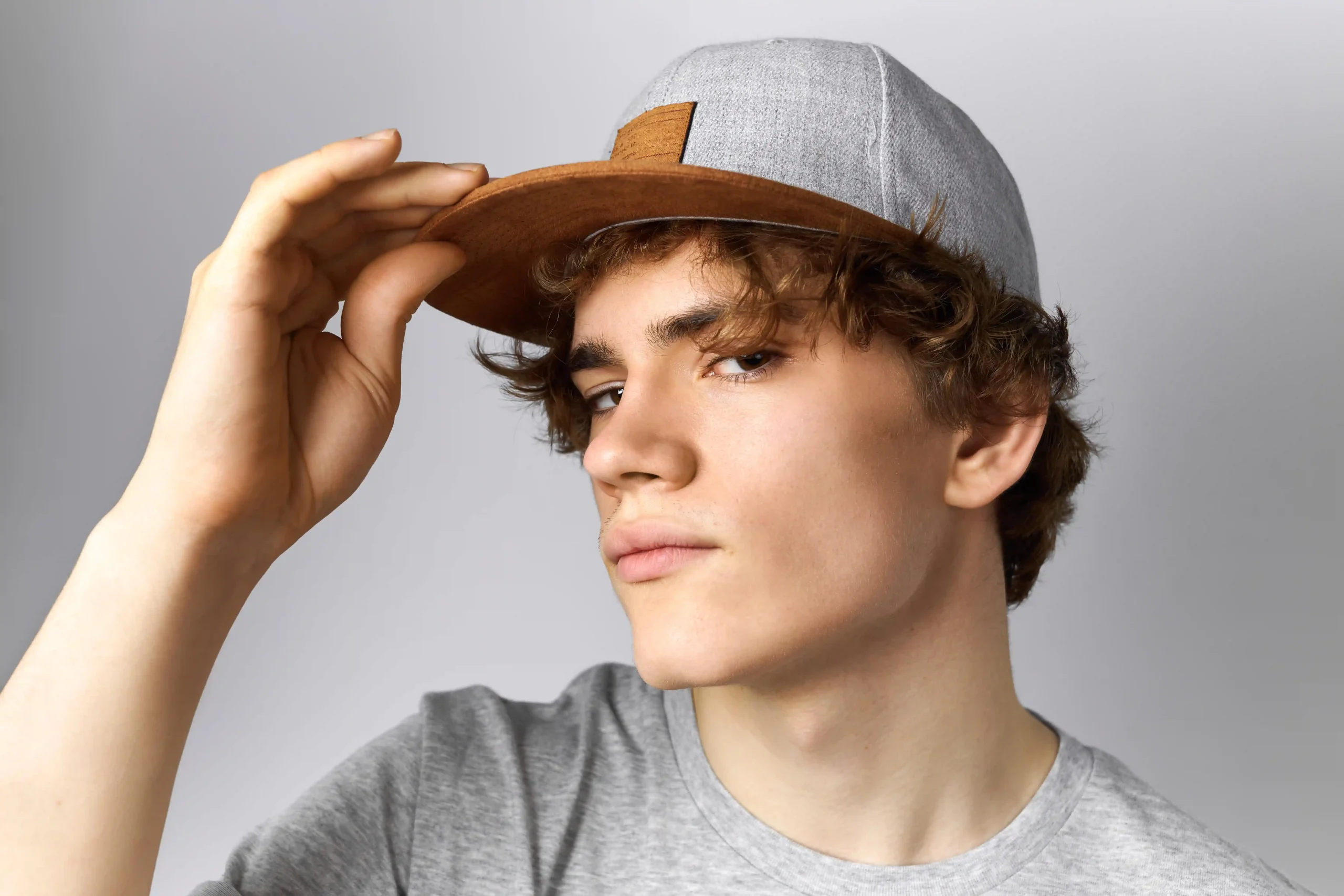
When it comes to wearing hats with bangs, the fit is everything. You need a hat that doesn’t crush your bangs or make them look too flat. A well-fitted hat provides enough room for your bangs while still staying securely on your head.
Why fit matters: A hat that’s too tight will press your bangs down, making them lose volume. A loose hat may slip off and cause your bangs to look disheveled. Choose hats with adjustable fits for more flexibility.
Hat types to consider:
Beanies: Cozy and comfortable, beanies work well for colder days. Style them slightly back to keep your bangs visible.
Berets: A stylish, flexible option that complements both straight and side-swept bangs. Tilt the beret for a chic touch.
Wide-Brim Hats: Ideal for making a bold statement. They give you room to let your bangs show through while keeping a fashion-forward vibe.
Step 2: How to Position Your Bangs Under the Hat

Now that you’ve picked the perfect hat, it’s time to focus on how to position your bangs. How you place your bangs under the hat makes a significant difference in the overall style.
For straight-across bangs: Wear the hat slightly back to keep your bangs framed beautifully and avoid them from getting flattened.
For side-swept bangs: Let your bangs flow naturally under the brim of the hat, adding a soft and effortless vibe to your look.
Pro tip: Don’t be afraid to experiment with the position of your hat slightly. Sometimes moving the hat back or to the side can give your bangs the perfect framing.
Step 3: How Different Hat Styles Complement Bangs

Certain hat styles work better with bangs than others, and choosing the right one can enhance your overall look.
Berets: These provide a flexible shape that works perfectly with both straight and side-swept bangs. Tilt the beret for an added touch of elegance.
Beanies: A go-to casual option, beanies can be pulled back to reveal your bangs, ensuring they don’t get flattened.
Wide-Brim Hats: If you’re after a bold look, wide-brim hats are perfect. Pair them with straight or side-swept bangs for a standout appearance.
Fedora: A structured, yet stylish, fedora balances form and function, complementing both straight and side-swept bangs for a sleek look.
Step 4: How to Maintain Your Bangs Under Hats

Keeping your bangs looking fresh under a hat requires a little extra care. Here’s how to keep them in great shape:
Before wearing your hat: Use a light hairspray or dry shampoo to keep your bangs in place and add volume. This helps prevent them from becoming flat or greasy under the hat.
Post-hat care: After removing your hat, fluff your bangs or give them a quick brush to restore volume and shape.
Step 5: Troubleshooting Common Issues with Hats and Bangs

Sometimes wearing hats with bangs can lead to common issues. Here’s how to fix them:
Flat bangs: If your bangs get flat after wearing a hat, fluff them up with your fingers or use a volumizing spray to restore their bounce.
Hat marks on bangs: To avoid or fix hat marks, adjust the hat fit or try products that prevent compression.
Conclusion
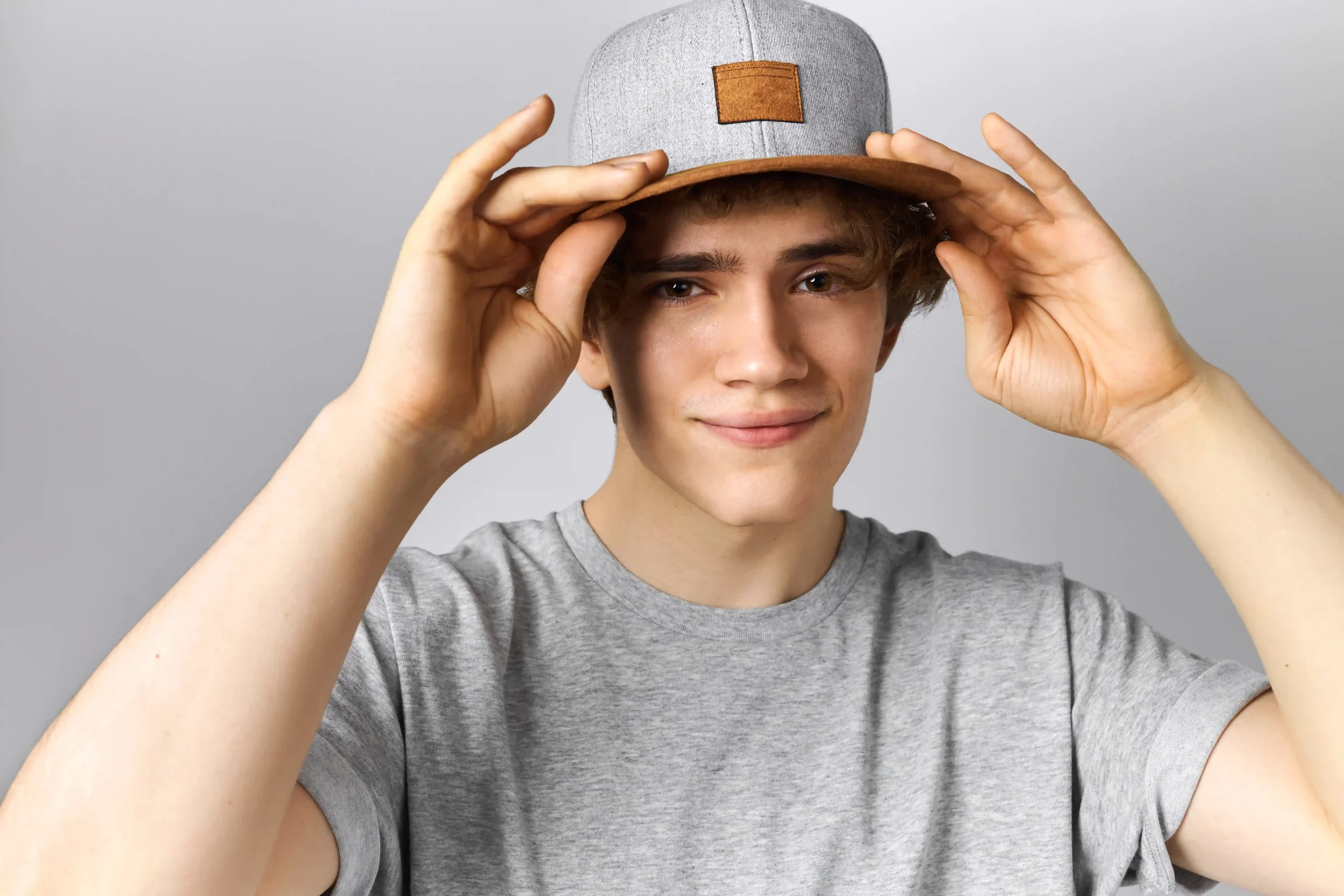
To wrap it up, wearing hats with bangs is all about choosing the right hat, positioning your bangs properly, and using the right products to keep everything fresh. Whether you’re going for a casual beanie look or a bold wide-brim hat, these tips will help you achieve a stylish, hassle-free look.
Ready to elevate your hat game? Visit Jointop Hat today to explore a wide range of high-quality hats that suit all styles. Whether you’re looking for casual or sophisticated options, we have the perfect hat for you. Check out our cap manufacturer services and contact us to find your ideal headwear today!

 EN
EN  ES
ES  FR
FR  AR
AR  JA
JA  KO
KO  RU
RU  DE
DE  PT
PT  IT
IT  TR
TR