

When you’re choosing a waterproof sports cap, the fabric matters just as much as the design. Two of the most common options—nylon and polyester—each bring different strengths to the table. But which one is truly better when rain, sweat, and sun are part of your game?
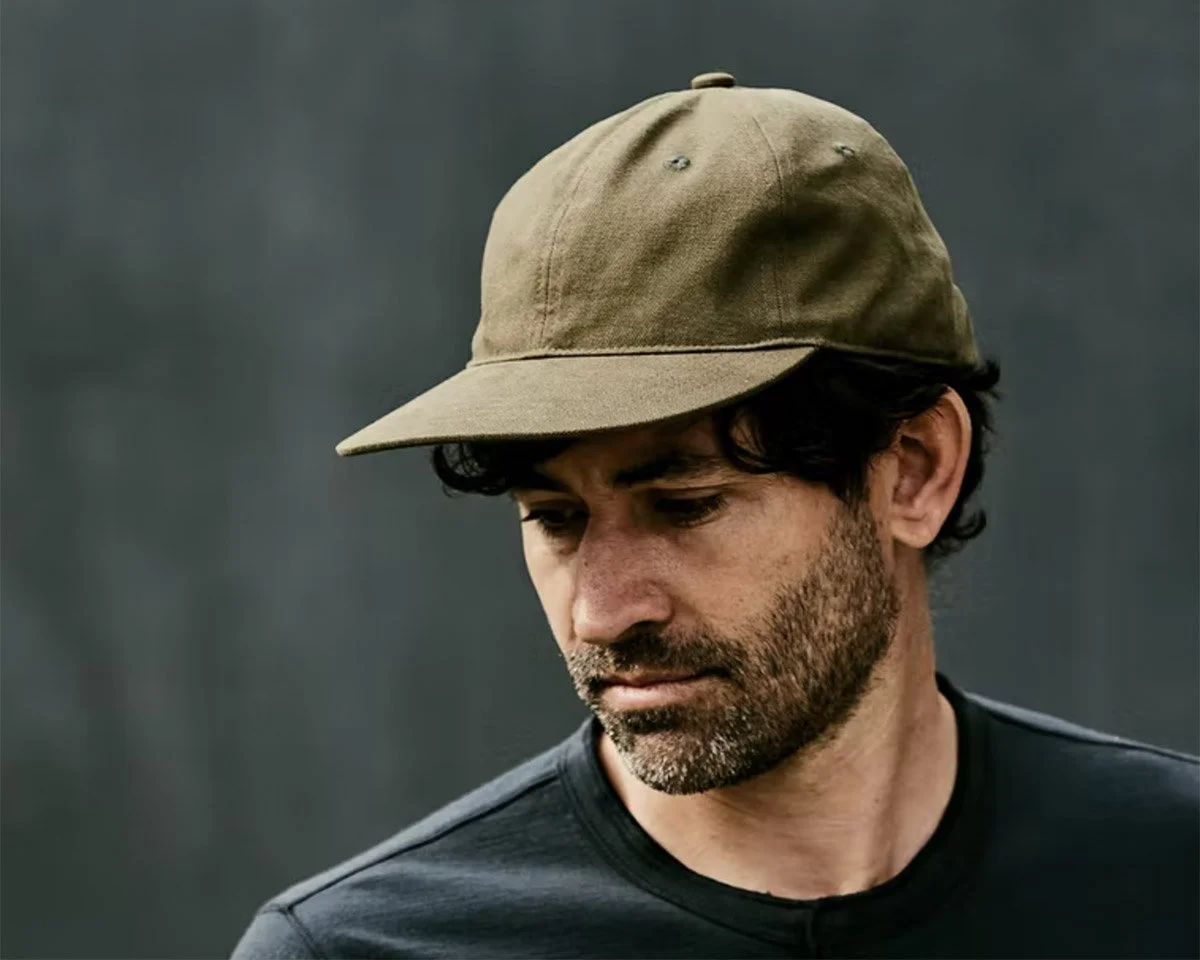
In this guide, we’ll break down nylon vs polyester to show you how each performs in key areas like dry time, durability, UV protection, and breathability. You’ll also learn how waterproofing is achieved, the fabric builds most brands use, and how to care for your cap so it lasts longer. By the end, you’ll know exactly which fabric suits your sport, your climate, and your style.
Quick Comparison

| Criteria | Polyester | Nylon |
|---|---|---|
| Dry Time | Dries very quickly, stays light when wet. | Holds more water, dries slower. |
| Strength | Durable but less tough under abrasion. | High abrasion resistance, rugged use. |
| UV Protection | Better UV stability, holds color longer. | Can fade faster in strong sun. |
| Best Use | Running, golf, hot or humid training. | Hiking, alpine use, rough trails. |
| Care | Rinse, use technical wash, reproof as needed. | Same care as polyester; avoid fabric softeners. |
Quick Verdict: Nylon vs Polyester (What to Choose & Why)
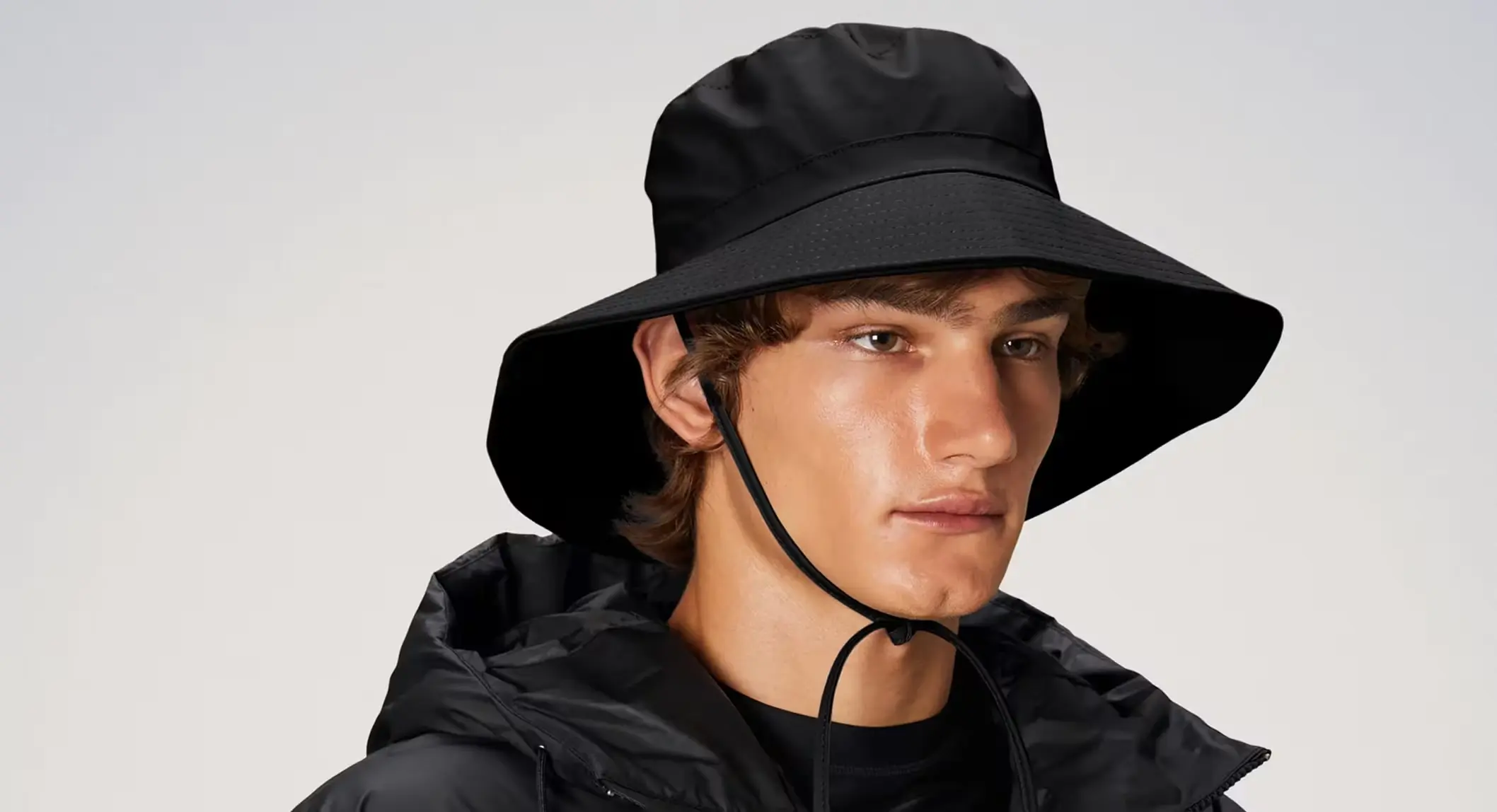
When it comes to waterproof sports caps, nylon and polyester both shine—but in different ways. The fiber itself is not truly waterproof, but how it’s built and treated makes a big difference.
Polyester
Dries faster thanks to lower moisture absorption
Holds up better under strong sunlight and UV rays
Stays lighter and keeps shape in sweaty or rainy conditions
Nylon
Known for strength and abrasion resistance
Handles scrapes, pack rub, and rough trails better
Slightly heavier feel when wet but more rugged overall
Remember, “waterproof” comes from the design of the cap, not just the fabric. A cap becomes truly waterproof when it includes membranes and taped seams, while a simple water-repellent coating only resists light drizzle.
What Makes a Cap Waterproof (DWR vs Membrane)
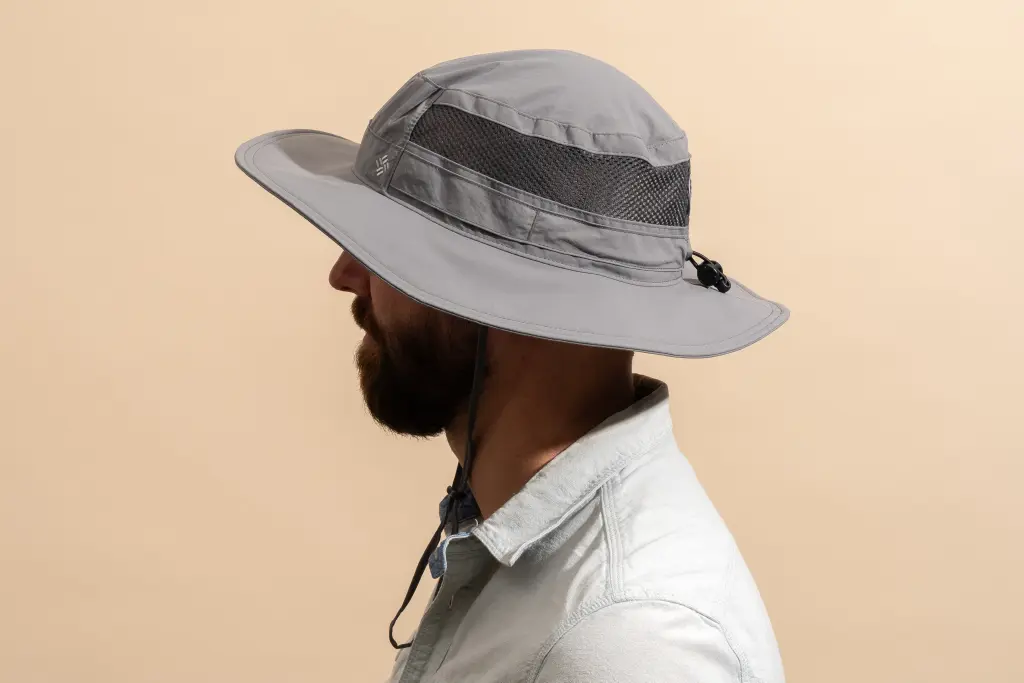
When you see “waterproof” on a sports cap label, it can mean very different things. Some caps only shed drizzle, while others hold up in steady rain. The secret lies in how the fabric is finished and built.
DWR (Durable Water Repellent)
A surface treatment added to nylon or polyester
Helps water bead and roll off during light showers
Loses effectiveness over time, so reproofing is needed
Waterproof Membrane + Taped Seams
A thin, laminated layer blocks rain completely
Seams are sealed to prevent leaks
Measured by hydrostatic head, which shows how much water pressure the fabric can handle
In short, DWR is water-resistant, while membranes make a cap truly waterproof. For sports in unpredictable weather, knowing the difference helps you choose the right cap.
Nylon vs Polyester: Core Performance Factors
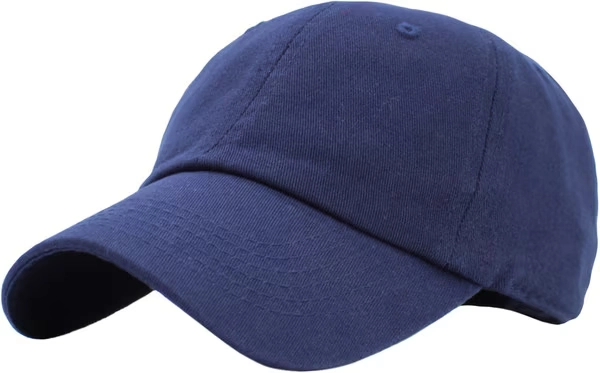
When comparing nylon and polyester for waterproof sports caps, it helps to look at how each fabric performs in the areas that matter most. Both can keep you comfortable outdoors, but their strengths are not the same.
Dry Time & Moisture Uptake
Polyester absorbs very little water, so it dries quickly after sweat or rain. Nylon, on the other hand, holds more moisture and can feel heavier when wet, making it slower to recover.
Strength & Abrasion Resistance
Nylon is stronger than polyester at the same weight or denier. This makes it the better choice for caps that face rough use, such as rubbing against packs, rocks, or frequent outdoor scrapes.
UPF & UV Stability
Polyester usually offers higher resistance to UV rays and maintains color longer under strong sun. Still, the weave density and color of the fabric play a big role in how much sun protection a cap provides.
Breathability & Comfort
Caps with only a DWR coating breathe better and keep you cooler but only resist light rain. Membrane-lined caps block water completely, though they tend to trap more warmth and feel less airy.
In short, polyester works best for quick-dry comfort in hot, sunny conditions, while nylon wins when toughness and long-term durability are the priority.
Fabric Builds Used in Waterproof Sports Caps
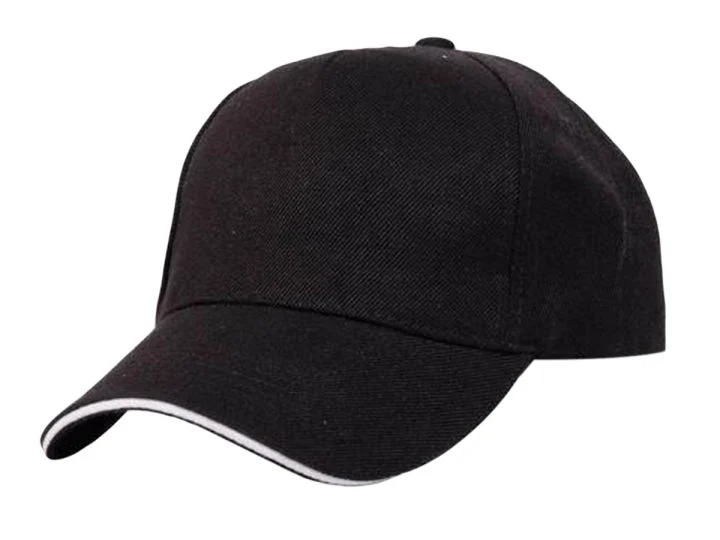
Not all waterproof sports caps use the same kind of fabric build. The way nylon or polyester is woven and treated can change how the cap performs outdoors.
Polyester Builds
Polyester fabrics are often made with plain weave or micro-ripstop for lightweight strength, performance knits for stretch and quick-dry comfort, and spacer mesh panels to increase airflow in hot conditions.
Nylon Builds
Nylon fabrics include taslan, which has a soft, cotton-like feel with good durability, and ripstop nylon, which adds toughness and prevents small tears from spreading—ideal for caps used on rough trails or in demanding outdoor settings.
Coatings and Laminates
Coatings such as PU or silicone provide water resistance on basic fabrics, while two- to three-layer waterproof membranes block rain completely yet allow vapor to escape, making them suitable for serious waterproof sports caps.
Choosing the right fabric build depends on your activity. Lightweight polyester meshes are great for runners and golfers, while rugged nylon ripstop with coatings or membranes is best for hiking or alpine conditions.
Care That Affects Waterproof Performance
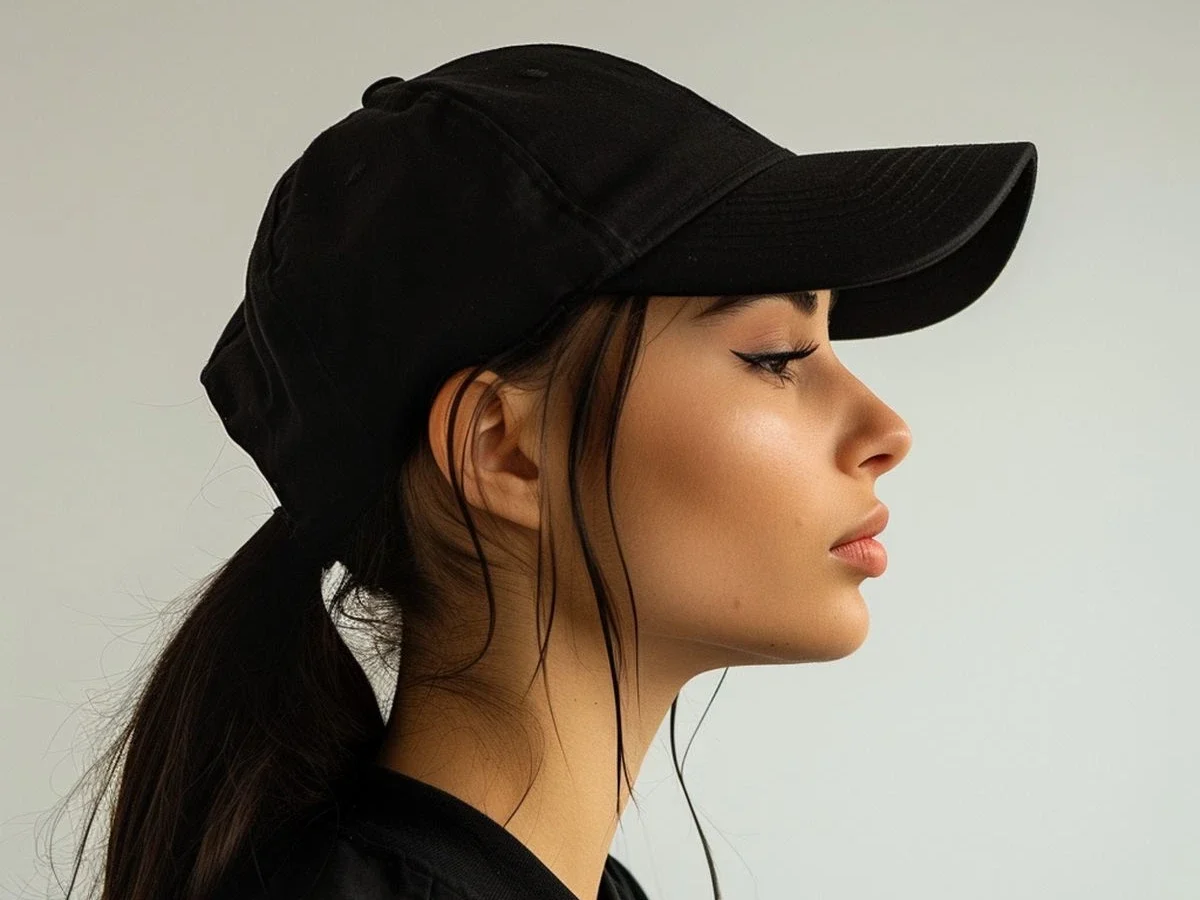
Even the best nylon or polyester cap won’t stay waterproof forever if you don’t take care of it. Sweat, salt, and dirt can wear down protective finishes, so regular upkeep is key.
Rinse after use
Always rinse your cap after heavy sweating or wet weather. This prevents salt and dirt from clogging the fabric and reducing breathability.Use technical wash
Regular detergents can strip away water-repellent coatings. A technical cleaner is gentler and designed to protect performance fabrics.Low heat to revive DWR
A short tumble on low heat helps reactivate the Durable Water Repellent finish. This simple step can restore water beading on the surface.Reproof when needed
If water no longer beads up, apply a spray-on or wash-in DWR treatment. Reproofing keeps the cap performing well in wet conditions.Avoid fabric softeners
Fabric softeners leave behind a residue that blocks airflow. They can also weaken the waterproof coating, making the cap less effective.
With simple steps like rinsing, washing right, and reproofing, your waterproof sports cap will stay effective for many seasons of outdoor use.
Ready to Get Started?

Create custom waterproof sports caps with the fabric that fits your needs—polyester for quick-dry comfort and UV protection, nylon for rugged durability, or membrane builds for full storm coverage.
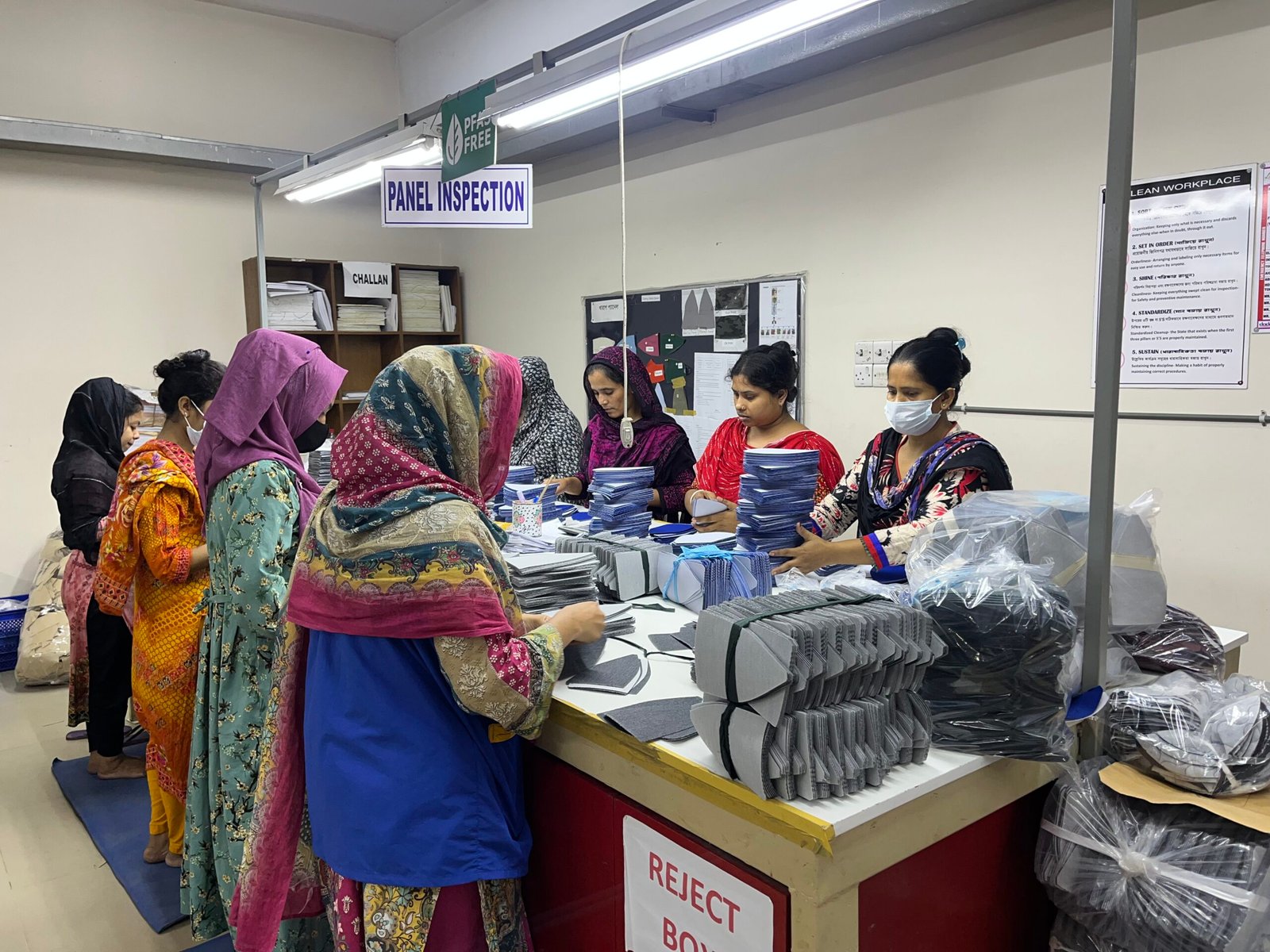
At JoinTop, we provide full OEM/ODM support with local factories in China, Bangladesh, and Vietnam for fast sampling, competitive pricing, and flexible order quantities. Contact our team to request fabric swatches, compare nylon and polyester builds, and start your custom waterproof cap project with confidence.
 EN
EN  ES
ES  FR
FR  AR
AR  JA
JA  KO
KO  RU
RU  DE
DE  PT
PT  IT
IT  TR
TR