

Metal trim corrosion on a performance cap should be evaluated by component and exposure. A buckle, eyelet or metal badge may react differently to sweat, salt spray, repeated handling and care. Brand buyers should specify the substrate, finish, assembled condition and acceptance criteria, then connect the result to the trim lot used in bulk production.
This guide helps sourcing teams request useful evidence and investigate staining or functional changes. It avoids translating a chamber exposure directly into a promise about years of outdoor use.
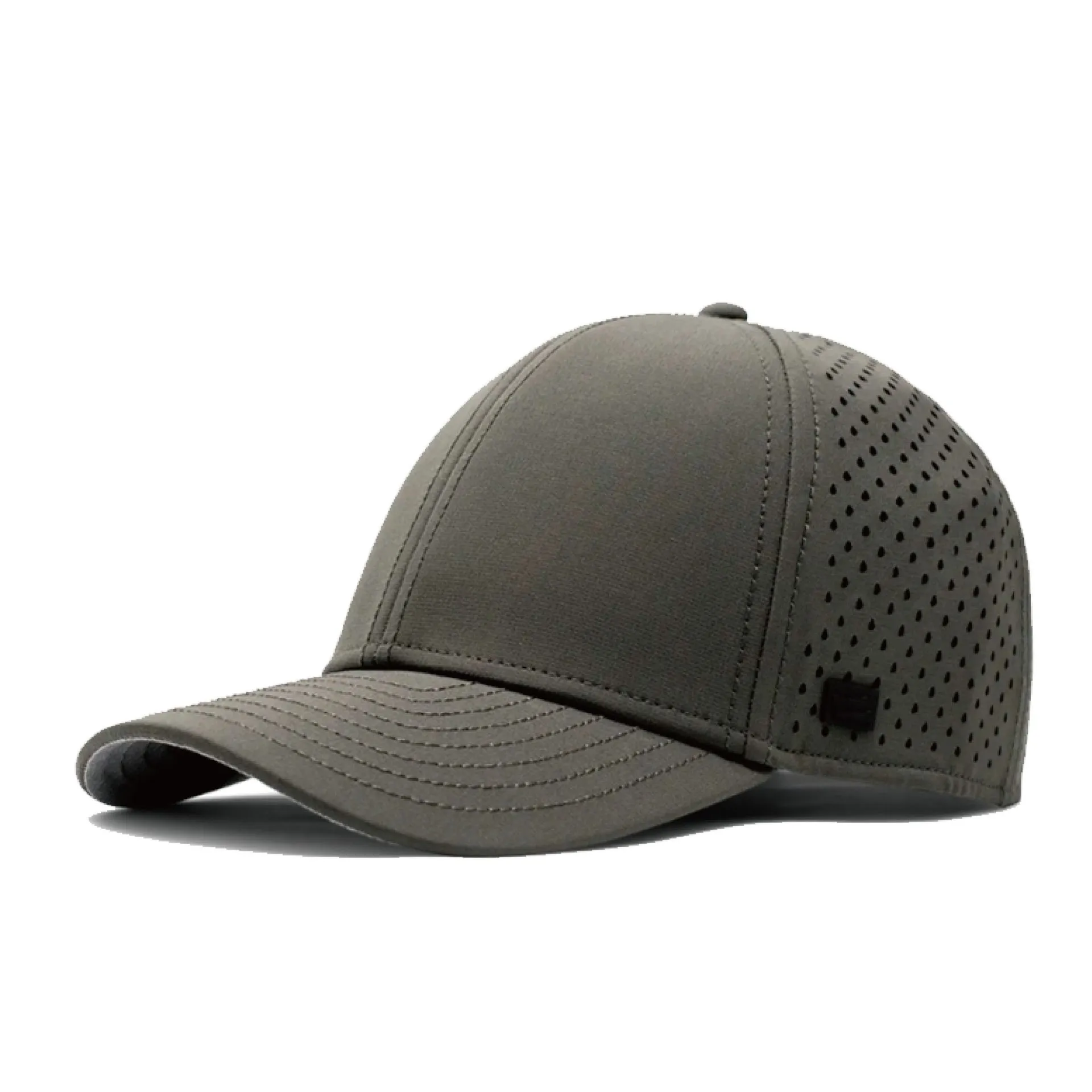
Build a trim list before choosing an exposure
List every metal component, including small parts hidden beneath a closure. Ask the supplier to identify the base material, plating or coating system and component reference. A color description such as antique silver does not define corrosion behavior.
Inspect contact points, crimped areas, cut edges and moving surfaces. Review the trim on the cap because assembly can create wear or expose surfaces that a loose component photograph does not show.
| Component | Review point | Potential consequence |
|---|---|---|
| Adjuster or buckle | Moving contact and coating wear | Stiff adjustment or visible surface change |
| Eyelet | Crimped edge and fabric contact | Staining or damage around the opening |
| Metal badge | Back face and attachment points | Surface change or stains on the crown |
| Hidden fastener | Inside contact with lining | A concealed source of staining |
Keep different exposure results separate
Ask the laboratory which procedure suits the metal, coating and intended use. Define whether samples are loose components, assembled trim or complete caps. State any pre-wear, cleaning or movement sequence that precedes the exposure.
ISO 9227 (2022 edition) describes salt spray testing of metallic materials. Its official record includes a 2024 amendment. It does not set a cap-specific exposure duration or a product acceptance limit. Have the laboratory identify the applicable edition and amendment in the test plan.
Salt spray results alone do not establish a service-life prediction in a natural environment. Keep any field observation separately identified, with the actual use and care history. A supplier's chamber-hours statement needs the conditions and evaluation that produced it.
Write appearance and function criteria
Decide what you will inspect after exposure and any specified recovery or cleaning step. Review visible corrosion, coating change, staining on adjacent fabric and movement of the mechanism. Photograph the same faces before and after the exposure.
| Assessment | Required definition | Record |
|---|---|---|
| Trim appearance | Areas, viewing conditions and defect descriptions | Matched before-and-after images |
| Fabric staining | Which neighboring colors and surfaces to inspect | Location and extent using agreed criteria |
| Function | Closure movement and any measured checks | Observation or result under the agreed method |
| Assembly | Attachment and skin-contact review | Separate findings for the finished cap |
A decorative color change and loss of closure function have different consequences. Agree the decision rule for each. Do not collapse both into an unexplained pass stamp.
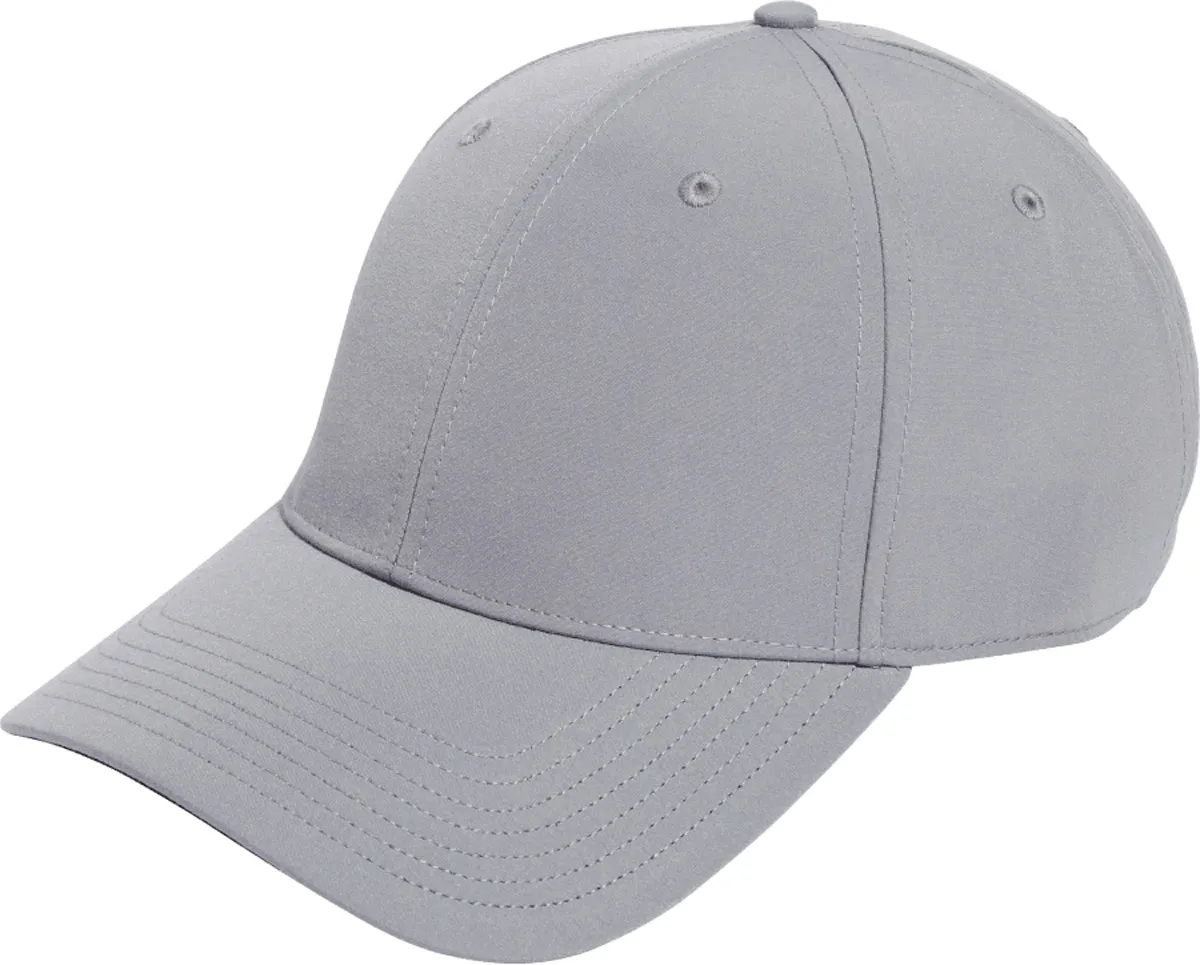
Test contact with the actual cap materials
A pale sweatband can reveal staining differently from a dark shell. Include the relevant adjacent materials when the risk is transfer or discoloration. Record whether the stain begins at the metal, thread, adhesive or dyed fabric.
Review care instructions and storage conditions alongside the test. A damp cap held inside sealed packaging creates a different history from a cap dried after use. If the complaint concerns that history, reconstruct it in an identified internal trial instead of assuming one laboratory exposure explains everything.
Use the closure testing guide for adjustment and attachment checks. The corrosion review adds exposure-specific evidence to that functional record.
Link approval to the supplier and trim lot
Retain the approved component reference and finish sample. Ask for notice before a change of base metal, plating supplier, finish thickness specification or manufacturing route. Similar appearance is insufficient evidence that the replacement behaves the same way.
At incoming review, identify lots before mixing them. Keep inspection findings traceable to the caps and cartons produced from each lot. This makes a later problem easier to contain and prevents a correction from being applied to unaffected stock.
ISO 10007 (2017 edition) provides general guidance on configuration management. A buyer can apply the underlying discipline by keeping component identity, change approval and current status together; this article does not claim JoinTop certification to that standard.
Questions about corrosion requirements
Does a stainless steel description settle the requirement?
Request the exact material and finish specification. Review the actual component and intended exposure. A broad material name cannot replace the agreed evidence.
How many salt spray hours should a cap buckle pass?
There is no universal duration for all cap buckles. The buyer and laboratory should choose an exposure and criteria appropriate to the intended product and claim.
Does a laboratory pass guarantee outdoor lifespan?
A pass applies to the defined specimen, exposure and criteria. Keep real-use evidence separately documented rather than turning chamber time into an unsupported lifespan claim.
Why inspect surrounding fabric?
A trim may still function while discoloration transfers to the cap. Review neighboring fabric colors and the assembled contact points when staining matters to the brand.
What should trigger a new trim approval?
Review changes to the material, coating system, supplier, geometry or attachment process. Retest the properties affected by the change before accepting bulk use.
Prepare a trim review for your cap project
Review our performance cap options and custom trim choices. Send your brand website, style, quantities per style and color, logo files, target market, destination and delivery date through Contact Us or the inquiry form below, with any corrosion photographs or existing trim reports.


 EN
 ES
 FR
 AR
 JA
 KO
 RU
 DE
 PT
 IT
 TR