

Performance cap reorder consistency requires a current specification and an identifiable production reference. Before repeating a style, compare new material lots, fit, decoration and packing with the approved requirements. An old purchase order or a cap pulled from worn retail stock cannot describe every detail needed for a repeatable production run.
This guide gives brand buyers a replenishment review that separates intentional updates from unintended drift. It is useful for core golf, running and outdoor styles that must remain recognizable across seasons.

Decide which reference controls the reorder
Keep a sealed or otherwise protected reference from approved production, an accessible working sample and the specification revision. Record what each reference is for. A working sample can acquire wear or contamination, while a protected reference can remain available for disputed appearance checks.
Check the age and storage history of physical color references. Compare new lots under controlled conditions and use the agreed color standard. If the reference itself has changed, resolve that issue rather than asking a supplier to reproduce a damaged or faded cap.
Review changes since the previous order
Ask for a written declaration of proposed changes in fabric, finish, trim, factory, equipment or decoration route. Confirm whether the old components remain available. An unchanged style name can conceal a different supplier reference.
ISO 10007 (2017 edition) provides configuration-management guidance. In a cap reorder, keeping the approved bill of materials, current revision and change decisions together helps prevent an obsolete document from controlling new production.
| Reorder check | Compare with | Decision needed |
|---|---|---|
| Fabric and finish | Approved references and relevant reports | Same specification or new approval |
| Fit and measurements | Method sheet and retained cap | Within agreed tolerances |
| Logo | Artwork revision and physical standard | Size, placement and appearance accepted |
| Color assortment | Color standard and order breakdown | Each color approved for the order |
| Packaging | Current packing instruction | Ready for the destination and channel |
Approve the new lot before comparing finished caps
Review fabric shade, face, handfeel and relevant dimensions before cutting. Check trims against the component references. Record supplier and lot identities so that a discrepancy discovered later can be traced to its source.
Use the same method and specimen condition for comparative tests. For example, comparing one fabric after care with another in its initial state mixes two variables. If care affects the brand requirement, agree the same relevant exposure for both.
ISO 6330 (2021 edition) describes domestic textile washing and drying procedures. It can support a consistent conditioning plan, but the cap's appearance and dimensional acceptance rules still belong in the product specification.
Check a first production set against the whole reference
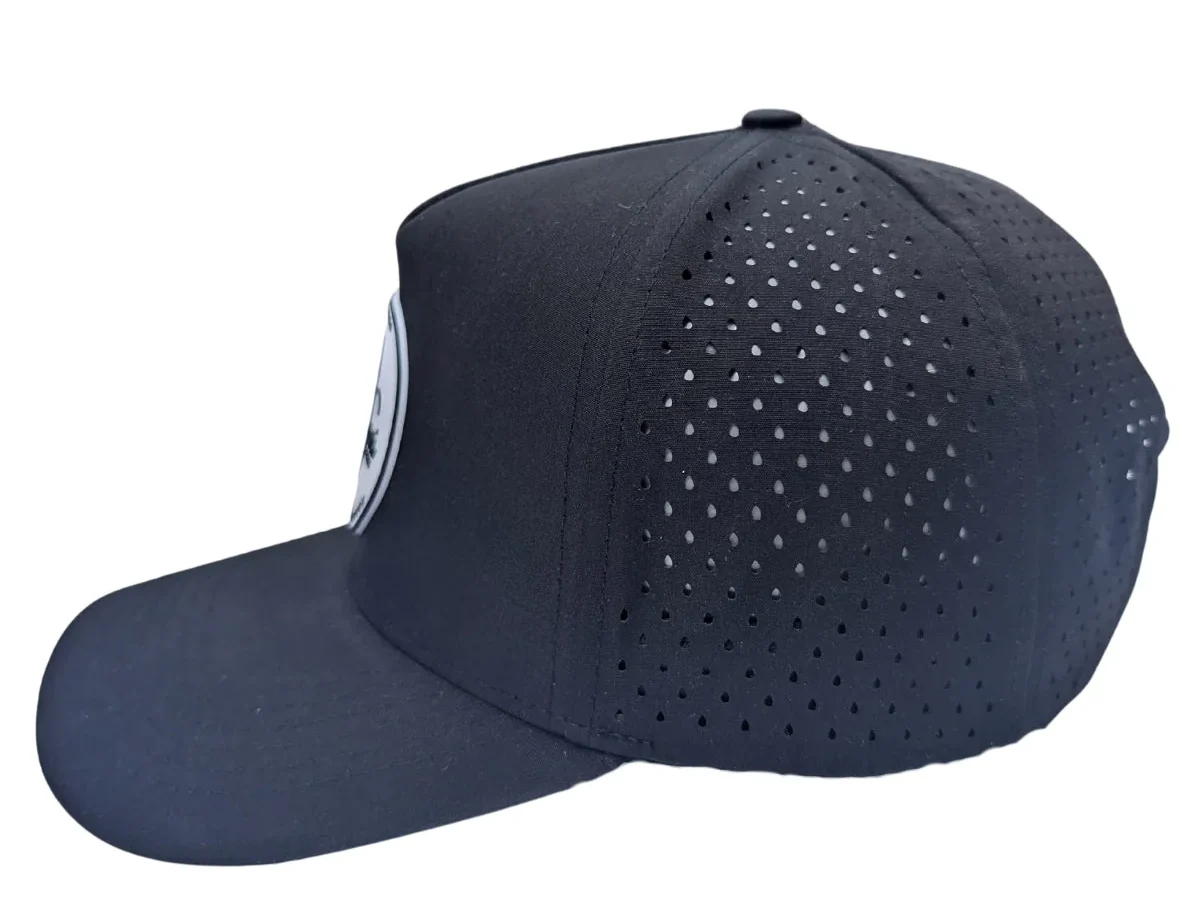
Compare finished caps from the new run with the retained reference before production advances too far. Use consistent closure settings and measurement methods. Review crown depth, opening, visor curve, seam placement, sweatband construction and decoration.
A cap can measure correctly at the opening and still feel different because the sweatband, crown support or pattern has changed. Record those findings individually. A single approval photograph rarely captures inside construction and fit together.
| Observation | Possible review route | Evidence to retain |
|---|---|---|
| Different crown silhouette | Pattern, fabric stiffness, support and pressing | Matched views and component references |
| Changed opening feel | Sweatband, closure and measurement condition | Measurements and fit notes |
| Logo appears shifted | Datum, crown shape and placement jig | Position measurements on supported caps |
| Lot-to-lot shade difference | Color standard, lighting and fabric lot | Shade records and labeled swatches |
Keep replenishment quantities separate from approvals
A changed order quantity can alter material availability and production timing. Confirm quantity per color, minimum material commitments and whether any small replenishment would use remaining stock. Do not assume a previous commercial quote automatically covers the new assortment.
Review the delivery date after outstanding material and sample decisions are visible. Discuss the cooperation milestones and identify what can proceed in parallel. Preserve approval time in the plan rather than treating it as spare time.
Close the order with a reference for the next one
Retain a representative sample and final inspection record from the accepted lot. Record approved deviations and whether they remain valid for a future order. A correction accepted once should not quietly redefine the permanent product standard.
Use the color tolerance guide, fit specification guide and packaging guide to keep supporting requirements linked to the same style record.
Questions about repeat cap orders
Can a reorder proceed from photographs alone?
Photographs help identify appearance, but they do not fully define materials, dimensions or inside construction. Use the current specification and physical references.
Should a brand keep an old production sample?
Keep an identifiable approved reference with a known storage history. Protect it from routine wear and retain the matching documents.
Does using the same factory guarantee the same cap?
Review the new run's inputs and setup. Material lots, suppliers and processes can change within one production location.
When is a new sample necessary?
Request a sample when changes could affect fit, appearance, care or a claimed property. Agree the evidence needed for an unchanged reorder separately.
What should accompany a reorder request?
Provide the previous order reference, current specification, quantities per color, required delivery date and any intended update. Include feedback from the previous lot.
Plan your next replenishment
For performance cap replenishment, share your brand website, style, quantities per color, artwork, target market, destination and delivery date through Contact Us or the form below. Attach the previous reference and describe which details must remain consistent.


 EN
 ES
 FR
 AR
 JA
 KO
 RU
 DE
 PT
 IT
 TR