

The snapback cap has become one of the most popular and versatile styles in headwear today. Its adjustable plastic snap, structured crown, and flexible decoration options make it a favorite for brands, sports teams, and promotional events.

If you’re planning to create your own snapback line, it’s important to understand how these caps are made. From fabric choices and crown construction to decoration, order quantities, and compliance, each step shapes the final product. This guide covers everything you need to know about snapback cap manufacturing so you can design and produce with confidence.If you’re ready to develop your first run, visit our snapback cap manufacturer page for capabilities and samples.
Snapback Basics & Anatomy

A snapback cap is defined by its adjustable plastic snap closure at the back and its structured, high-profile crown. Unlike fitted or dad caps, snapbacks keep a taller shape, often paired with a flat or slightly curved visor. This makes them popular in both streetwear and promotional events.For a quick primer, see what is a snapback hat.
To understand manufacturing, you should know the key parts of the cap. These include:
5 or 6 panels stitched together to form the crown
Buckram front panels that give the cap its stiff, structured look
Visor insert (usually PE or HDPE plastic) that keeps the brim flat or curved
Sweatband sewn inside for comfort and sweat absorption
Eyelets for ventilation and a fabric-covered top button for finishing
Labels and seam tape that carry branding and durability details
Each of these elements plays a role in how the snapback looks, feels, and performs, which is why factories focus on them in the manufacturing process.
Materials & Components (What You Must Specify)
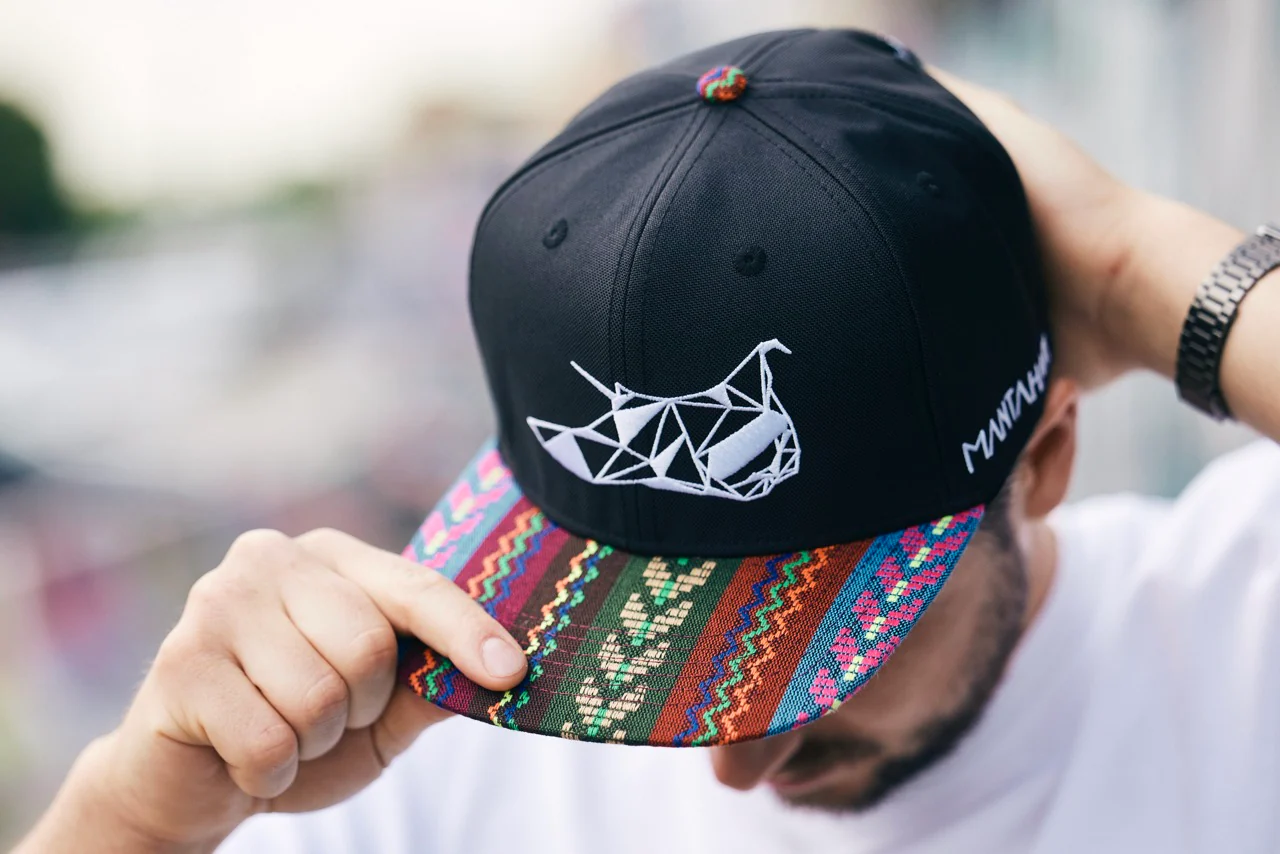
When you start snapback cap manufacturing, the materials you choose will shape the cap’s quality, comfort, and price. Every part of the cap matters, from the crown panels down to the snap strap. See our cap customization options.Here’s what you need to specify clearly in your tech pack.
Fabrics for the Crown
Cotton twill is breathable and soft, making it ideal for casual everyday wear. Wool blends are thicker and more durable, often used in premium or sports caps. Polyester and mesh fabrics are lightweight and moisture-wicking, which makes them perfect for performance gear or cost-effective promotional caps.
Supporting Materials
Buckram weight controls the stiffness of the crown, with heavier buckram giving a firmer structure. Sweatbands can be made of cotton for comfort or polyester for moisture control. Labels and seam tape provide branding and reinforcement, while small trims like the top button and eyelets add both function and finishing touches.
Visor & Closure
The visor insert is usually made of PE or HDPE plastic, designed to hold a flat or curved shape. The snap strap is most often made from polypropylene (PP) plastic and comes in different hole counts and colors. Many manufacturers color-match trims to the fabric for a more professional finish.
Eco-Friendly Options
Recycled PET (rPET) fabrics offer a sustainable option by reusing plastic waste. OEKO-TEX-certified components are tested for harmful substances and can be a strong selling point if you want to market your snapback caps as eco-conscious and safe.
Manufacturing Workflow (End-to-End)

The process of snapback cap manufacturing follows a clear step-by-step flow. Each stage affects quality and consistency, so getting it right is important. A well-prepared tech pack guides factories from start to finish and helps avoid costly mistakes.
Main Production Steps
The workflow begins with creating a detailed tech pack that includes all measurements, trims, fabrics, and artwork. Once this is approved, factories move on to sourcing the main materials such as fabrics, buckram, visor boards, snaps, and labels.
Panels are cut to precise patterns and stitched together to form the crown.
Seam tape and eyelets are added for reinforcement and ventilation.
The visor is built with a plastic insert, covered in fabric, and stitched to the crown.
A snap strap is installed at the back for adjustability.
Caps are shaped and steamed over molds to set their profile.
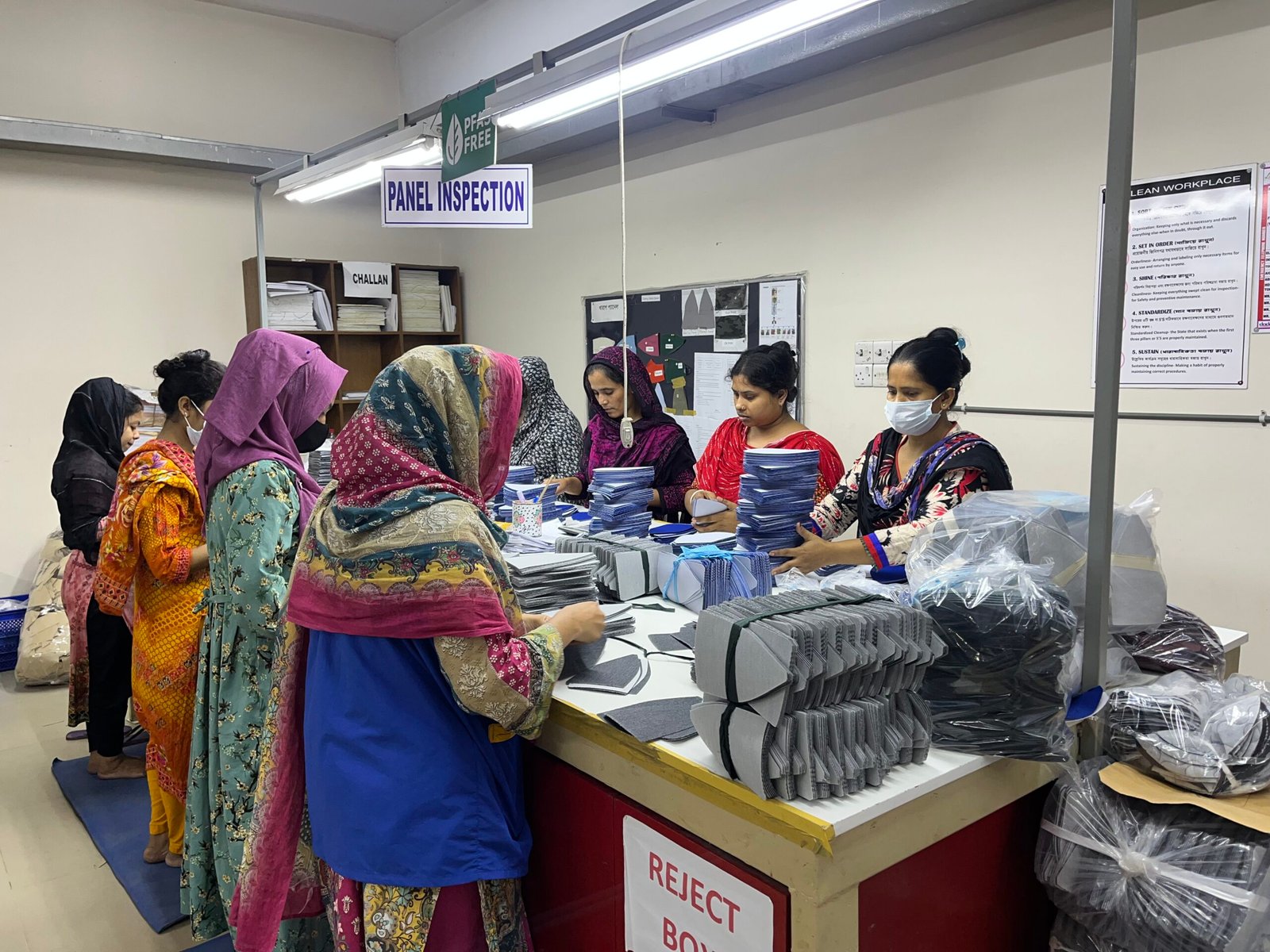
Quality control checks stitching, shape, and snap function before packing.
Pre-Production Samples
Before bulk production, factories usually provide a pre-production (PP) sample for approval. This sample helps you spot issues early and request changes.
When reviewing, always check:
Fit: crown height and overall shape
Visor: flat or curved, as designed
Colors: fabric, snaps, and trims should match
Logos: embroidery or print placement and quality
This step ensures your caps are accurate before mass production begins.
Decoration Options & Artwork Rules
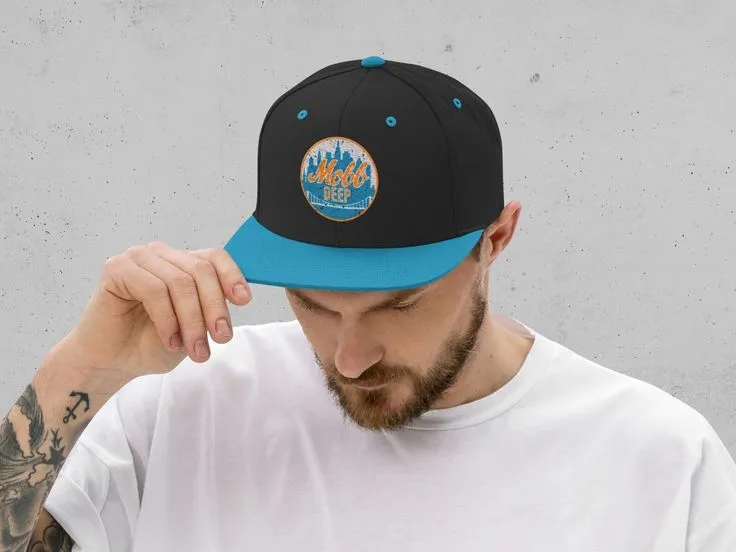
How you decorate a snapback cap has a big impact on its look and value. From embroidery to patches, the right method helps your design stand out while keeping production practical and cost-effective.Browse our best snapback hats for ideas.
Common Decoration Methods
Flat embroidery: classic, clean, and suitable for most logos.
3D or puff embroidery: uses foam under stitching to create a raised effect, popular for bold lettering.
Patches: woven, embroidered, or leather patches add texture and dimension.
Screen or heat transfer: ideal for detailed artwork with multiple colors.
Sublimation panels: allow all-over prints on selected parts of the cap.
Artwork Rules to Follow
Not every design works well on a snapback, so factories often set limits. Minimum line widths ensure embroidery doesn’t collapse, while satin borders are needed for puff embroidery to hold its shape. Logo placement also has tolerances—too close to seams or curved areas can cause distortion. Keeping artwork simple and bold usually delivers the best results on structured caps.
Sampling, MOQ, Lead Time & Cost Drivers

Getting your production schedule and budget right depends on understanding how samples, minimums, and costs work in snapback cap manufacturing. Knowing these factors helps you plan ahead and avoid surprises.
Typical Timelines
Factories usually need about 10–14 days to prepare a sample, depending on how complex your design is. Bulk production often takes 25–35 days, though lead times can stretch if you request custom fabrics, dyed snaps, or multiple embroidery techniques.
Minimum Order Quantities (MOQs)
MOQs aren’t random—they’re tied to material and process requirements. For example:
Fabric dye lots: mills require a minimum length for custom colors.
Custom snaps: injection molding has setup costs that push MOQs higher.
Embroidery complexity: more detailed or puff logos may raise minimums.
Cost Drivers
The price of a snapback isn’t just about fabric. Key cost levers include:
Fabric weight and type: heavier twill or wool blends cost more.
Decoration method: 3D puff embroidery adds labor and material.
Custom trims: unique labels, snaps, or patches raise expenses.
QC and testing: broader inspections and lab compliance add to unit cost.
Quality & Compliance (Ship Anywhere, Safely)
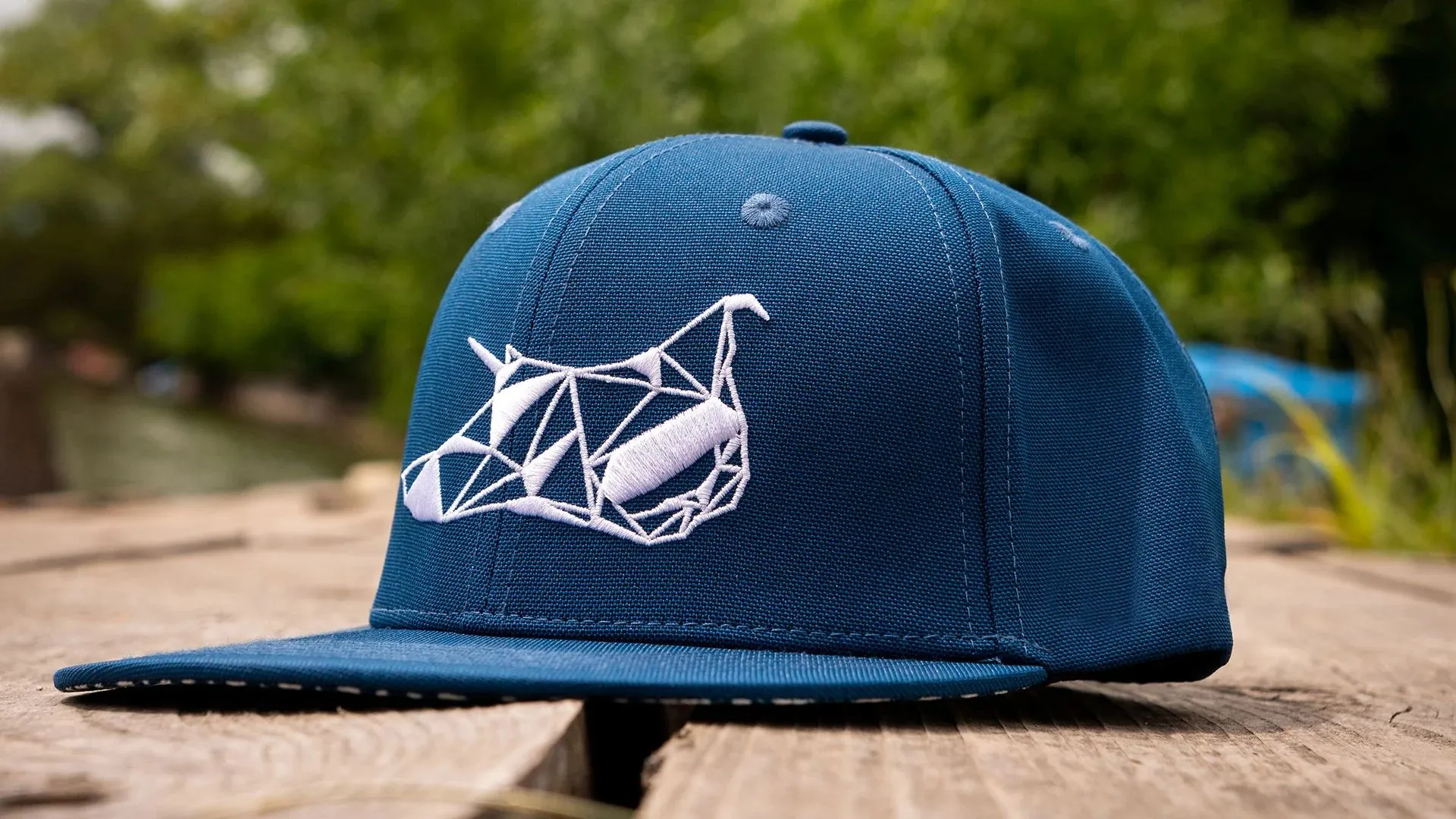
When producing snapback caps for different markets, quality and compliance cannot be ignored. Factories must follow clear inspection standards and legal requirements so your products are safe and ready to sell worldwide.
AQL Sampling and Quality Checks
Most manufacturers use AQL sampling (often Level II with 0/2.5/4.0 acceptance levels) to inspect batches. Inspectors look at details like:
Stitch per inch (SPI) to ensure durability
Symmetry of panels and seams
Snap retention to confirm the closure holds properly
Brim curvature for consistent shaping
Colorfastness so fabrics and trims don’t fade or bleed
These checks help catch defects early and keep your brand reputation strong.
Compliance for Global Markets
Different regions require different safety standards. Common rules include:
CPSIA: covers children’s products in the U.S., requiring tracking labels and lead testing.
Prop 65: California law that flags chemicals like phthalates in plastics or inks.
REACH: European regulation restricting substances such as azo dyes in fabrics.
To avoid delays, build a lab-test plan into your purchase order. This ensures fabrics, trims, and snaps are certified before mass production and shipping.
Ready to Get Started?

Create custom snapback caps that combine style, comfort, and durability. Choose the right fabrics, trims, and snap closures, and add standout details like puff embroidery, woven patches, or sublimated panels. With a clear tech pack and strong quality checks, your caps will be production-ready and built to impress.
At JoinTop, we provide full OEM/ODM support with partner factories in China, Bangladesh, and Vietnam. Enjoy fast sampling, competitive pricing, and flexible order options. Contact us today to request fabric swatches, explore design choices, and start your custom snapback cap manufacturing project.
 EN
EN  ES
ES  FR
FR  AR
AR  JA
JA  KO
KO  RU
RU  DE
DE  PT
PT  IT
IT  TR
TR