

Snapback hats have become synonymous with hip-hop culture, symbolizing individuality, authenticity, and style. From their origins in sports to their prominence in music videos and street fashion, these hats have evolved into a staple accessory for artists and fans alike.
Let’s delve into the reasons behind their popularity and how you can incorporate them into your wardrobe.
The Cultural Significance of Snapback Hats

Snapback hats originated in the 1950s as adjustable baseball caps, designed to provide a customizable fit for players and fans. The term “snapback” refers to the adjustable snap closure at the back of the cap, distinguishing it from fitted caps that lack such adjustability.
However, it was in the 1980s and 1990s that snapback hats found their place in hip-hop fashion. Artists like Run-DMC and LL Cool J popularized them, turning these caps into symbols of street credibility and personal expression. The adjustable nature of snapbacks made them accessible, while their flat brims provided a canvas for logos and designs that resonated with urban youth.
The adoption of snapbacks by hip-hop artists also reflected a broader trend of incorporating sportswear into everyday fashion. Brands like JoinTop Cap Company played a significant role in this movement, producing caps that featured team logos and other designs appealing to the hip-hop community.
Today, snapback hats remain a staple in hip-hop fashion, symbolizing individuality and a connection to the genre’s roots. Their continued popularity underscores the enduring influence of hip-hop culture on global fashion trends.
Iconic Hat Styles in Rap Culture
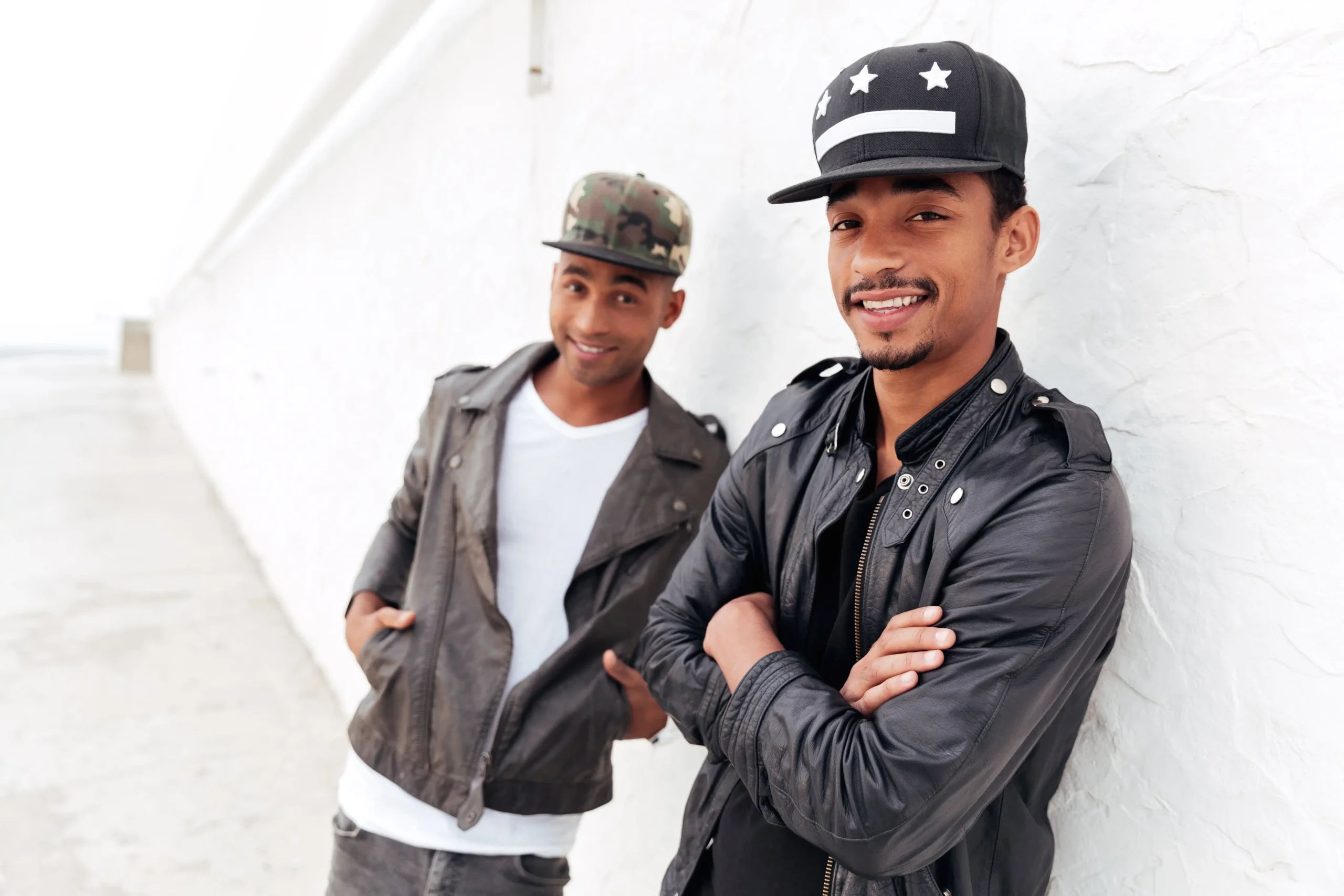
Beyond snapbacks, hip-hop has embraced various hat styles:
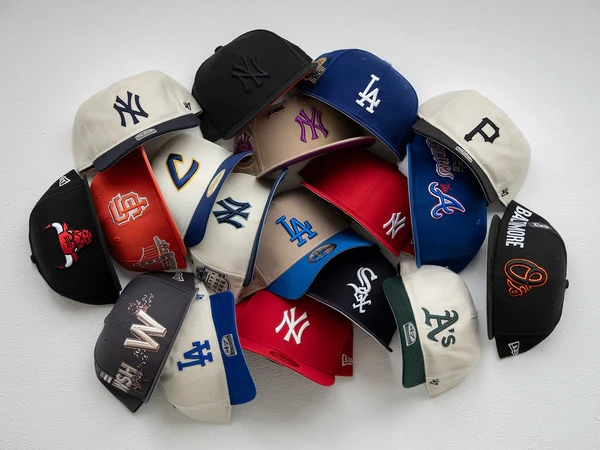
Fitted Caps: Known for their precise sizing and structured fit, brands like New Era’s 59FIFTY became iconic, especially when adorned with sports team logos.
Bucket Hats: Popularized by artists like LL Cool J, these hats offer a relaxed vibe and have seen resurgences in various eras.
Beanies: Favored for their simplicity and warmth, beanies have been a go-to for artists seeking a laid-back look.
Each style serves as a reflection of the artist’s persona and the message they wish to convey.
The Evolution of Snapback Designs
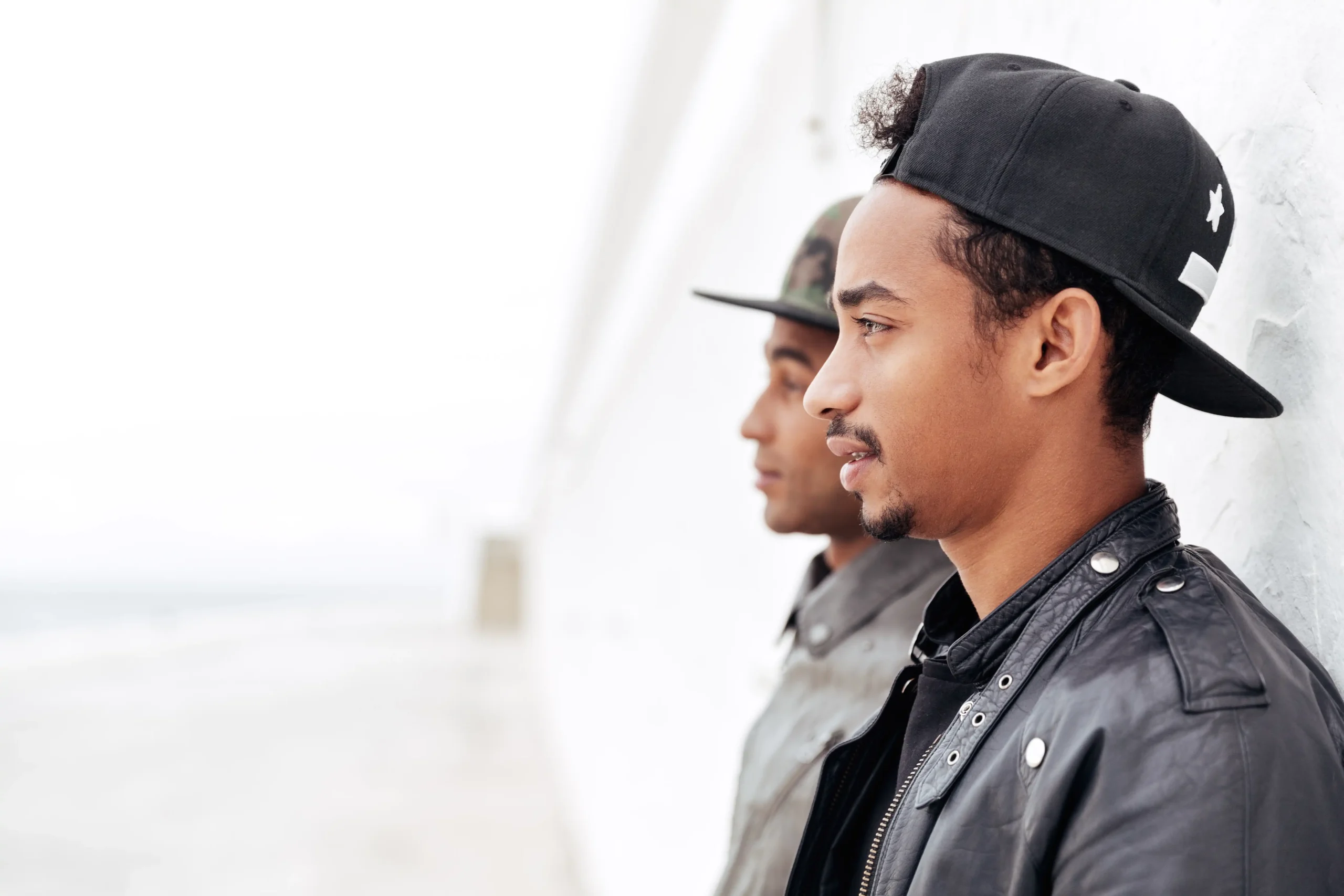
Initially simple in design, snapbacks have transformed over the years:
Classic Logos: Featuring sports teams or brand logos, these designs emphasize allegiance and identity.
Customized Designs: Artists and fans alike personalize snapbacks with unique embroidery, patches, and colors, turning them into statements of individuality.
Designer Collaborations: Luxury brands have entered the scene, blending high fashion with streetwear aesthetics, resulting in premium snapback offerings.
This evolution reflects the dynamic nature of fashion and the enduring appeal of snapbacks as a versatile accessory.
Customization: Making a Personal Statement
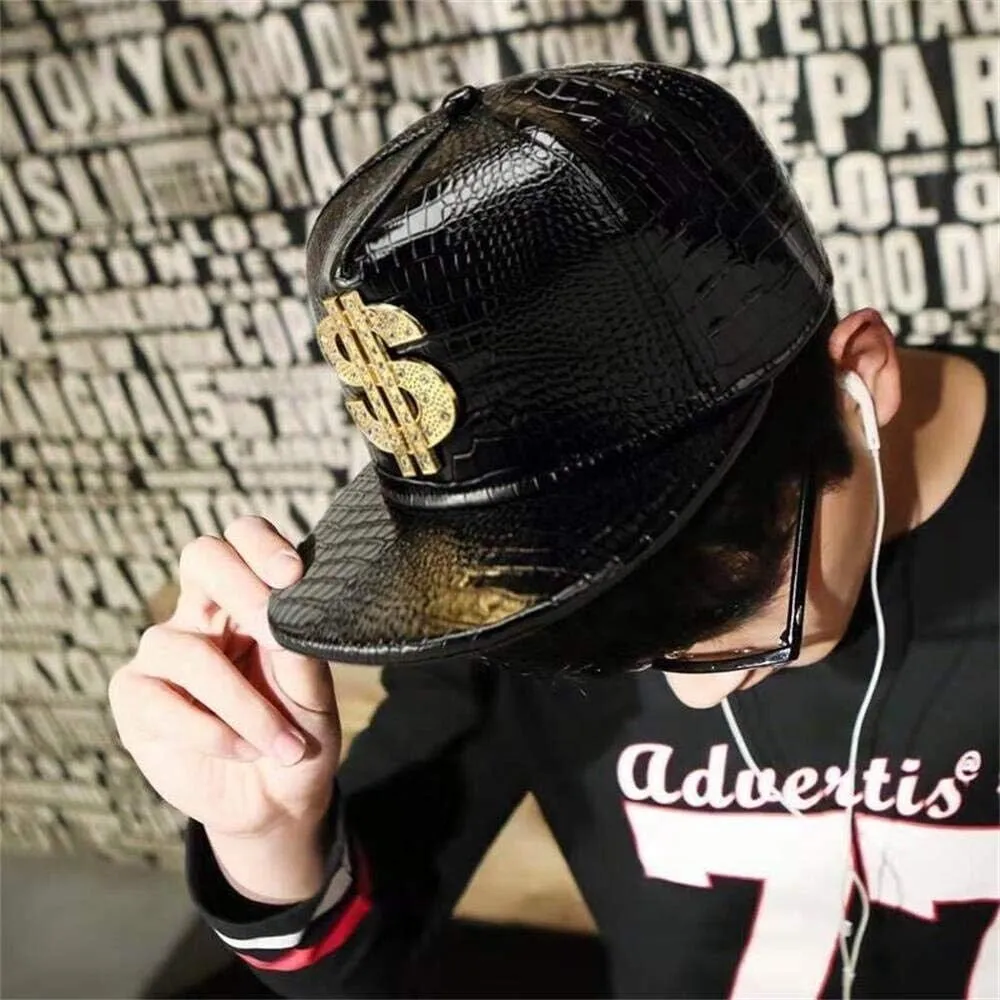
Customization has become a cornerstone of snapback culture. For artists, a personalized hat can represent their brand, message, or affiliations. Fans use customization to showcase loyalty, commemorate events, or simply express their unique style. With advancements in embroidery and printing technologies, the possibilities for personalization are virtually limitless.
Influence of Celebrities and Fashion Trends

Celebrities play a pivotal role in setting fashion trends:
Jay-Z: Often seen in classic snapbacks, reinforcing their timeless appeal.
Kanye West: Known for blending streetwear with high fashion, his hat choices often spark trends.
Rihanna: Her versatile styling showcases how snapbacks can be both edgy and chic.
Their endorsements and public appearances wearing specific styles or brands can significantly influence market trends and consumer preferences.
Styling Tips: Incorporating Snapbacks into Your Wardrobe

Integrating snapbacks into your outfits can elevate your style:
Casual Looks: Pair with jeans, sneakers, and a graphic tee for a relaxed vibe.
Streetwear Ensembles: Combine with hoodies, joggers, and high-top sneakers to embrace urban fashion.
Chic Pairings: Match with tailored pieces or statement accessories for a high-low fashion mix.
Remember, the key is confidence and ensuring the hat complements your overall look.
The Business Side: Snapbacks in the Fashion Industry
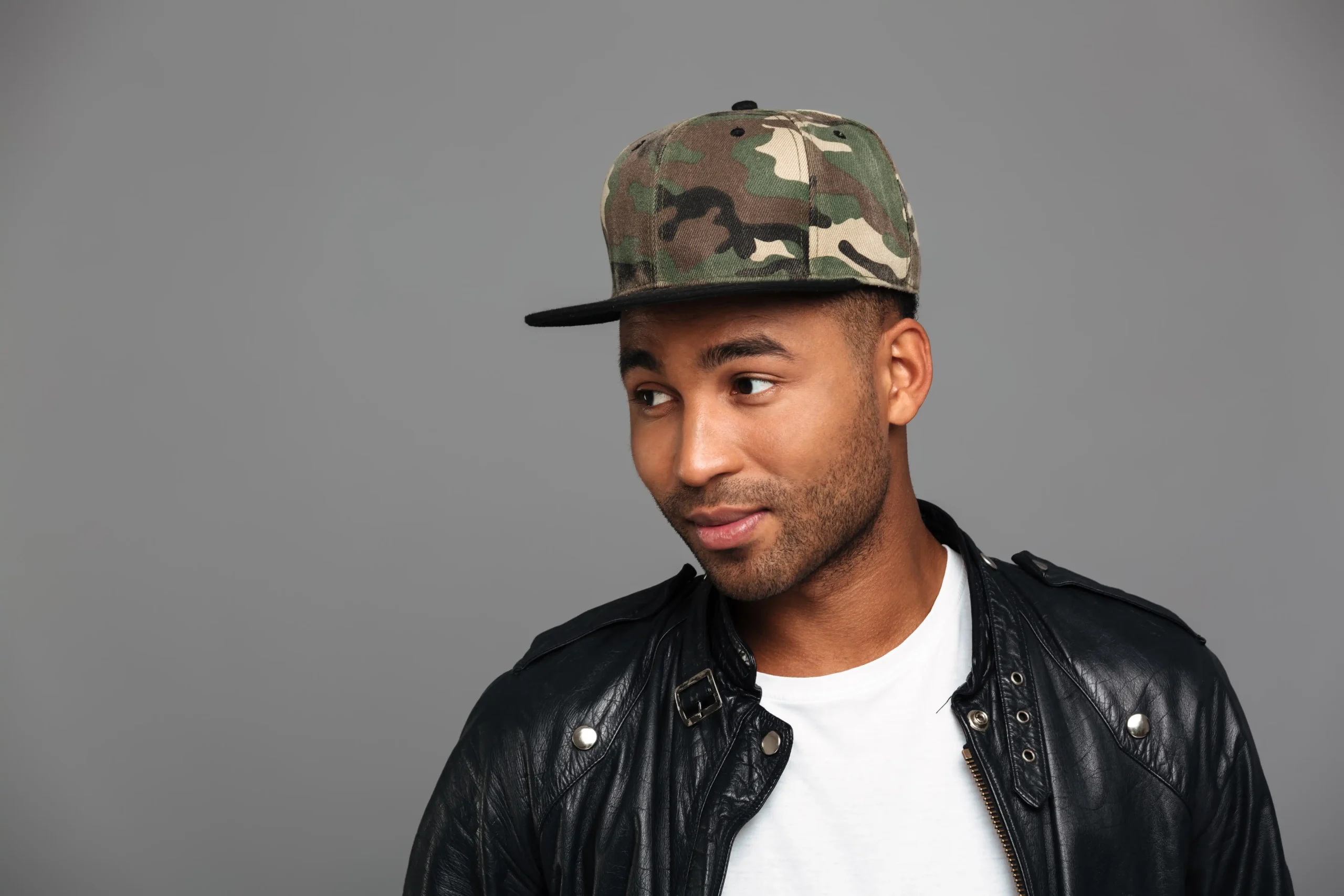
Snapbacks have transcended their functional origins to become lucrative fashion items:
Brand Collaborations: Partnerships between artists and brands lead to limited-edition releases that drive demand.
Merchandising: Artists use snapbacks as merchandise, offering fans a tangible connection to their music and persona.
Streetwear Integration: Snapbacks are integral to streetwear brands, often serving as flagship products that define collections.
Their versatility and cultural significance ensure their continued relevance in the fashion industry.
Conclusion
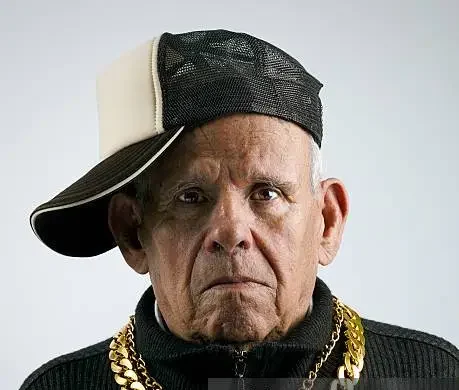
Snapback hats have cemented their place in hip-hop and fashion history, evolving from simple sports caps to powerful symbols of identity and style. Their adaptability, cultural resonance, and aesthetic appeal make them enduring favorites among artists and fans.
Ready to elevate your headwear game? Explore our diverse collection of snapback hats and discover how you can make a statement that’s uniquely yours. Visit Jointop or learn more about our cap manufacturing services.
 EN
EN  ES
ES  FR
FR  AR
AR  JA
JA  KO
KO  RU
RU  DE
DE  PT
PT  IT
IT  TR
TR