

The demand for sustainable fashion is no longer a trend—it’s an expectation. From everyday wear to promotional products, caps are no exception. Customers now want headwear that not only looks good but also respects the planet.For a quick overview of our capabilities, see caps & hats manufacturer.

In this guide, we’ll walk through what makes a cap truly sustainable, the best eco-friendly fabrics to use, and the latest trends shaping the industry. Whether you’re a brand, distributor, or designer, you’ll find practical insights to help you create caps that balance style, function, and environmental responsibility.
Scope & Impact Goals
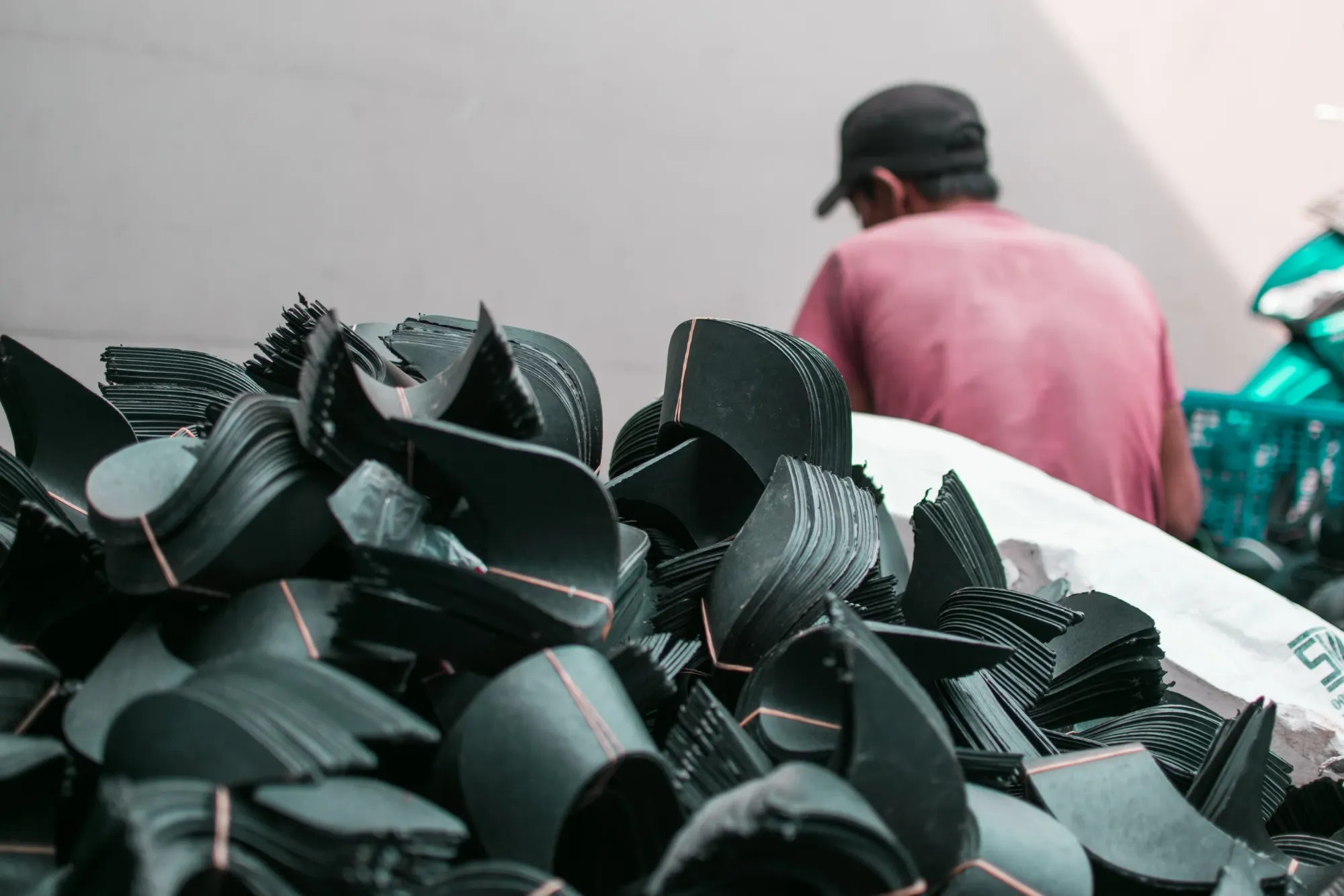
When we talk about sustainable caps, we mean more than just “green” fabrics. True sustainability in headwear covers the whole cycle—materials, chemical safety, fair labor, and long-lasting use. A cap made with recycled fabric but finished with harsh chemicals doesn’t fully meet the standard.For our approach to safer materials and fair labor, see JoinTop sustainability practices.
To measure progress, brands now use clear sustainability goals, such as:
Percentage of recycled or organic fibers in each cap
Use of PFAS-free finishes for water resistance.For performance applications, see performance waterproof hat manufacturer.
Reductions in water and energy use during dyeing and finishing
Supply chain traceability, from raw fiber to finished headwear
These key impact points help buyers and manufacturers know whether a cap is truly eco-friendly—or just using a label.
Priority Eco Fabrics (Pros, Trade-offs, Best Use)

The fabric you choose shapes both the look of a cap and its environmental footprint. Let’s look at the most popular eco-friendly fabrics used in sustainable cap manufacturing and when to choose them.
Organic cotton: Soft and breathable, perfect for casual or promotional caps. It avoids synthetic pesticides but may cost slightly more.
Recycled polyester (rPET): Strong, quick-drying, and durable. Ideal for performance or sports caps. Affordable at scale, though it’s not biodegradable.
Hemp blends: Naturally durable and moisture-wicking, great for outdoor and work caps. The rustic texture isn’t always suited for sleek fashion lines.
TENCEL™/Lyocell: Smooth and breathable with a premium feel. Works well for linings or sweatbands but adds higher costs compared to cotton.
Recycled nylon: Lightweight and tough, often used in athletic or weather-resistant caps. Pricing can be higher, and supply is still developing.Compare materials in nylon vs polyester waterproof sports caps.
By matching the right fabric to the right use—whether performance, casual, or premium—you balance style, function, and sustainability.
Dyes, Finishes & Components
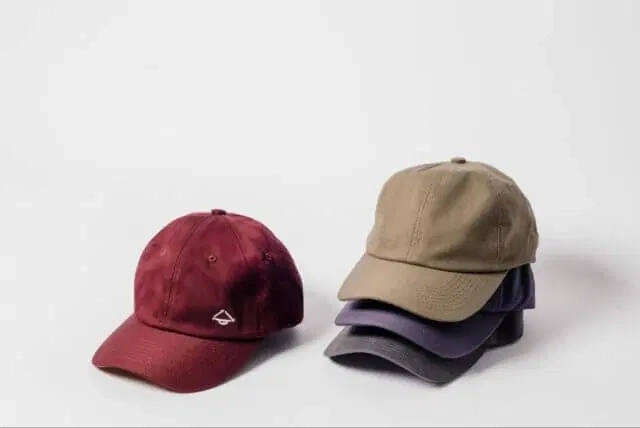
Choosing the right fabric is only part of sustainable cap manufacturing. The way colors, finishes, and small parts are handled also plays a huge role in reducing impact.
Low-impact dyeing: Dope or solution dyeing adds color during fiber production, cutting water and energy use compared to traditional methods.
PFAS-free water repellents: For performance caps, PFC/PFAS-free finishes keep rain out without harmful chemicals that linger in the environment.
Sustainable trims: Recycled brims, stiffeners, mesh, and snaps certified under GRS lower the hidden footprint inside every cap.
Eco embroidery and prints: Recycled polyester threads and water-based inks create bold logos with less waste and fewer toxins.
By upgrading dyes, finishes, and small parts, brands can make caps that are stylish, durable, and genuinely eco-friendly from top to brim.
Manufacturing Levers That Cut Footprint
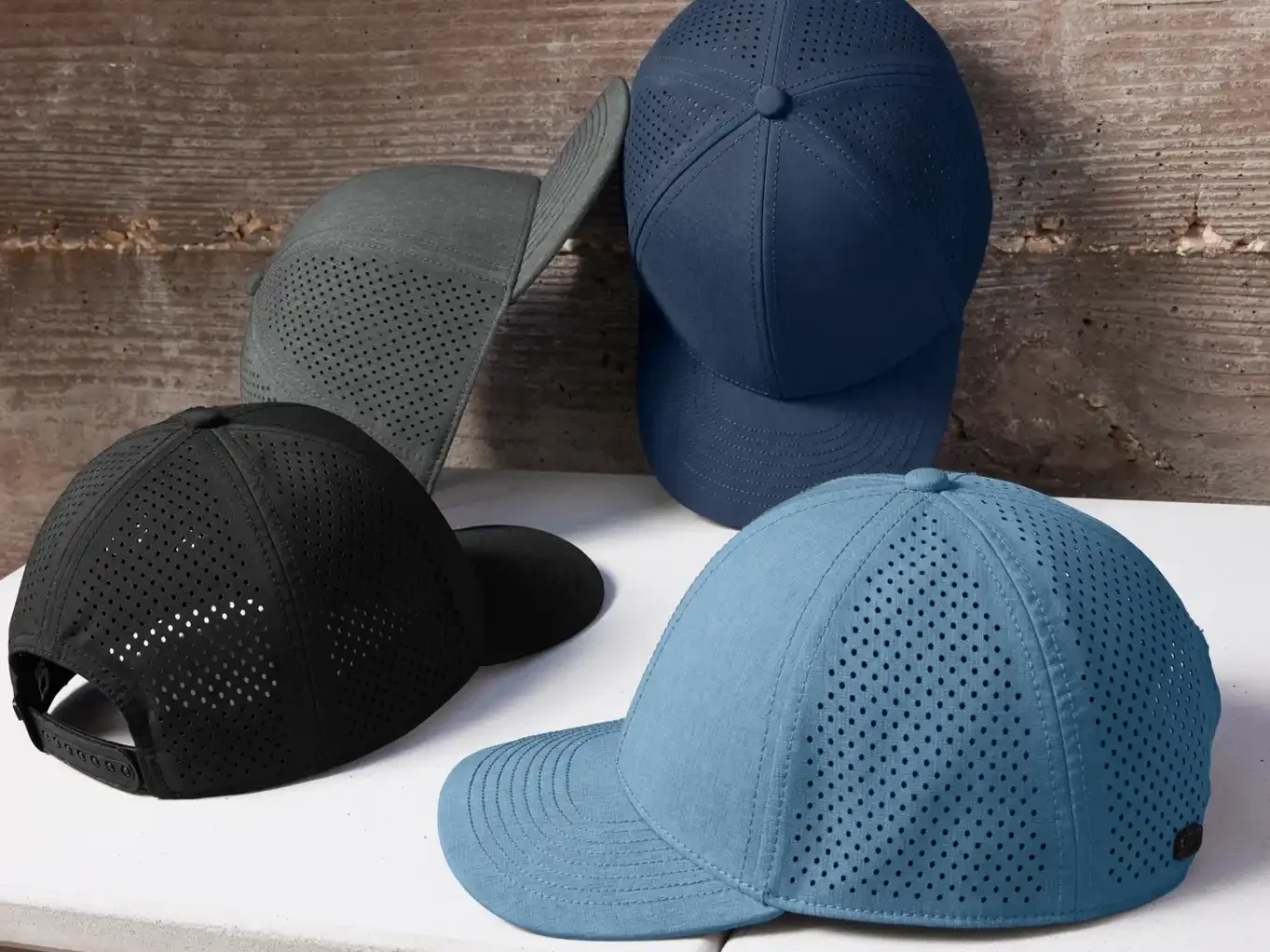
The way caps are made can have as much impact as the fabrics themselves. Smart manufacturing choices help brands lower waste, save resources, and prove their commitment to sustainability.
Marker optimization & fabric yield: Careful cutting reduces leftover scraps. Using recycled polyester or organic cotton efficiently keeps waste out of landfills.
Recycled stitching: Switching to recycled threads gives every seam a lower footprint without changing performance.
Repairability: Replaceable snaps or sweatbands extend a cap’s life, making it more sustainable than single-use fashion.
Take-back programs: Some brands now accept used caps for recycling or reuse, closing the loop.
Eco packaging: FSC-certified cartons, recycled fillers, or paper-based mailers cut plastic waste.
Consolidated shipping: Fewer, fuller shipments reduce transportation emissions.
When factories combine these steps, the result is a cap that’s not just eco-friendly in materials, but in every stage of its life cycle.
Proof & Traceability

Sustainability claims only matter if they can be proven. That’s why certifications and transparent tracking are now essential for eco-friendly cap manufacturing. They give buyers confidence and help brands avoid greenwashing.
GOTS: Guarantees organic cotton and ethical practices.
GRS: Confirms recycled content and chain of custody.
OEKO-TEX® / bluesign®: Focus on chemical safety.
ZDHC MRSL: Ensures restricted substances are not used.
Beyond certifications, brands are adopting traceability tools. Many now add QR codes or prepare for Digital Product Passports that list:
Material percentages
Care instructions
End-of-life guidance
This shift makes it easier for customers to see exactly how a cap was made, right down to the smallest detail.
Sourcing Reality: MOQs, Lead Times & RFQ Checklist

Even the most sustainable design has to work in the real world of sourcing. Manufacturers often set minimum order quantities (MOQs) that vary by fabric and finish. For example, organic cotton may have lower entry points, while dope-dyed rPET usually requires larger runs. Planning colors and styles together helps brands meet these minimums without excess stock.
When requesting quotes, it’s smart to ask for clear sustainability data. Your RFQ should include:
Composition by part with certification IDs (GOTS, GRS, OEKO-TEX)
Finish details (such as PFAS-free DWR or dope-dye process)
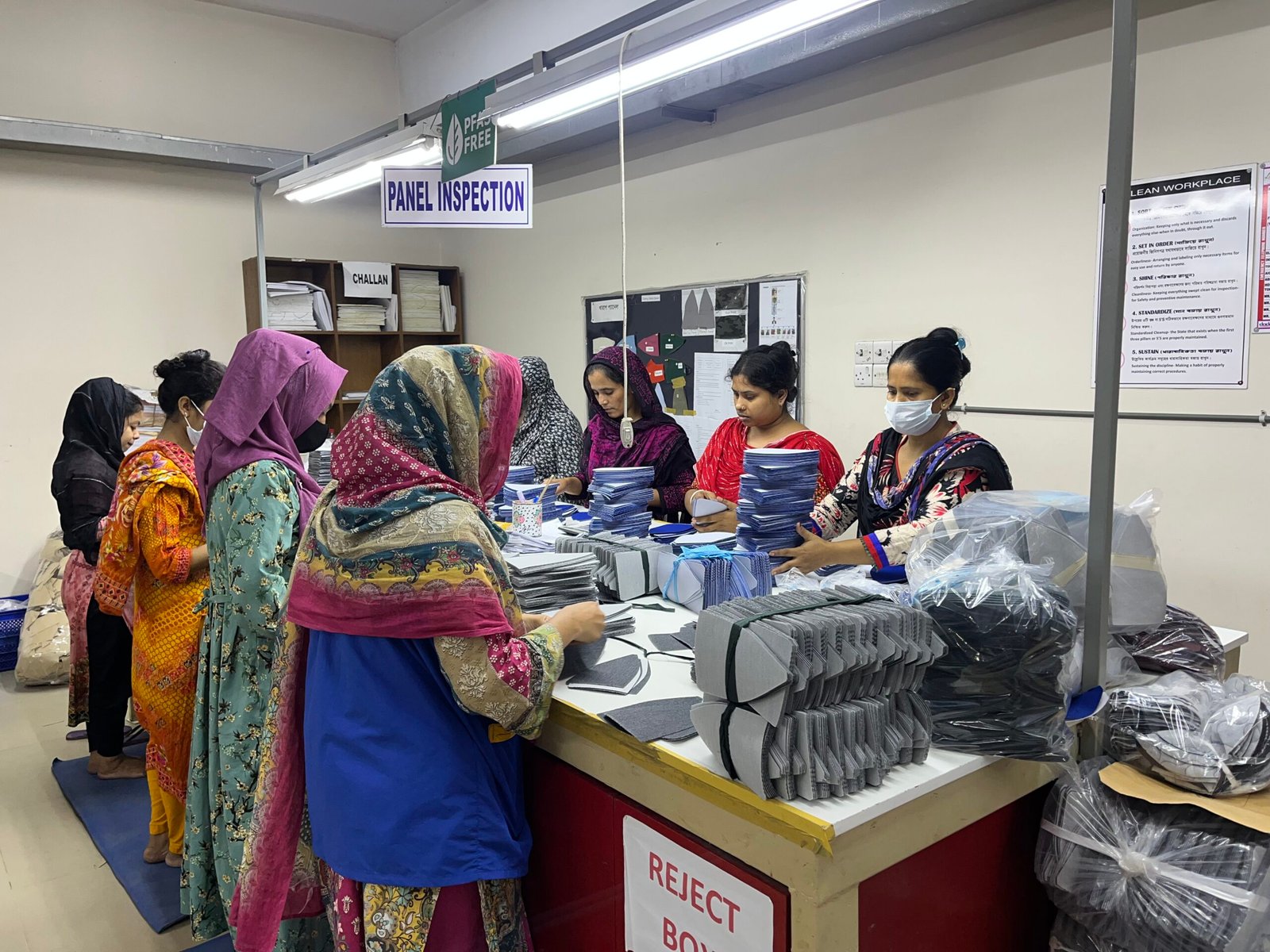
Factory audit status and chemical compliance reports
Traceability method (QR codes or lot tracking)
Packaging details like FSC-certified cartons or recycled mailers
By asking these questions upfront, you’ll avoid delays, reduce hidden costs, and ensure your caps meet the eco-friendly standards your customers expect.
Ready to Get Started?

Design custom sustainable caps that reflect today’s eco standards. Choose fabrics like organic cotton, rPET, hemp, or TENCEL™, and add low-impact finishes such as PFAS-free water repellents or dope-dyed yarns. Upgrade trims with recycled brims, GRS-certified snaps, and eco-friendly embroidery for a fully traceable, planet-conscious cap.
At JoinTop, we provide OEM/ODM support with partner factories in China, Bangladesh, and Vietnam. Enjoy flexible MOQs, fast sampling, and competitive pricing. Contact us today to request swatches, explore sustainable fabric options, and start your custom eco-friendly cap project.
 EN
EN  ES
ES  FR
FR  AR
AR  JA
JA  KO
KO  RU
RU  DE
DE  PT
PT  IT
IT  TR
TR