

Golf has always been more than a game—it’s a culture of tradition, style, and evolution. And nothing reflects that journey quite like the golf cap. From the wool bonnets worn on Scotland’s early courses to the sleek performance caps we see on today’s tours, headwear has followed the sport through every era.

The History of Golf Caps isn’t just about fashion; it’s a story of function, identity, and innovation. Each generation of players embraced a new style—whether flat caps, baseball caps, or modern rope hats—turning simple headwear into a lasting symbol of golf’s heritage and future.For practical tips on choosing the right style today, see this ultimate guide to choosing golf caps for every season.
Origins (15th–18th Century): Early Golf Headwear

When golf first took root in Scotland, players weren’t worried about style—they needed protection from wind and chill. Early golfers wore wool bonnets and simple flat-style caps, practical choices for the unpredictable weather.
Wool bonnets kept players warm on Scotland’s breezy courses.
Flat caps offered a short brim, giving slight shade while staying snug.
Headwear served function over fashion, long before logos or sponsorships became part of the game.
These early caps marked the starting point of golf’s long journey from simple necessity to a signature style.
19th–Early 20th Century: Flat, Ivy & Newsboy Become “Golf Caps”

As golf grew in popularity during the 1800s and early 1900s, new styles of headwear became linked with the game. The flat cap and its cousin, the ivy cap, were everywhere in clubhouses and on fairways. Their neat shape and short, stiff brim gave players both a polished look and some shade on sunny days.
Flat & Ivy caps: Low-profile, snug fit, usually made from wool or tweed.
Newsboy caps: Fuller crown with a button top, adding flair to the golfer’s style.
Signature look: Practical warmth combined with a touch of fashion, making these caps the first true “golf caps.”
Mid-Century Icons: From Club Traditions to Tour Identity

By the mid-1900s, golf caps had become a style signature on the course. Professional players leaned toward the flat and ivy caps, giving golf a refined yet sporty look. These designs weren’t just practical—they started to carry tradition and status.
Ben Hogan’s style: A neat, low-profile cap that inspired generations of golfers.
Straw and felt hats: Seasonal favorites that offered variety while keeping with classic golf culture.
Identity marker: Caps became part of how players expressed personality and tradition on tour.
TV Era to 1990s: Baseball Cap Supplants Tradition

When golf started appearing more on television, caps took on a new role. The baseball cap offered wide visibility for brands and gave players better sun protection during long rounds. The structured front panel also became the perfect place for sponsor logos, making it a natural choice for professionals.
Broadcast power: Baseball caps highlighted logos clearly on camera.
Tour adoption: By the 1990s, structured caps replaced flat styles as the standard.
Dual purpose: Practical sun coverage combined with marketing appeal.
1990s–2000s: Performance Caps & Sponsor Branding

As the game modernized, so did the gear. The classic cotton styles gave way to performance fabrics designed for comfort and durability. Polyester knits, mesh panels, and moisture-wicking technology kept players cooler during long rounds in the sun. Structured fronts helped caps hold their shape, making them look sharp from the first tee to the last hole.
Moisture-wicking polyester: Reduced sweat and kept caps lightweight.
Mesh ventilation: Improved airflow on hot days.
Structured fronts: Perfect for bold sponsor logos.
New role: Caps became both performance gear and essential parts of pro uniforms.
2010s–Today: Retro Revivals (Rope), Buckets & Streetwear Crossover

In recent years, golf caps have moved beyond pure performance to embrace heritage and style. The rope-trimmed “tour rope” cap has made a comeback, giving players a retro vibe that nods to the 1970s and ’80s. Low-profile fits also appeal to golfers who prefer a more casual, understated look.
Rope caps: Retro design revived for modern players.
Low-profile fits: Sleeker styles for everyday comfort.
Bucket hats: Offer broad sun coverage, growing in popularity again.
Streetwear crossover: Fashion collabs bring bold colors and fresh designs, making golf caps part of everyday style as much as the sport itself.
Defining Moments & Symbols

Golf caps aren’t just about sun protection—they’ve also created memorable moments in sports history. One of the most famous is Payne Stewart’s look at the 1999 U.S. Open. His ivy cap and knickers became instantly iconic, symbolizing tradition, individuality, and class.
Payne Stewart’s legacy: His style lives on as one of golf’s most recognized cap moments.
Cultural identity: Caps now carry more than function; they reflect player character and history.
Modern debates: Headlines like “Hatgate” show how caps can spark conversations about identity, sponsorship, and even player rights in golf today.
What’s Next: Tech Meets Tradition

The future of golf caps is a mix of innovation and heritage. Today’s designs are being built with advanced features while still nodding to the classic silhouettes that golfers love. From better sun protection to eco-friendly fabrics, the next generation of caps is about balancing style and function.
UV-rated fabrics: Offer stronger defense against harmful sun rays.
Recycled yarns: Sustainable materials reduce environmental impact.
Shape-memory brims: Keep their form after travel or play.
Bespoke retro designs: Classic looks reimagined with modern comfort.
Balanced design: High-performance materials paired with timeless styles.
Conclusion

The History of Golf Caps shows how headwear evolved from wool bonnets to flat caps, then to TV-friendly baseball styles and today’s rope and bucket revivals. Across every era, caps balanced protection, comfort, and identity—shifting with technology, media, and culture to become a true symbol of the game.
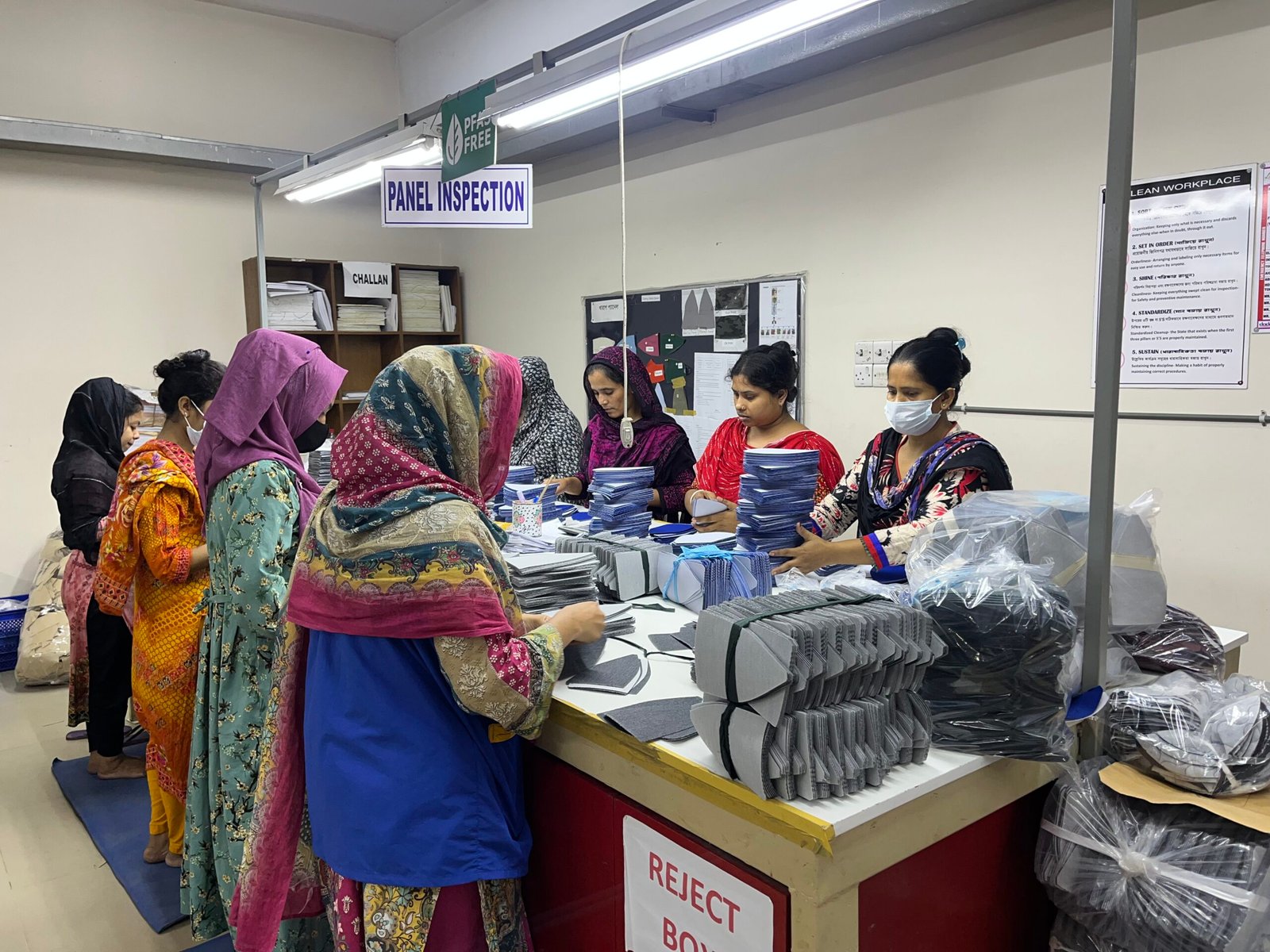
At JoinTop, we turn that history into modern product value. We provide full OEM/ODM support for custom golf caps. With local factories in China, Bangladesh and Vietnam, we support fast sampling, competitive pricing, and flexible order quantities.
Whether you’re building a heritage-inspired rope cap, a performance bucket, or a logo-forward tour cap, our headwear team can bring your idea to life—or design it with you from scratch. Contact our team to start your custom golf cap project today.
 EN
EN  ES
ES  FR
FR  AR
AR  JA
JA  KO
KO  RU
RU  DE
DE  PT
PT  IT
IT  TR
TR