

Hats are not just for fashion; they’re practical, too – from weather protection to personal style. Choosing the right material is key as it affects comfort, durability, and overall look.
In this guide we’ll look at all the different hat materials – from classic straw and wool to modern synthetics and blends. Each material has its own benefits for different needs and wants – whether you’re after breathability for summer or warmth for winter.
We’ll look at the pros and cons of each material, care instructions and even sustainable options for the eco-conscious consumer. Join us on this journey to find out how the right hat material can elevate your wardrobe and give you functionality and style for your lifestyle.
Hat Materials
Here are the most used hat materials:
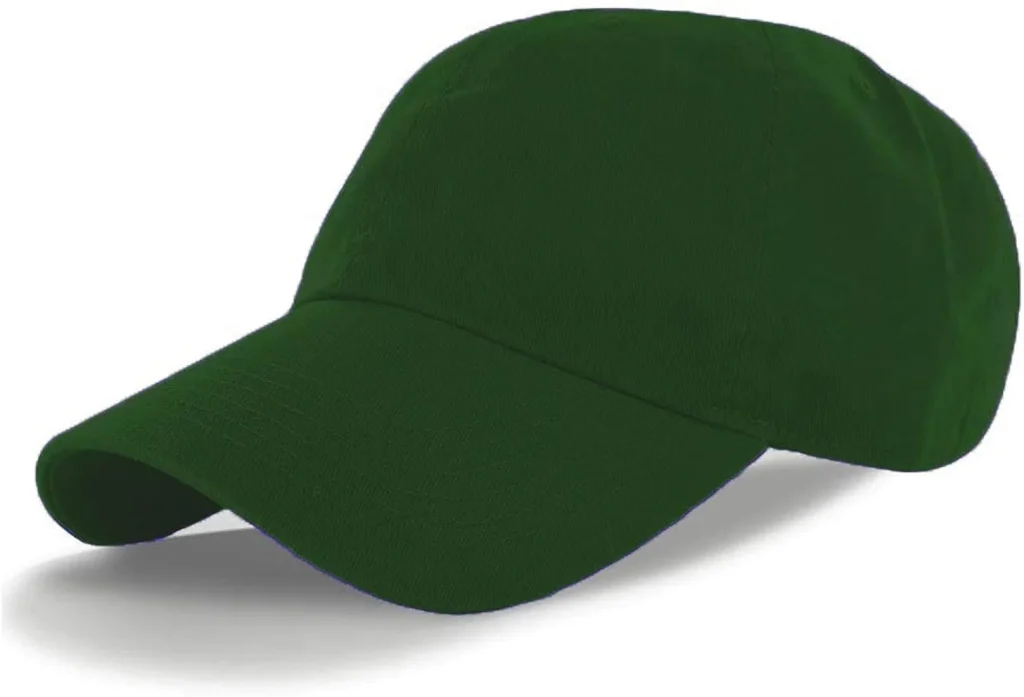
Cotton
The go-to for casual hats like baseball caps and fedoras. Cotton is durable for years with proper care. But can shrink if exposed to high heat and wrinkle easily. Cotton is versatile with many colors, patterns and textures.
Soft, breathable and comfortable in warm weather, cotton hats are perfect for everyday wear. Look for pre-washed cotton for a relaxed look and reduced shrinkage.
Pros:
- Softness and Comfort: Soft against the skin for extended wear.
- Breathability: Allows air flow and keeps the head cool in warm weather.
- Moisture Absorption: Absorbs sweat and keeps wearers dry.
- Hypoallergenic: Less likely to cause skin irritations for sensitive skin.
Cons:
- Durability: Less durable than synthetic materials and will wear out faster.
- Shrinkage and Wrinkling: Can shrink and wrinkle over time.
Velvet
Luxurious and sophisticated for fedoras and dress hats. However, delicate matters need to be handled with care. Prone to crushing and matting, velvet hats require brushing and avoiding rough surfaces.
The payoff is a soft sheen and timeless style. Velvet hats are best for occasional wear or formal events due to their delicacy.

Pros:
- Luxurious Look: Velvet gives a rich look, perfect for formal hats.
- Soft Texture: Feels soft and plush.
- Insulation: Velvet provides good warmth for cooler weather.
Cons:
- Maintenance: Velvet needs special care to keep its look and is not water resistant.
- Weight: Heavier than other materials and may not be suitable for all wearers.
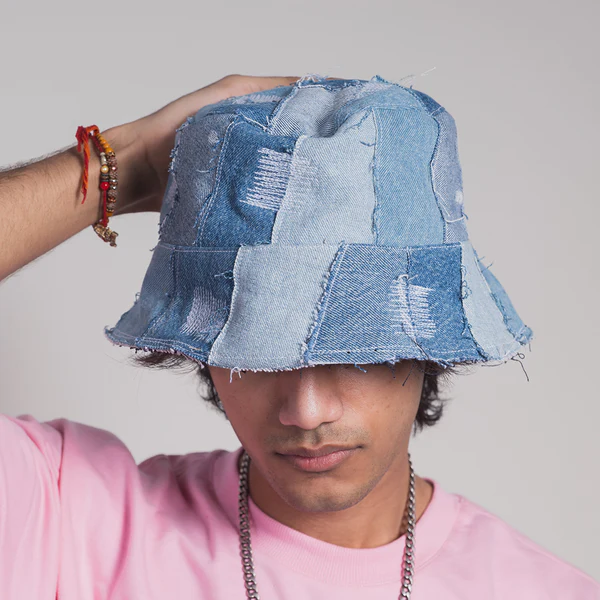
Denim
A tough fabric for casual caps and bucket hats. Denim’s strength means it’s durable and can withstand wear and tear. The look is casual, rugged, and textured, perfect for laid-back styles.
Stiff at first, denim softens with wear and becomes comfortable in warm weather. Look for a pre-washed denim hat for a softer feel from the start.
Pros:
- Durability: Denim is a strong fabric, can withstand wear and tear, and is long lasting.
- Casual Style: Gives a trendy casual look for various outfits.
- Versatility: Can be styled in many ways, suitable for different occasions.
Cons:
- Weight: Denim can be heavier than other fabrics, uncomfortable in hot weather.
- Limited Breathability: Not as breathable as lighter fabrics like cotton or linen.
Wool
The winter hat champion, wool provides warmth and insulation for beanies and fedoras. Naturally water resistant and resilient, wool is durable. The classic look comes in various textures, from smooth merino wool to fluffy cable knits.
Softness varies, merino wool is the softest. But some people find wool a bit itchy. Look for wool blends or merino wool for a softer feel against the skin.

Pros:
- Insulation: Wool provides excellent warmth for winter hats.
- Moisture-Wicking: Can absorb moisture without feeling wet, keeps head dry.
- Durability: Wool is resilient and wrinkle resistant.
Cons:
- Allergies: Some people are allergic to wool fibers.
- Care Requirements: Wool needs special cleaning to maintain its shape and texture.
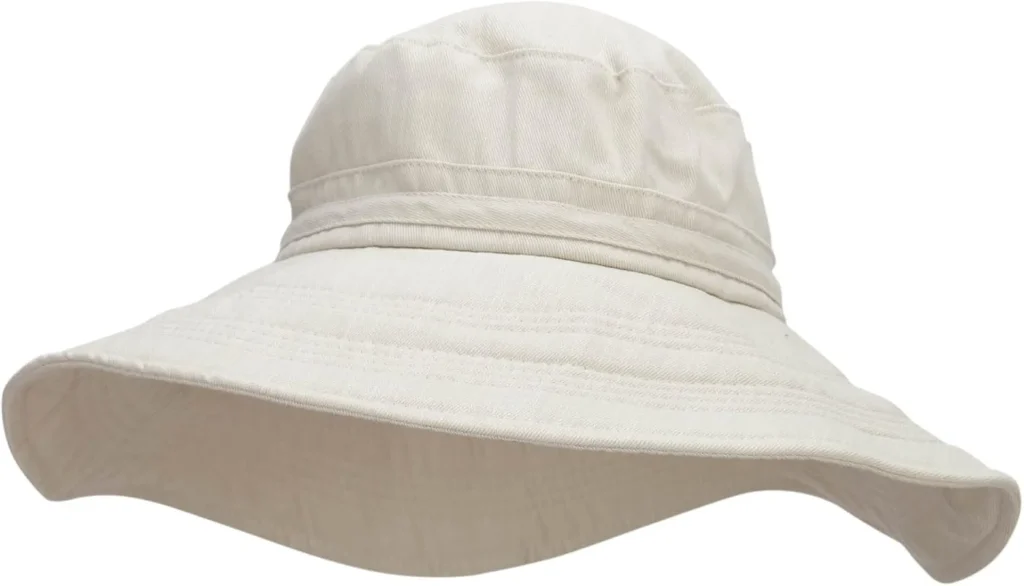
Linen
A breathable and cool fabric for summer hats like fedoras and sun hats. Linen’s strength gives good durability but wrinkles are a problem. The natural elegance with a subtle sheen is perfect for warm weather.
Linen hats are light, crisp and very breathable, keeping you comfortable under the sun. For a more relaxed look, let the linen wrinkle or opt for a linen blend that wrinkles less.
Pros:
- Breathability: Linen is very breathable for hot weather.
- Moisture Absorption: Absorbs moisture well, keeps head cool.
- Elegant Look: Linen has a natural sheen, looks sophisticated.
Cons:
- Wrinkling: Linen wrinkles easily, takes away from its look.
- High Maintenance: May require more care than other fabrics.
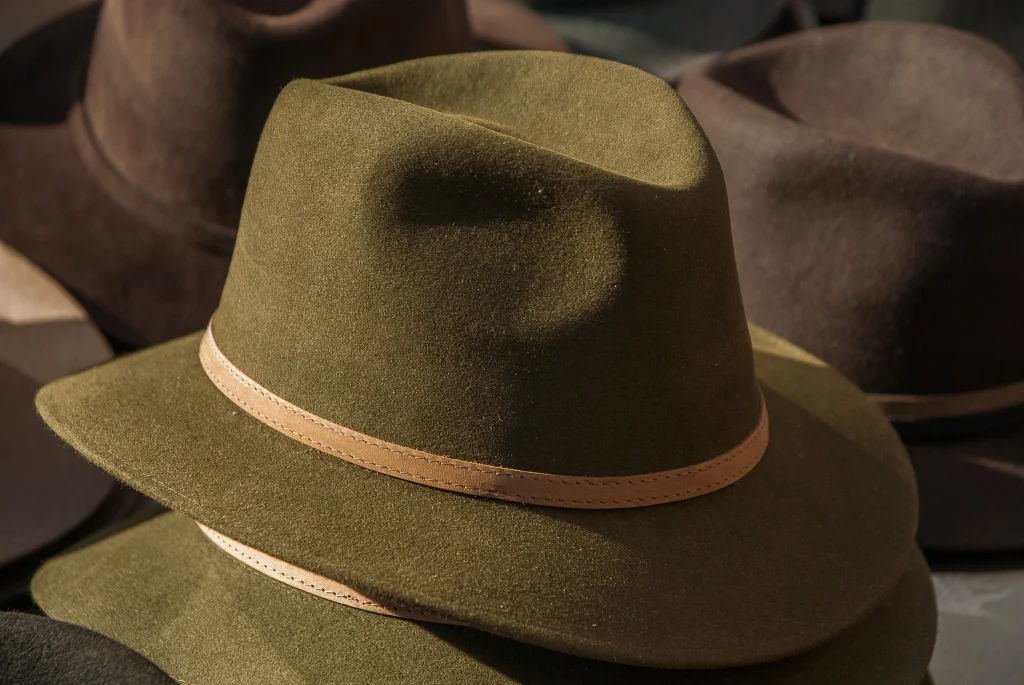
Felt
Not a fabric, felt is a compressed material made from fur, wool or synthetic fibers. Used for fedoras and dress hats.
Felt is durable and can be shaped and molded to create various styles. The look is classic, smooth or textured depending on the fibers used.
Felt can be dyed in various colors, versatile for different styles. The feel can be soft and luxurious with rabbit fur felt too stiff and structured with synthetic blends.
Pros:
- Insulation: Felt provides excellent warmth and is used for winter hats.
- Shape Retention: Holds its shape well for structured hats.
- Durability: Felt is wear and tear-resistant.
Cons:
- Weight: Felt can be heavier than other fabrics.
- Cleaning Difficulty: Hard to clean without damaging the fabric.
Straw
The ultimate summer hat, straw gives cool and light comfort for fedoras, boaters and sun hats. Durability varies depending on the straw type. Panama hats made from woven palm leaves are prized for its quality and longevity while straw hats made from rice straw are more delicate.
The natural and airy look comes in various textures and colors and adds a touch of laid-back sophistication to summer outfits. Straw hats are light, cool and breathable, perfect for hot days.

Pros:
- Lightweight: Straw is very light for summer wear.
- Breathability: Allows air to circulate and keeps the head cool.
- Natural Look: Straw hats have a classic, casual look.
Cons:
- Durability: Straw is fragile and may not withstand heavy use.
- Limited Protection: Offers less protection from rain and cold weather.
Leather
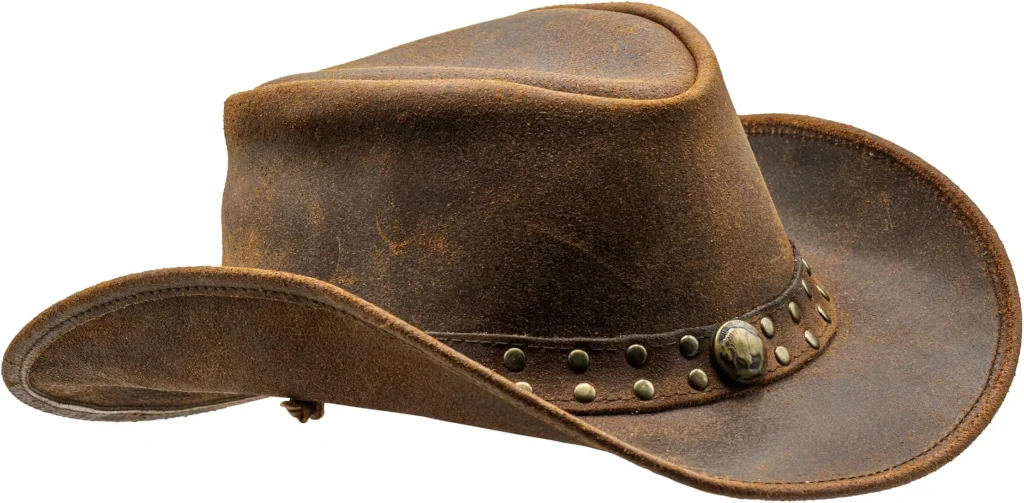
Leather: Luxurious and durable, leather makes fedoras, biker caps and even cowboy hats look great. With proper care leather ages beautifully, develops a patina over time. The sophisticated, classic look with a natural sheen is timeless.
Leather’s feel can be soft to stiff depending on the type. While stylish, leather hats can be warm in summer.
Pros:
- Durability: Leather is very durable and can last for years with proper care.
- Style: It looks classic.
- Weather Resistance: Leather offers some wind and rain protection.
Cons:
- Weight: Leather can be heavier than other fabrics.
- Maintenance: Needs to be conditioned regularly to prevent drying and cracking.
Mesh
A lightweight, breathable fabric used for trucker hats and sports caps. Mesh is great for hot weather activities. Looks sporty and functional, often seen through construction. Feels very light and airy, great for hot weather.

Pros:
- Breathability: Mesh fabric allows for great airflow, perfect for hot weather.
- Lightweight: Very light, great for wearing.
- Quick-Drying: Mesh dries fast, good for active wear.
Cons:
- Durability: Not as durable as other materials.
- Limited Insulation: No warmth, not good for cold weather.
Nylon
A lightweight and water-resistant material for sports caps and bucket hats. Nylon is durable and resistant to wear and tear and dries quickly.
The look is often athletic or utilitarian and comes in bright colors for high visibility. Nylon feels smooth and lightweight but not breathable, so it is not ideal for hot weather.

Pros:
- Lightweight: Nylon is very light for casual and activewear.
- Durability: Resistant to wear and tear and doesn’t shrink.
- Water-Resistant: Nylon can repel water, good for wet conditions.
Cons:
- Breathability: Not as breathable as natural fibers.
- Static Electricity: Nylon can generate static, uncomfortable for some wearers.
Polyester
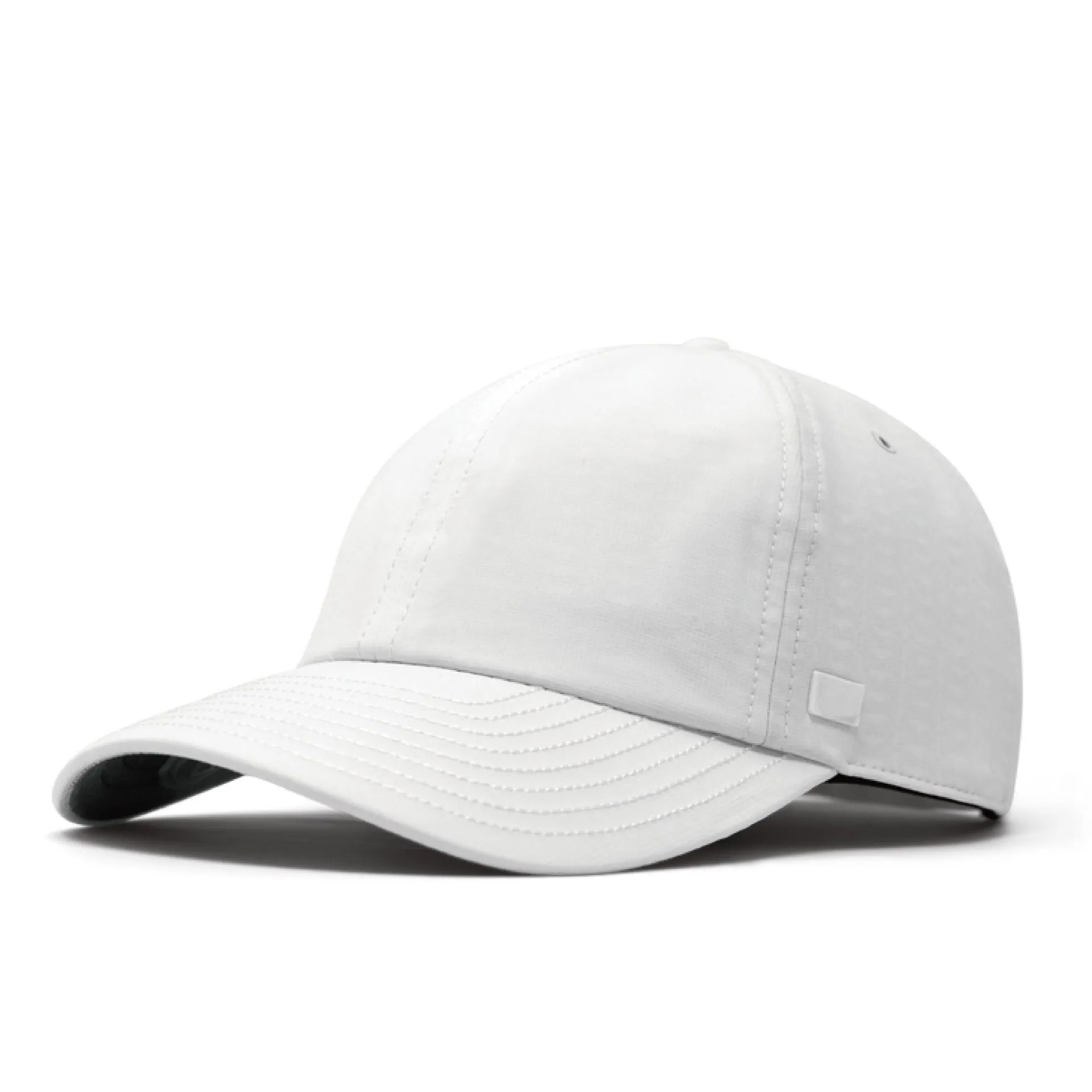
A versatile and affordable fabric for various hat styles, from baseball caps to trucker hats and beanies. Polyester is durable, wrinkle-resistant and dries quickly. It can mimic the look of other fabrics like cotton or linen, a budget-friendly option.
Polyester’s feel can be soft or crisp, depending on the weave. Like nylon, not very breathable can be uncomfortable in hot weather.
Pros:
- Durability: Polyester is strong and doesn’t shrink or stretch.
- Moisture-Wicking: It wicks moisture away from the skin.
- Easy Care: Polyester hats are often machine washable and quick drying.
Cons:
- Breathability: Not as breathable as natural fibers, uncomfortable in hot weather.
- Environmental Concerns: Polyester is a synthetic material.
Faux Suede and Leather
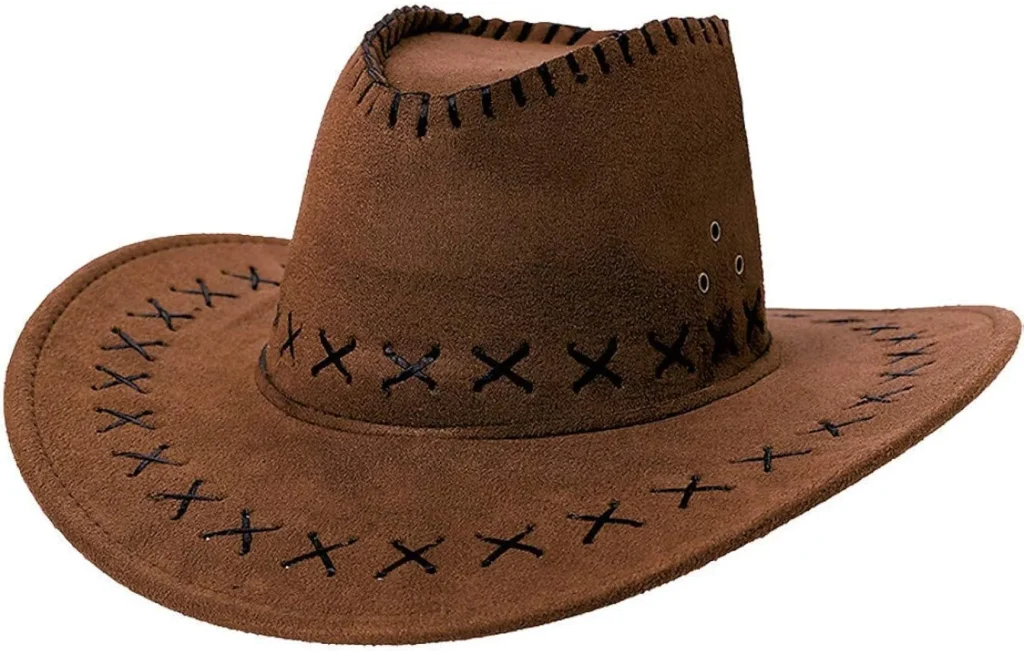
A synthetic material that mimics suede. Durability is good but not as good as suede. Faux suede is more affordable and easier to care for. Looks like suede, soft napped texture. Feels soft, but faux suede may not breathe as well as suede.
A cheaper alternative to leather, faux leather looks and feels the same. Durability varies depending on quality but is not as long-lasting as real leather.
Looks close to leather but some faux leathers may be shinier or more plastic-looking. Feels like leather but may not be as soft or supple.
Pros:
- Animal-Friendly: Both are cruelty-free to real leather.
- Style Variety: It can look like suede and leather, a stylish option.
- Easy Care: Typically easier to care for than real leather.
Cons:
- Durability: Not as durable as real leather.
- Breathability: Faux materials can trap heat and moisture.
Twill
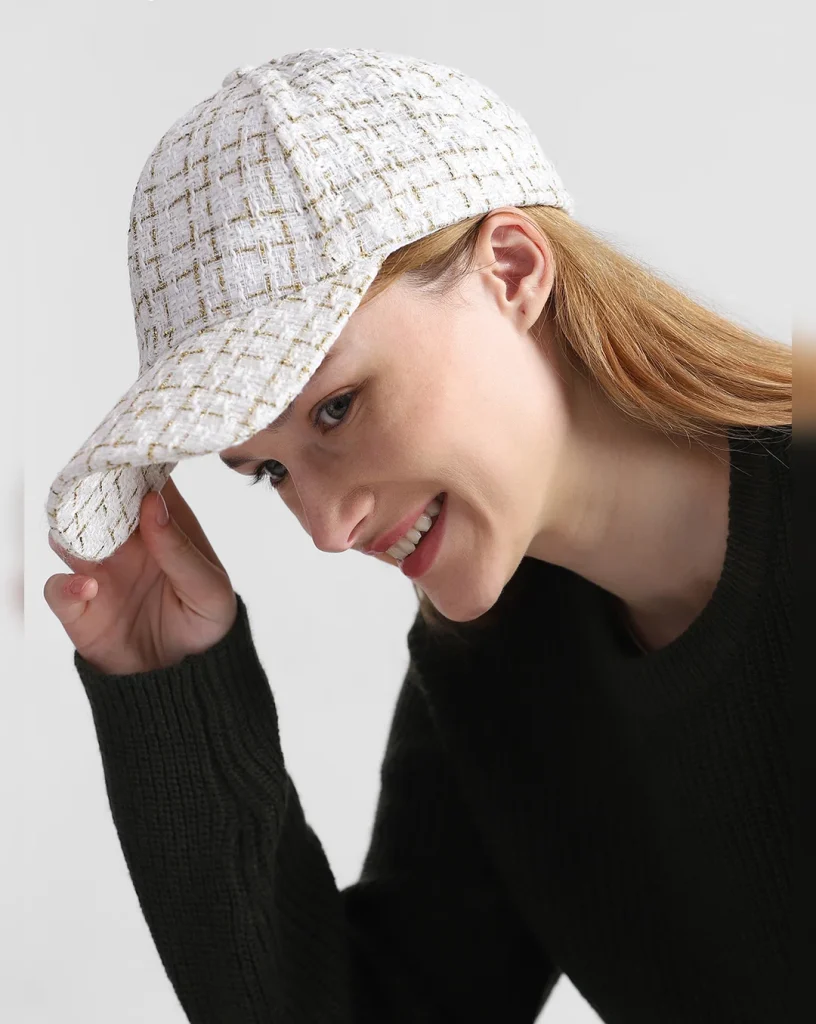
A type of weave that creates a diagonal pattern on the fabric. Cotton twill is popular for baseball caps and bucket hats. Twill is more durable and structured than plain weave fabrics.
Looks casual or sporty, diagonal texture. Feel of twill varies depending on fiber content but is generally comfortable and breathable.
Pros:
- Durability: Twill is a tough fabric that resists wrinkles and fraying.
- Texture: Has a diagonal weave that adds visual interest.
- Versatility: Twill can be made from various fibers, style and comfort options.
Cons:
- Weight: Depending on fiber used, twill can be heavier than other fabrics.
- Limited Breathability: Not as breathable as lighter materials.
What to Consider When Choosing a Hat Material
Choosing the right hat material is more than just about looks. It affects how the hat performs, feels and lasts. Here’s a breakdown of what to consider when picking the right material for your hat:
Functionality
Prioritize breathable and lightweight materials like cotton or linen. These fabrics allow air to pass through, keeping your head cool. Straw hats made from natural fibers like raffia or paper straw are good for summer as they are lightweight and provide some shade.
For winter hats, focus on materials with high insulation properties to trap heat and keep you warm. Wool and down are classic choices, great warmth-to-weight ratio. Fleece or faux fur for a more affordable option.
If sun protection is important, choose tightly woven fabrics with high Ultraviolet Protection Factor (UPF) rating. Look for hats with UPF 50+ for maximum sun protection. For outdoor activities, consider water-resistant materials like treated straw, synthetic fabrics with a DWR finish or oiled wool.
Pick materials that wick away moisture from your head, like polyester blends or merino wool. This keeps you cool and dry while exercising.
Construction Quality
A well-made hat will be more comfortable to wear and last longer. Look for sturdy construction. Avoid hats with loose threads, cracks in the material or misaligned stitches. These imperfections can snag, tear or come apart easily.
Smooth-finished seams are a must for comfort. Rough or unfinished seams can irritate your skin, especially on areas like the forehead or around the ears.
All Day Comfort
Comfort is important! You want a hat that feels good to wear all day. Soft and breathable materials like cotton or linen are comfortable for most wear. Avoid stiff or irritating fabrics like scratchy wool blends.
Besides, the stitching inside the hat should be smooth and non-abrasive. Flat seams or well-finished edges prevent discomfort from rubbing against your head.
Price
Hat materials can vary in price depending on the fiber, construction and brand. Wool, cashmere or silk are more expensive but more comfortable and breathable. Combining natural and synthetic fibers can give you a balance of comfort, affordability and durability.
Consider your budget and how often you will wear the hat. A high-quality natural fiber hat might be a good investment if you wear it often, a more affordable synthetic option might be good for occasional wear.
Durability: A Material That Can Take Abuse
Think how often you will wear the hat and the conditions it will be exposed to. Pick a material that can withstand regular use. Natural fibers like Cotton and linen are comfortable but can wrinkle or shrink. It’s not the best for hats that need to keep their shape.
Polyester is more durable and wrinkle resistant, good for hats that will take some abuse. Blends may give you the best of both worlds. For example, a cotton polyester blend might be more durable than pure cotton but still breathable.
Conclusion
Choosing the perfect hat is all about understanding the different materials out there. Each material – cotton, wool, leather or synthetic – has its own advantages that suit different preferences, climates and occasions.
Durability and style also play a big role; materials like denim and leather give longevity and a classic look, while synthetic fabrics like nylon and polyester give practicality and easy care.
When designing hats and picking the best material, focus on comfort, durability and style. Jointop Hats has different hat materials and styles worth trying.
 EN
EN  ES
ES  FR
FR  AR
AR  JA
JA  KO
KO  RU
RU  DE
DE  PT
PT  IT
IT  TR
TR