

Spending time outdoors means your cap does more than complete your look—it protects you. A good outdoor sports cap should block harmful UV rays and keep you dry when rain shows up. But not every cap lives up to its promise.
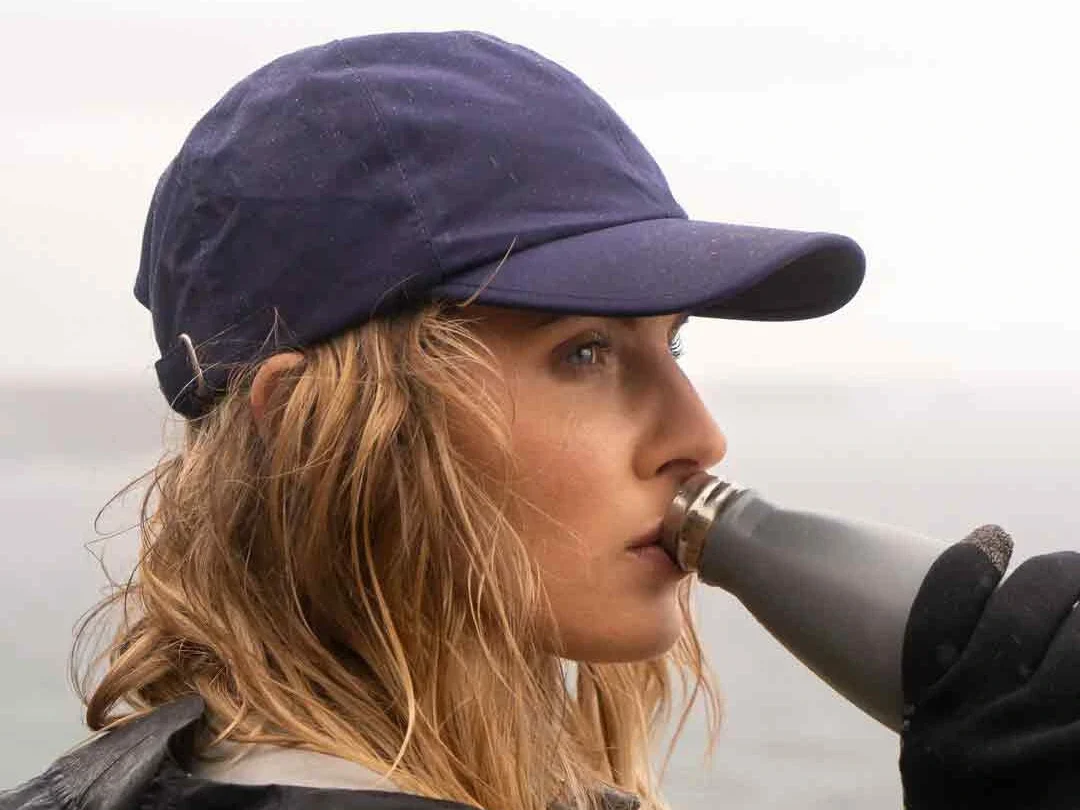
In this guide, we’ll show you what to look for in a UV-protective waterproof cap. From UPF ratings and waterproof materials to breathable designs and sport-specific features, you’ll learn how to pick a cap that keeps you comfortable and protected in any weather.
UV Protection + Waterproof: What the Labels Must Mean

When you’re shopping for an outdoor sports cap, words like UV protection and waterproof pop up everywhere. But not every label means what you think. To make the right choice, you need to know what these terms truly cover and how to read the details.
UPF 50/50+: What It Really Blocks
Unlike sunscreen, which uses SPF ratings, fabrics are tested with UPF (Ultraviolet Protection Factor). A UPF 50 rating means the fabric blocks about 98% of harmful UV rays. This level of protection is considered excellent and is often recommended by groups like the Skin Cancer Foundation.
SPF vs UPF: SPF measures how long sunscreen protects skin. UPF measures how much UV fabric blocks.
Look for UPF 50 or 50+ to ensure maximum safety during long hours outdoors.
Waterproof vs. Water-Resistant
Many caps are labeled “water-resistant,” but that’s not the same as waterproof. A true waterproof cap uses:
A membrane that keeps rain out while allowing some breathability.
Fully taped seams so water can’t sneak in through stitching holes.
By contrast, water-resistant caps only rely on a surface coating like DWR (durable water repellent). This coating can shed light rain but fails under heavy or steady showers, which means you’ll eventually get soaked.
Hydrostatic Head: The Hidden Waterproof Test
A good way to judge waterproof fabrics is through the hydrostatic head (HH) rating. This test measures how much water pressure fabric can handle before leaking.
Higher HH = better rain protection
Combined with taped seams, this ensures the cap stands up to real outdoor storms
Understanding these three points—UPF ratings, true waterproof construction, and HH testing—gives you the confidence to choose a cap that isn’t just marketing hype but truly keeps you safe from sun and dry in rain.
Standards & Fast-Check Labels (Trust, Don’t Guess)
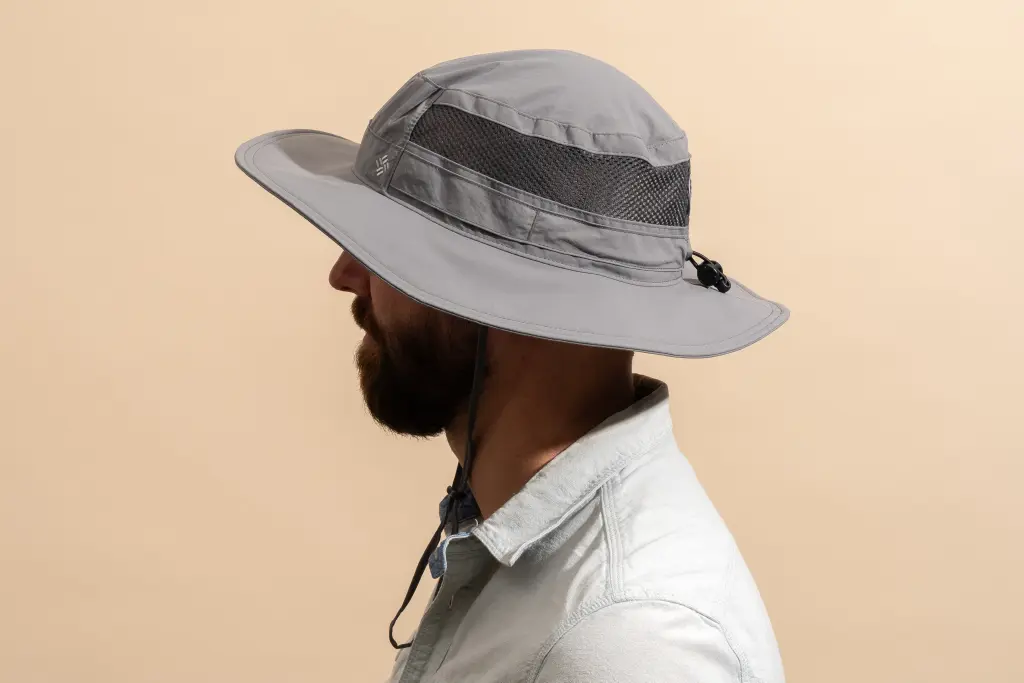
When it comes to UV protection and waterproof sports caps, it’s not enough to rely on a product description. Trusted standards and labels help you separate marketing claims from real performance. By checking these, you can quickly tell if a cap offers genuine protection or just buzzwords.
Recognized Test Methods for UPF
Several international standards measure how well fabrics block ultraviolet rays. These tests ensure consistency across brands and regions.
AATCC TM183 (US): Widely used to evaluate the UV protection of fabrics in North America.
EN 13758-1/-2 (EU): European standard for labeling and testing UV protective textiles.
AS/NZS 4399 (AU/NZ): Considered one of the strictest, often used in countries with intense sun exposure.
Independent labs like Hohenstein also conduct UPF testing, giving an extra layer of reliability. If a cap cites these methods, it’s a strong sign of tested protection.
Skin Cancer Foundation Seal
Beyond lab tests, the Skin Cancer Foundation offers a consumer-friendly certification. To earn its Seal of Recommendation, hats must meet specific requirements:
Brim size: At least 3 inches wide all around, or a 3-inch bill plus a neck drape.
UPF rating: Fabrics must deliver consistent UPF 30 or higher, though UPF 50+ is preferred.
Seeing this Seal means the cap has been reviewed by experts, making it easier for buyers to trust its sun safety claims.
Coverage-First Cap Design (Sun + Rain)
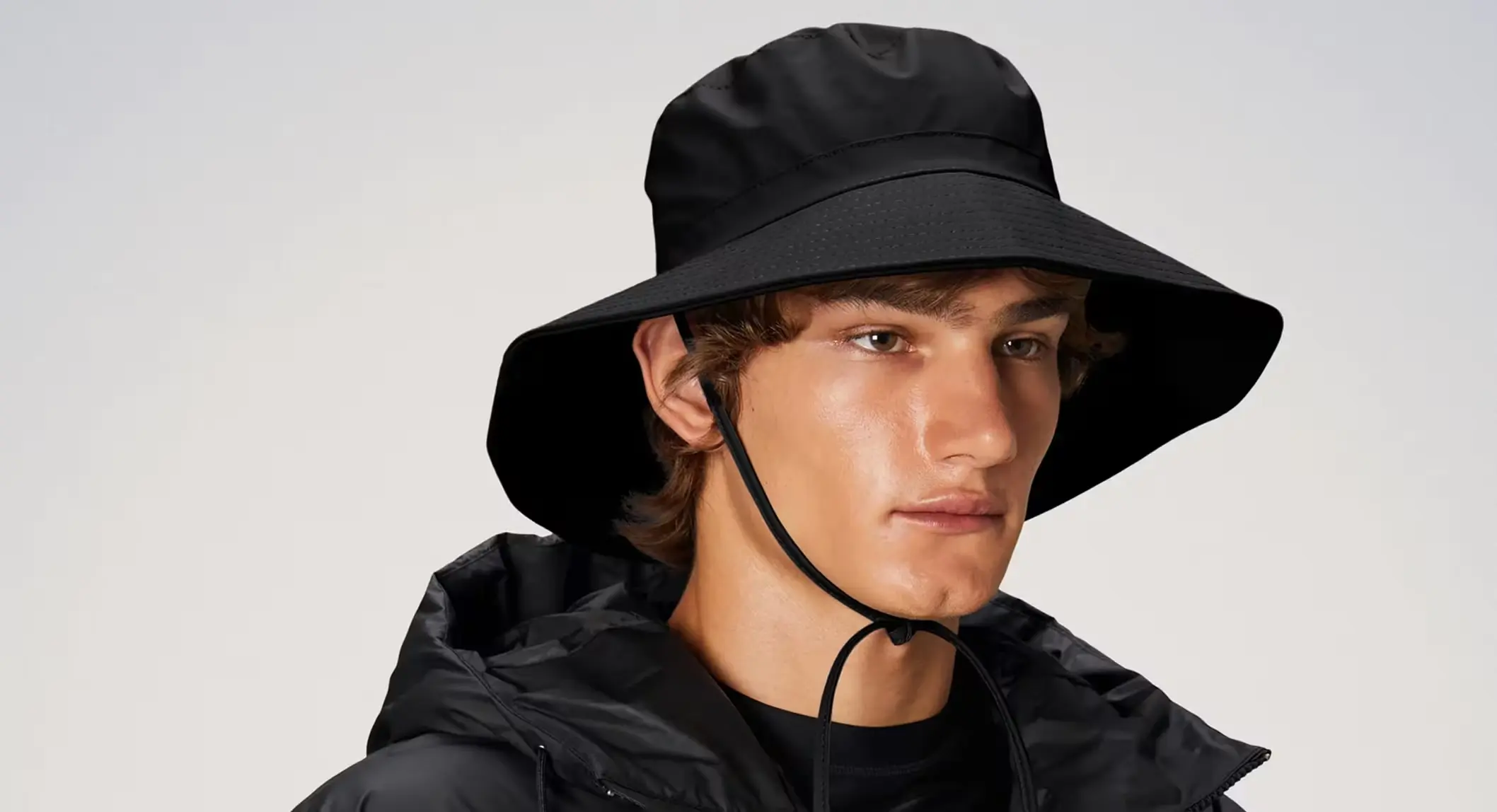
A great outdoor sports cap should do more than sit on your head—it should protect you from sun exposure and sudden rain. The design details matter because they decide how safe and comfortable you’ll be when conditions change fast.
Key Fabric & Panel Choices
The crown, bill, and any cape sections should use UPF 50/50+ fabrics. This rating blocks about 98% of UV rays. Avoid unlined mesh in high-exposure zones, like the top of the crown, since mesh without protection lets sunlight through.
Brim and Neck Coverage
The Skin Cancer Foundation recommends hats with at least a 3-inch brim or a 3-inch bill paired with a neck cape. This ensures your ears and neck—common burn spots—stay shaded. Wide bills or removable drapes make a big difference for all-day outdoor use.
Dark Underbrim Advantage
Performance-focused caps often add a dark underbrim. This simple detail reduces glare from water, grass, or pavement. Whether you’re fishing, golfing, or running, it helps keep your vision clear and your eyes relaxed.
UPF 50+ fabrics for full coverage
3-inch brim or neck cape for sun safety
Dark underbrim for glare control
Waterproofing That Works in Motion
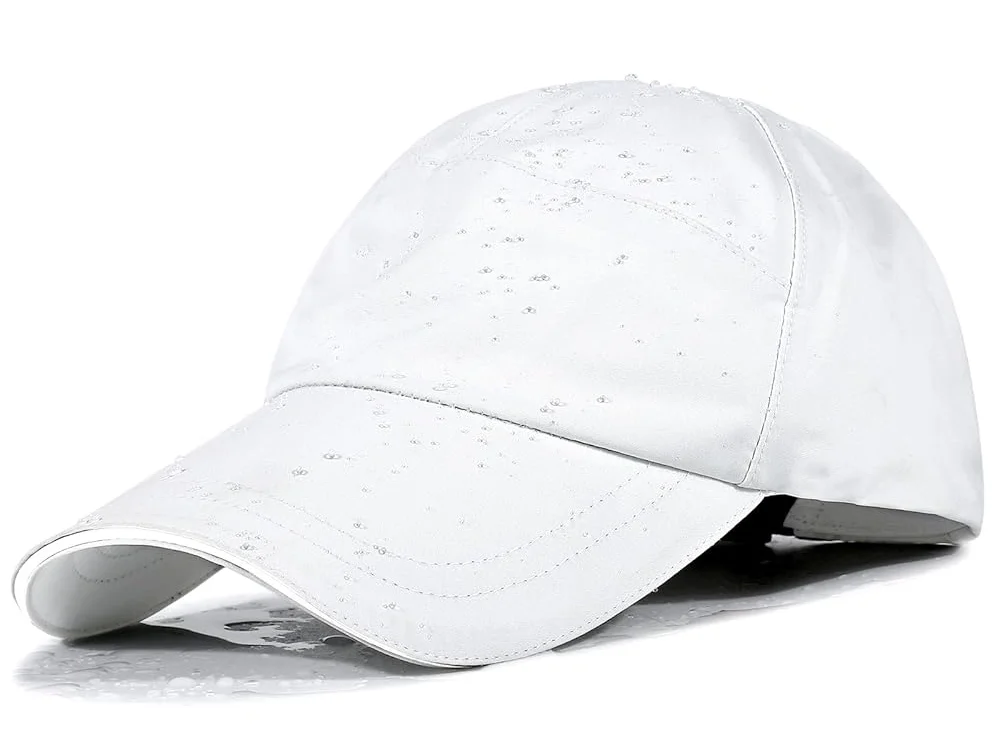
A sports cap isn’t much use if it leaks the moment you start running in the rain. To get true waterproof performance, look for designs built with laminated shells and sealed seams. These details stop water from sneaking in while still allowing heat and sweat to escape.
Laminates and Sealed Seams
High-quality waterproof caps often use advanced laminates such as GORE-TEX ePE, polyurethane (PU), or other proprietary membranes. These materials create a barrier against rain but remain breathable. The key is seam taping, which covers stitch holes where water usually enters.
Montane Phase Lite Cap: uses GORE-TEX ePE with taped seams.
Salomon Bonatti Waterproof Cap: lightweight, with fully sealed panels.
Sealskinz Wymondham: features Aquasealz™ membrane and heat-sealed seams for full wet-weather security.
PFAS-Free Options
A growing trend is the move toward PFAS-free waterproofing. Next-generation GORE-TEX ePE membranes and brands like Sunday Afternoons now use PFAS-free DWR finishes. These provide effective water resistance while reducing long-term environmental impact.
When choosing a cap, focus on:
Laminate shells for lasting waterproofing
Taped or heat-sealed seams to block leaks
PFAS-free DWR finishes for eco-friendly performance
Breathability & Sweat Management
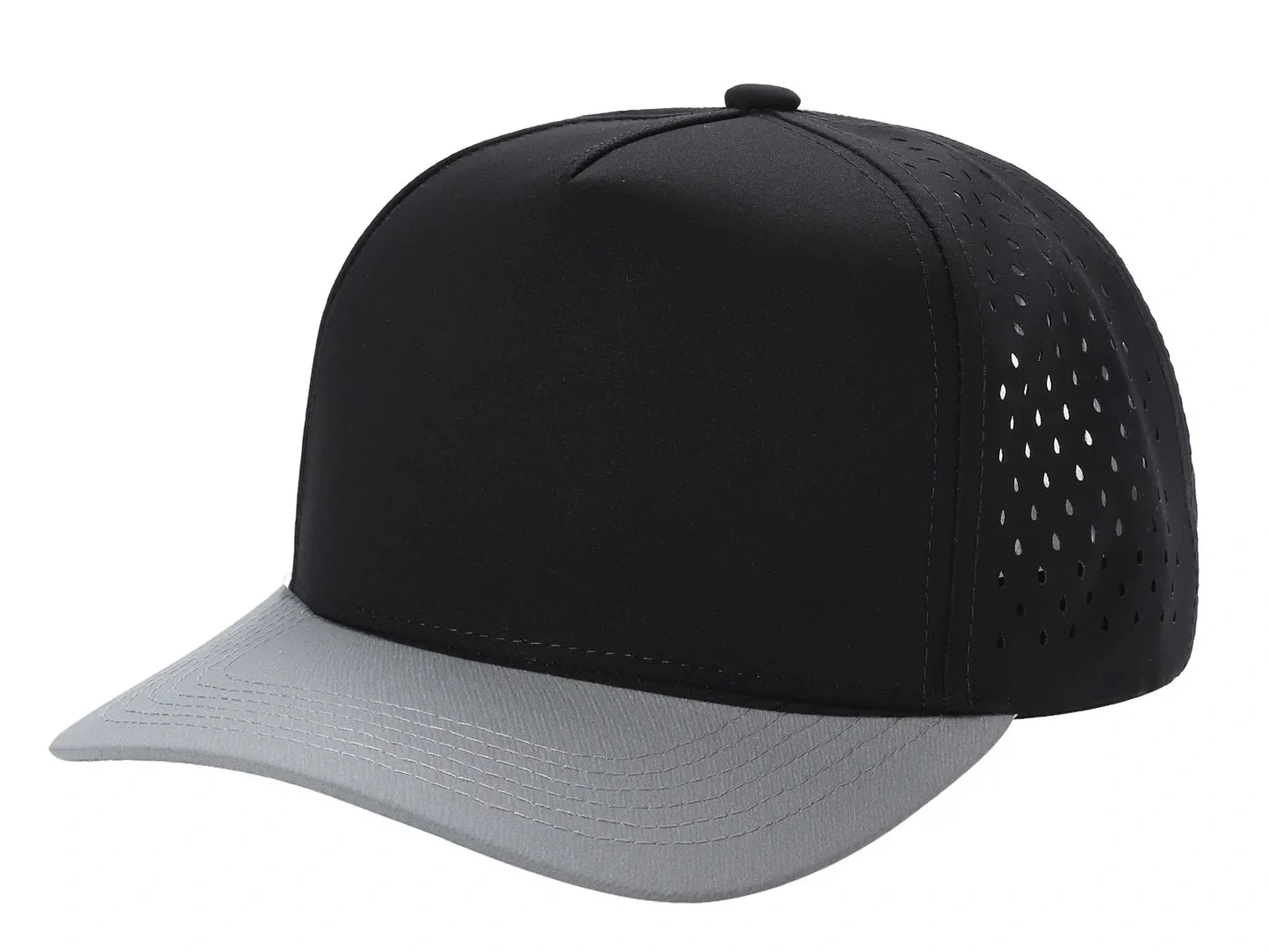
Even the best waterproof sports cap loses its purpose if it traps heat and sweat. The right balance of weather protection and airflow ensures comfort during long outdoor sessions. A good design keeps you dry from the rain while staying cool under the sun.
Smart Venting and Fabrics
The most effective caps combine waterproof shells with strategic venting. Side panels or laser-cut perforations let air move freely without exposing skin to direct sunlight. On the inside, moisture-wicking headbands and quick-dry liners draw sweat away from your skin, preventing irritation and keeping you comfortable during high activity.
What Matters Most for Comfort
Athletes consistently look for caps that manage both heat and sweat efficiently. The key features include:
Venting systems that release built-up heat
Quick-dry fabrics that keep sweat under control
Dark underbrims to reduce glare and eye strain
These details make the difference between a cap that just blocks UV and rain, and one that you’ll actually enjoy wearing on trails, fields, or water.
Sport-Specific Builds (Pick by Use Case)

Not every sport demands the same type of cap. The right build depends on how you move, where you play, and how long you’re exposed to the elements. Choosing with your activity in mind ensures both UV protection and waterproofing actually work for you.
Running and Trail
For high-motion activities, a lightweight 5-panel cap is best. Look for:
UPF 50+ fabric to guard against long sun sessions
A water-repellent or waterproof shell for sudden showers
Dark underbrim to reduce glare on roads or trails
Optional removable neck cape for hot, sunny runs
These features keep you cool, shielded, and fast on your feet.
Golf and Angling
Sports like golf and fishing mean long hours outside, often without shade. Caps with wider brims or a cap plus cape setup provide steady protection. For unpredictable weather, choose hats that blend UPF fabric with waterproofing, so you’re covered during both sunshine and passing rain.
Hiking and Paddling in Rain
If you’re trekking or paddling, rain protection is just as important as sun coverage. The best builds include:
Stiff, non-droop bills that hold shape when wet
A seam-taped crown to block water entry
Hood compatibility so you can layer it under a rain jacket
This combination ensures steady vision and protection no matter the terrain or weather.
Care = Performance (Keep the UV + Waterproofing Alive)
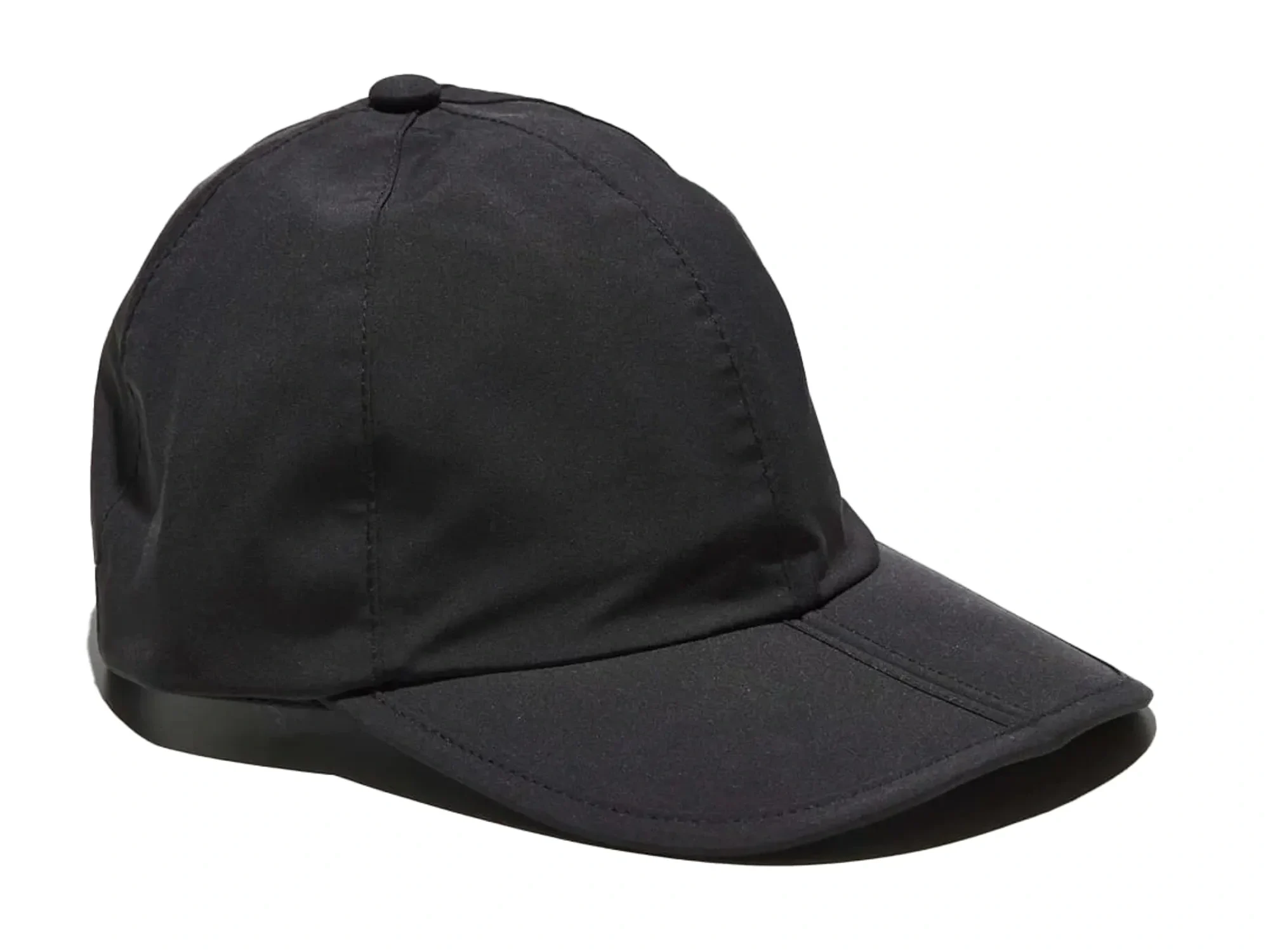
A UV-protective waterproof cap works best when it’s maintained properly. Over time, sweat, dirt, and weather can break down the protective coatings. With simple care steps, you can extend both the sun protection and the waterproofing performance.
Cleaning and Reactivating Protection
Start by gently cleaning the cap. Dirt and oils can block waterproof finishes from working. After washing, use low or medium heat (if the fabric allows) to reactivate the durable water repellent (DWR) finish. Only reapply waterproofing sprays when you notice that rain stops beading on the surface.
Washing and Re-Proofing
When washing, always follow the care label. A gentle cycle with mild detergent is safest. Avoid fabric softeners, since they can damage both the UPF and waterproof coatings. If water resistance fades, reapply using spray-on or wash-in repellents designed for performance fabrics. This quick step can bring your cap back to like-new performance.
Wash gently with mild detergent
Avoid softeners to protect coatings
Reapply waterproofing when beading fades
Heat-reactivate DWR if fabric allows
Ready to Get Started?
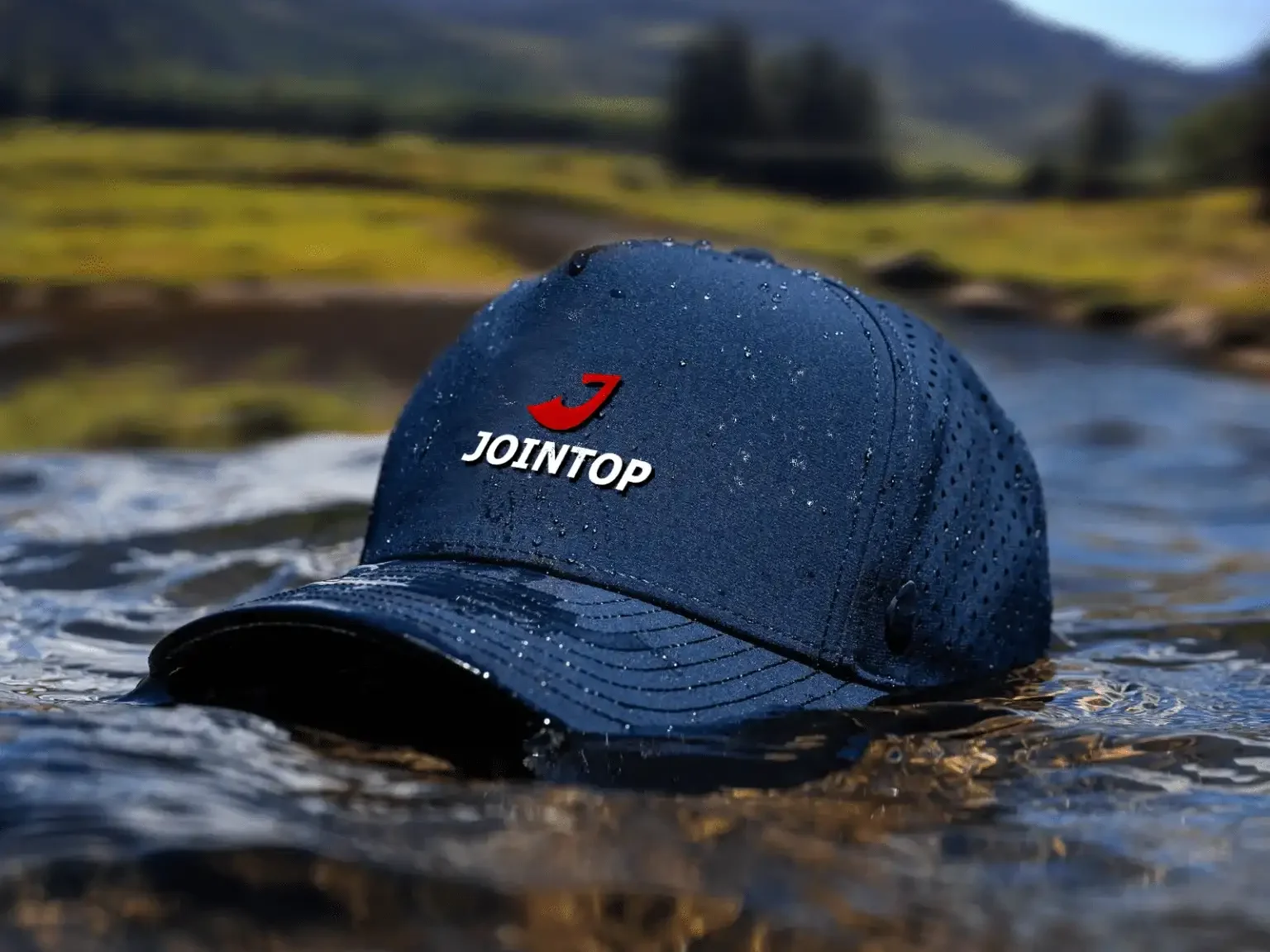
Step up with UV-protective waterproof sports caps built for any adventure—UPF 50+ fabrics, seam-taped shells, and breathable comfort for running, hiking, fishing, or golf.
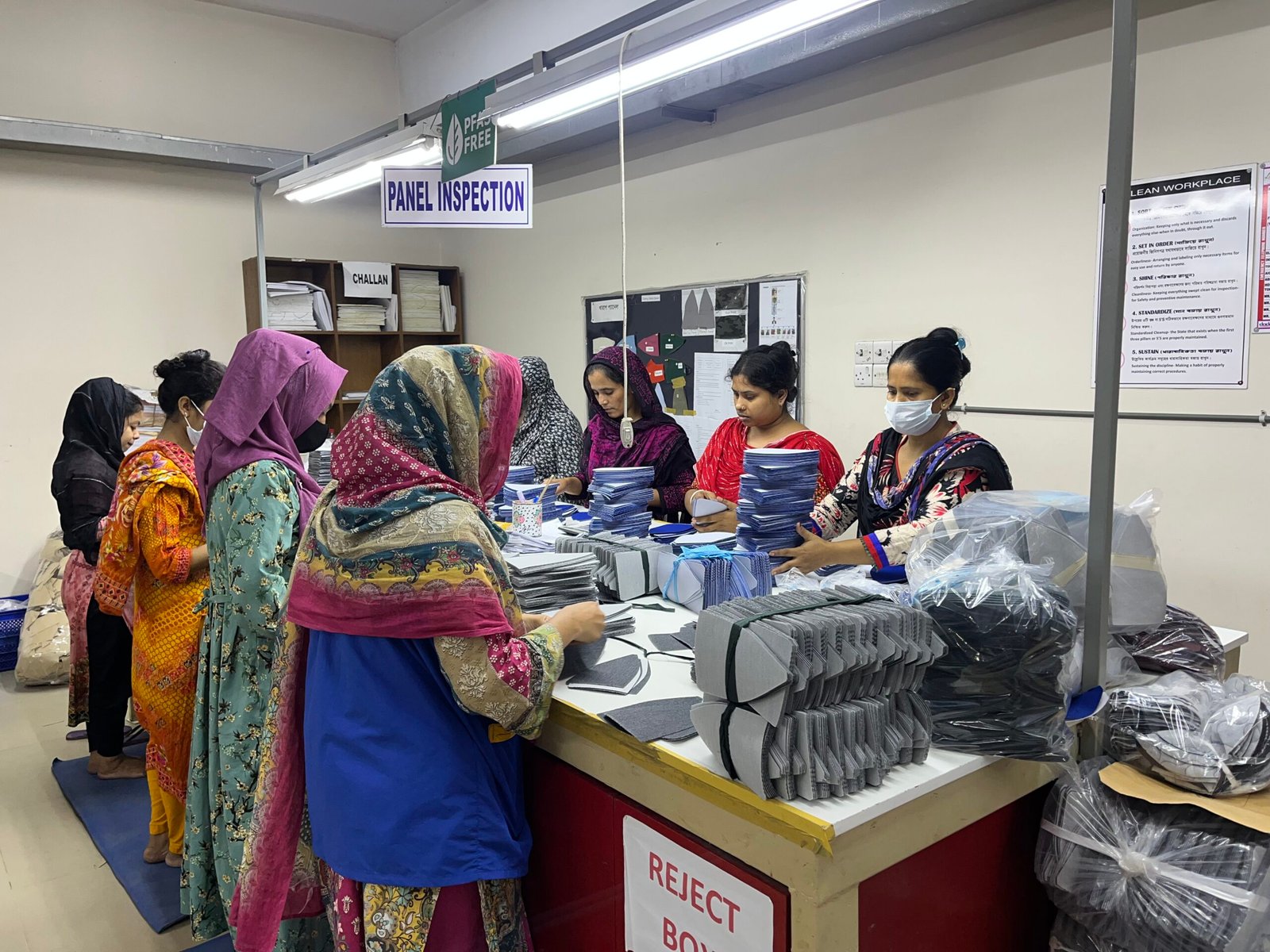
At JoinTop, we provide OEM/ODM support with factories in China, Bangladesh, and Vietnam. Enjoy fast sampling, flexible orders, and competitive pricing. Contact us today to request swatches, upload your logo, and create your custom caps.
 EN
EN  ES
ES  FR
FR  AR
AR  JA
JA  KO
KO  RU
RU  DE
DE  PT
PT  IT
IT  TR
TR