

When you’re caught in the rain during a game, a regular cap won’t do much to keep you dry. That’s where a waterproof baseball cap comes in. Unlike water-resistant versions that only shed light drizzle, waterproof caps are engineered with laminated fabrics, taped seams, and specialized finishes that stop leaks even in heavy conditions.
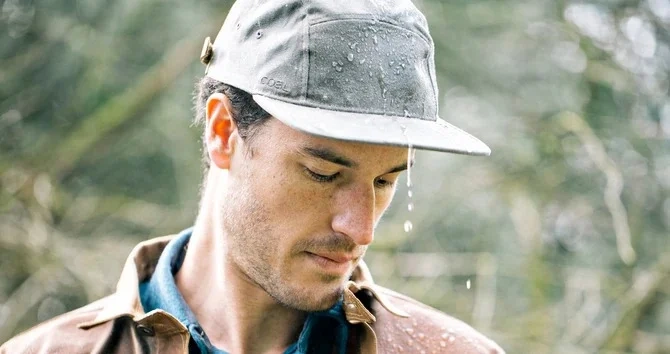
In this guide, we’ll break down how waterproof baseball caps are made from an OEM perspective. You’ll learn what materials go into them, how the panels and visors are assembled, and the steps factories take to seal seams, add branding, and test performance. If you’re planning a custom run, you’ll also discover the key cost drivers, MOQ factors, and the checklist to lock before sampling.
Definition & Targets

When we talk about a waterproof baseball cap, it’s important to separate it from a cap that’s only water-resistant. A water-resistant cap usually has a surface treatment, like a durable water repellent (DWR), which can shed light rain for a short time. In contrast, a waterproof cap is built with a laminated membrane and taped seams that stop water from passing through, even in steady rainfall.
To judge performance, brands and OEMs rely on two key measures:
Hydrostatic Head (HH): This shows how much water pressure the fabric can resist before leaking. A good waterproof cap often reaches around 10,000 mm HH.
MVTR (Moisture Vapor Transmission Rate): This tells us how breathable the fabric is, making sure sweat can escape while rain stays out.
By balancing these two targets—keeping rain out while allowing airflow—OEMs design caps that stay comfortable in real outdoor use.
Materials Stack (What You’ll Specify)
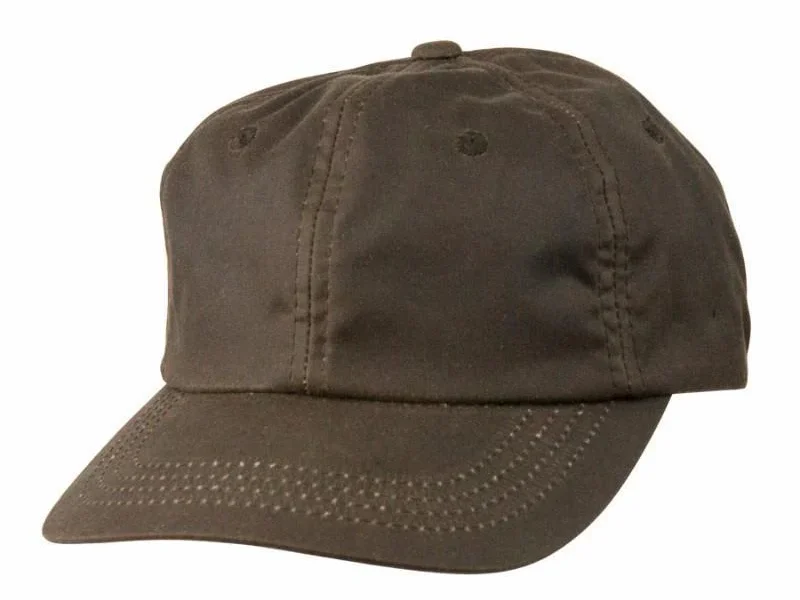
Every waterproof baseball cap starts with the right materials. The fabric system is what keeps rain out while still letting you breathe. OEM factories usually follow a three-part recipe:
Face fabric: Most caps use nylon or polyester. Ripstop versions add tear resistance without adding much weight, making them a smart choice for outdoor sports.
Membrane/laminate: This is the barrier layer. Options include 2-layer, 2.5-layer, or 3-layer builds, often with PU or ePTFE membranes. More layers usually mean more durability.
Finish: A PFAS-free DWR (durable water repellent) is applied to help water bead up and roll off. Some designs also add a light lining for comfort and sweat management.
By combining these elements, manufacturers balance waterproof strength, breathability, and comfort—giving athletes a cap that works in both heavy rain and long play.
Cap Architecture That Keeps Water Out
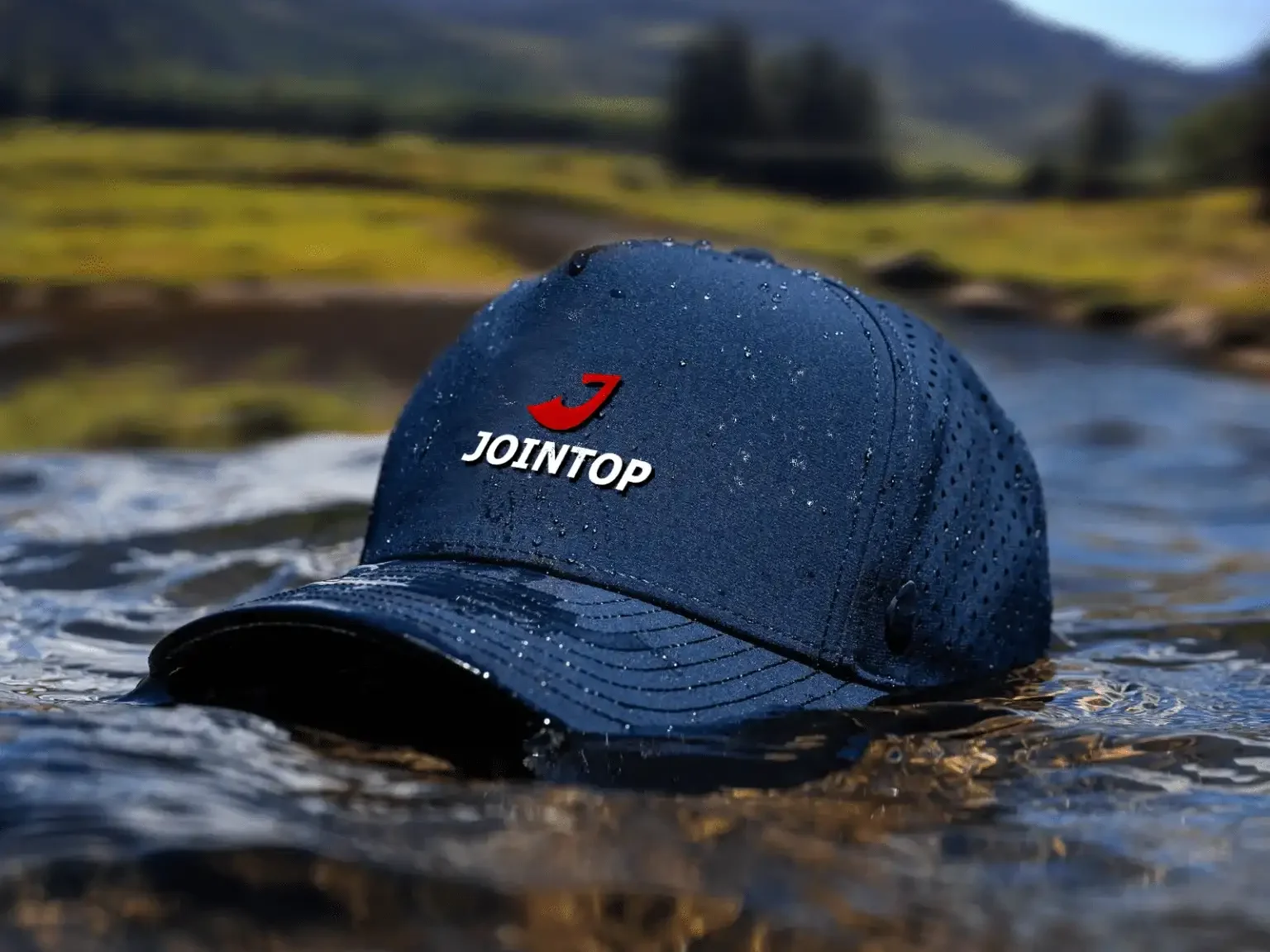
The design of the cap itself plays a big role in keeping rain away. It’s not just about fabric—it’s about how each part is built and assembled.
5/6-panel crown: This classic structure gives the cap its shape. When panels are carefully stitched and seam-sealed, water has fewer entry points.
Visor board: Made of PE or EVA, the board is wrapped in waterproof fabric so it stays firm and dry even after repeated exposure.
Eyelets and vents: Standard stitched holes can leak, so many waterproof caps avoid them or use welded/covered vents instead.
Sweatband: A lightweight, wicking knit pulls moisture away from your skin without acting like a sponge.
Closures: Adjustable parts like Velcro, snaps, or buckles are sealed or designed to reduce leaks, keeping the back of the head protected.
This balance of structure and detail makes sure the cap blocks rain while staying breathable and comfortable during long outdoor use.
OEM Production Flow (End-to-End)
Patterning & cutting
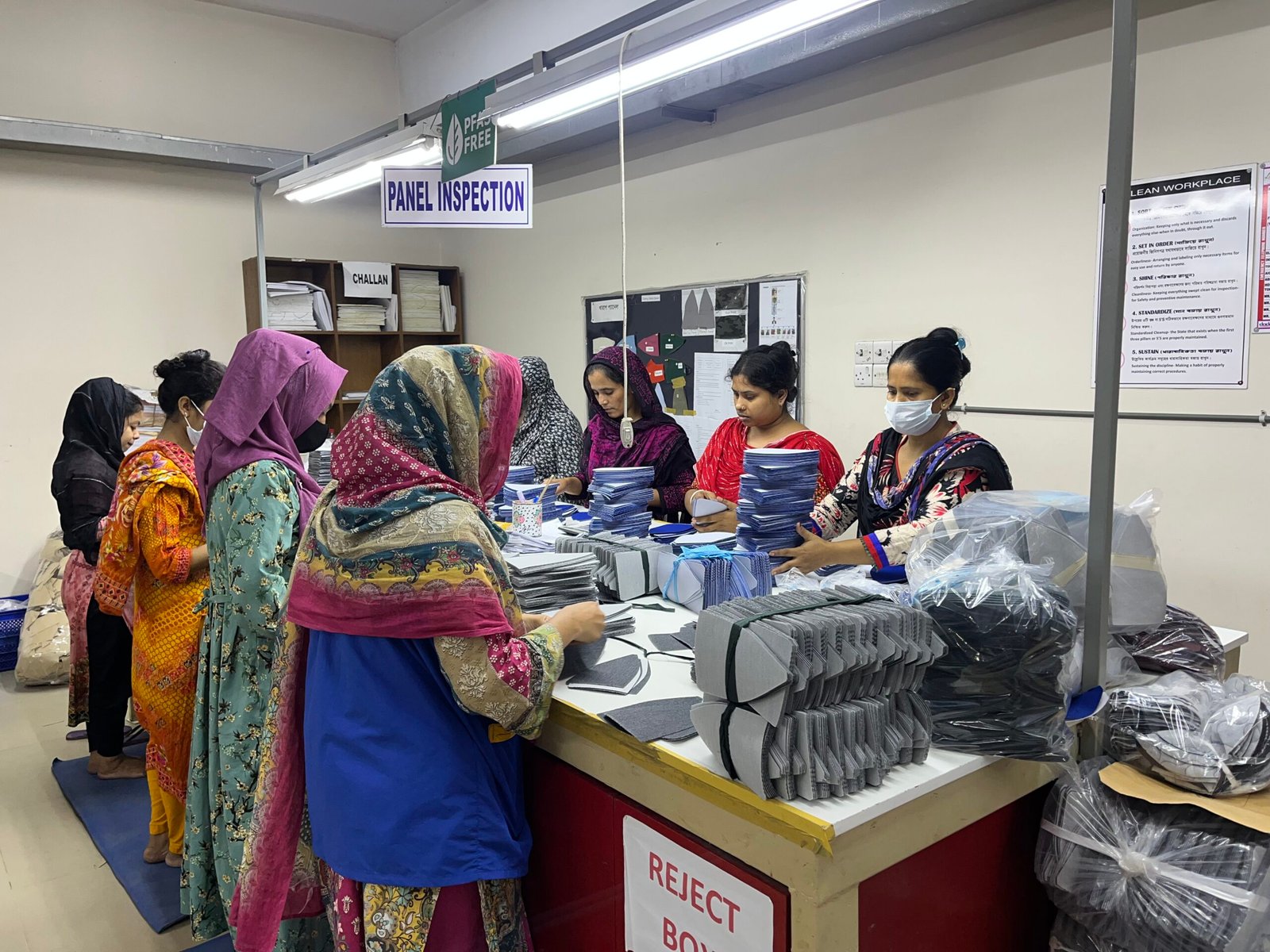
Each panel and visor piece is carefully cut to the right size, leaving allowances that will later be sealed during seam-taping. This step ensures precision and consistent fit.
Panel pre-assembly
The crown panels are joined and prepped before the visor is added. This keeps edges clean and stable, which helps when seam tape is applied later.
Visor pocket + insert
The PE or EVA visor board is slipped into a stitched pocket for structure and durability. Wrapping it in the shell fabric helps protect against water.
Crown assembly
Once the visor is ready, it is attached to the crown. At this stage, the sweatband and closure are sewn in, creating the final shape of the cap.
Trims and labels
Branding, size tags, and care labels are added in the finishing stage. This step prepares the cap for retail or distribution while maintaining OEM standards.
Seam allowances
Factories also design seam allowances with waterproofing in mind. Curves, overlaps, and widths are kept tape-friendly so seam sealing can fully block leaks.
Seam Sealing & Branding (The Waterproofing Step)
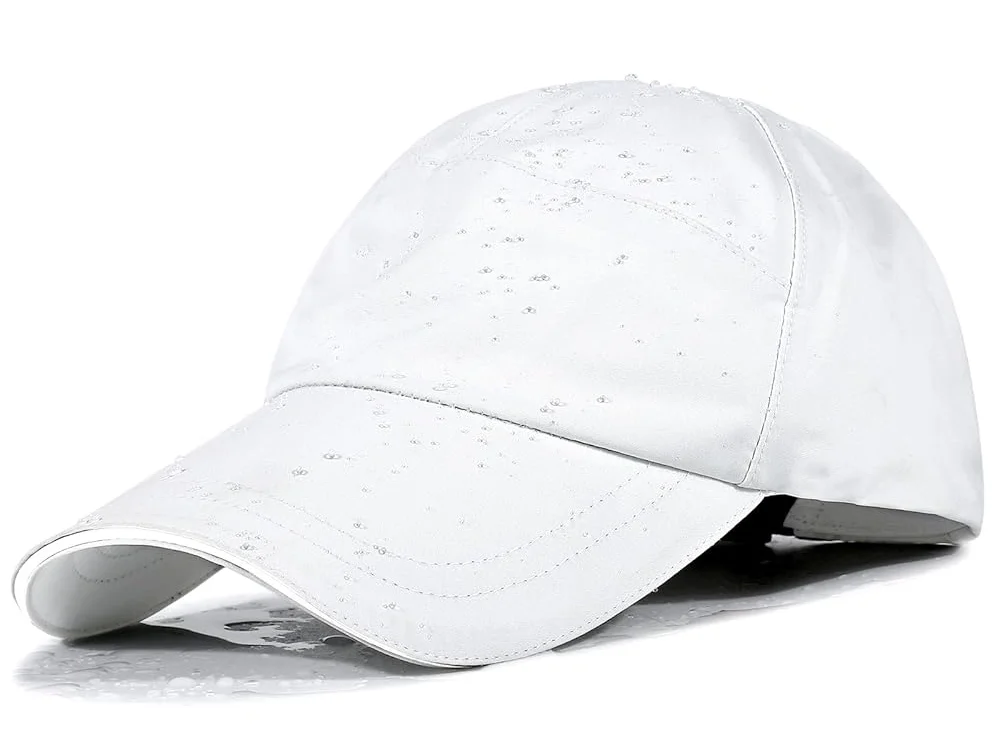
Even the best waterproof fabric won’t perform if the seams leak. That’s why seam sealing is one of the most important steps in OEM cap production.
Tape selection: The type of seam tape must match the cap’s base fabric and wash profile. Heat-activated tapes work well on laminates, while lighter options suit thinner shells.
Coverage: Factories may choose between fully taped seams (every seam sealed) or critically taped seams (only exposed areas). Full coverage improves waterproofing but adds cost and weight.
Embroidery and patches: Branding can create leaks if not managed. To avoid this, OEMs use waterproof backers, welded logos, or minimal needle perforations. This ensures logos look sharp without compromising protection.
By combining the right tape, coverage, and branding methods, manufacturers give caps both style and all-weather performance.
QA & Validation Tests
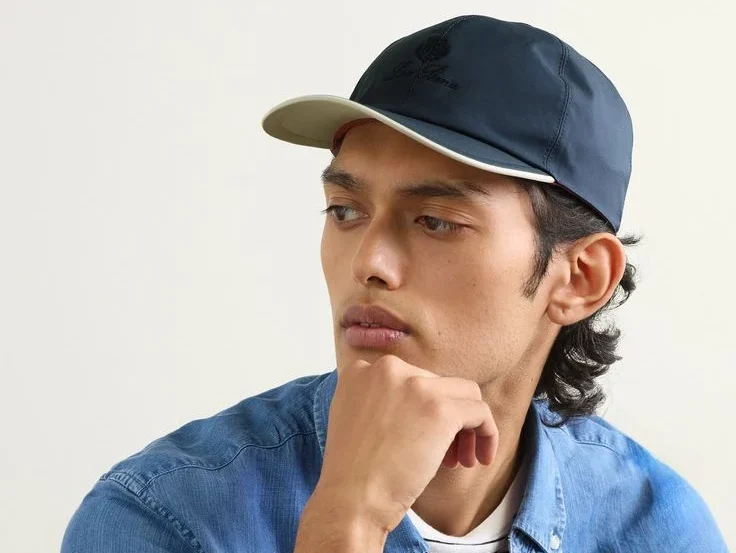
No waterproof cap is complete until it passes quality checks. OEM factories run both fabric and seam tests to make sure the product works in real-world use.
Fabric tests: Standards like AATCC 127 or ISO 811 measure Hydrostatic Head, showing how much water pressure the fabric can resist. Caps may also undergo spray or rain simulations to see how water beads and runs off. Breathability is checked through MVTR, confirming sweat can still escape.
Seam tests: Taped seams are inspected for adhesion and durability. Factories run peel or leak checks to confirm no gaps remain. In-line AQL inspections help catch defects in finished caps before they leave the factory.
With these steps, brands know their waterproof baseball caps aren’t just built well—they’re proven to perform.
Cost, MOQ & Lead-Time Levers
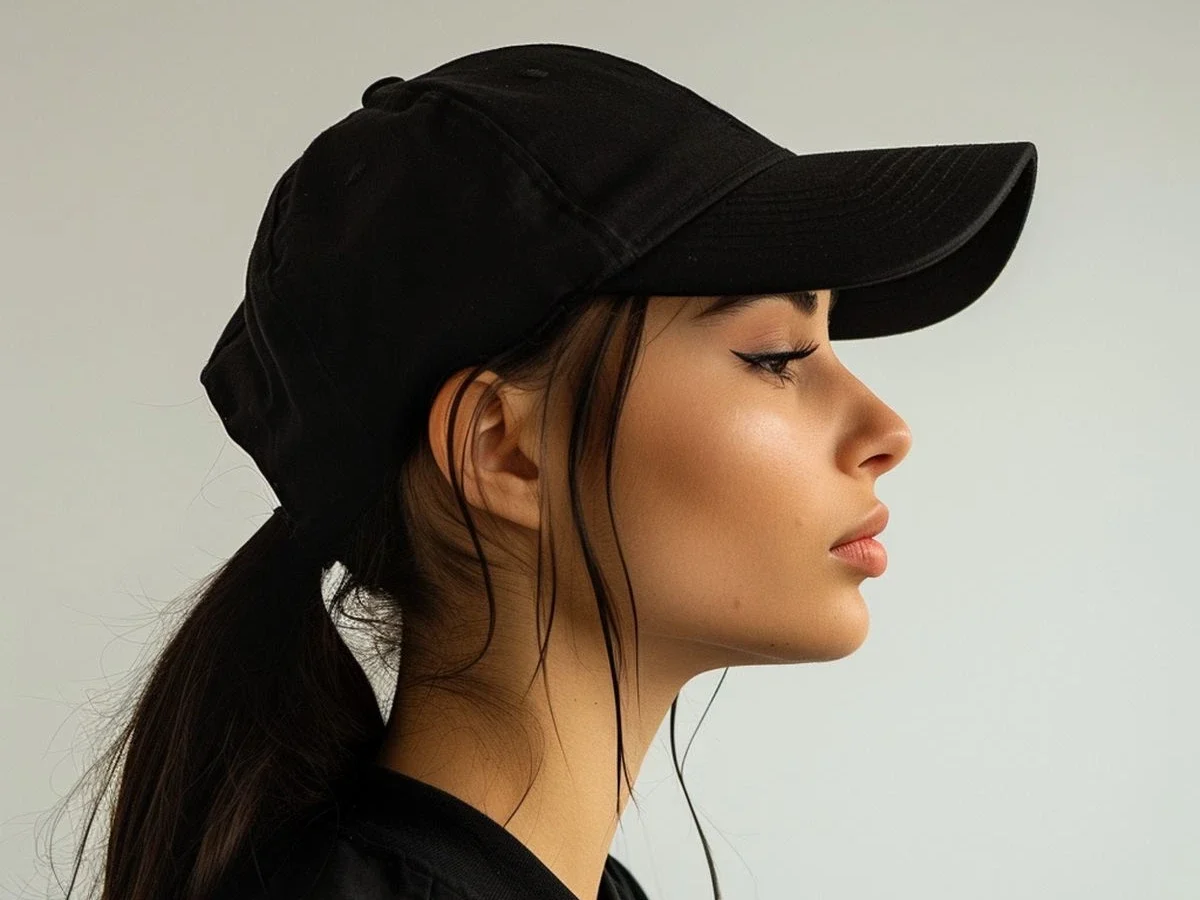
Materials & layers
A 2-layer cap is usually more affordable than a 3-layer version, but higher Hydrostatic Head ratings and branded membranes push up both cost and production lead time.
Seam tape type & coverage
Fully taped seams provide maximum protection but add more cost and weight compared to critically taped options, which only seal the most exposed seams.
Branding complexity
Printed logos are the most budget-friendly choice, while embroidery needs waterproof backers to prevent leaks. Welded logos give a premium look but require extra tooling and time.
Colorways & compliance
Adding multiple color options or meeting strict compliance tests such as REACH or ISO can extend timelines and increase overall costs, especially for global distribution.
Tech-Pack Checklist (What to Lock Before Sampling)
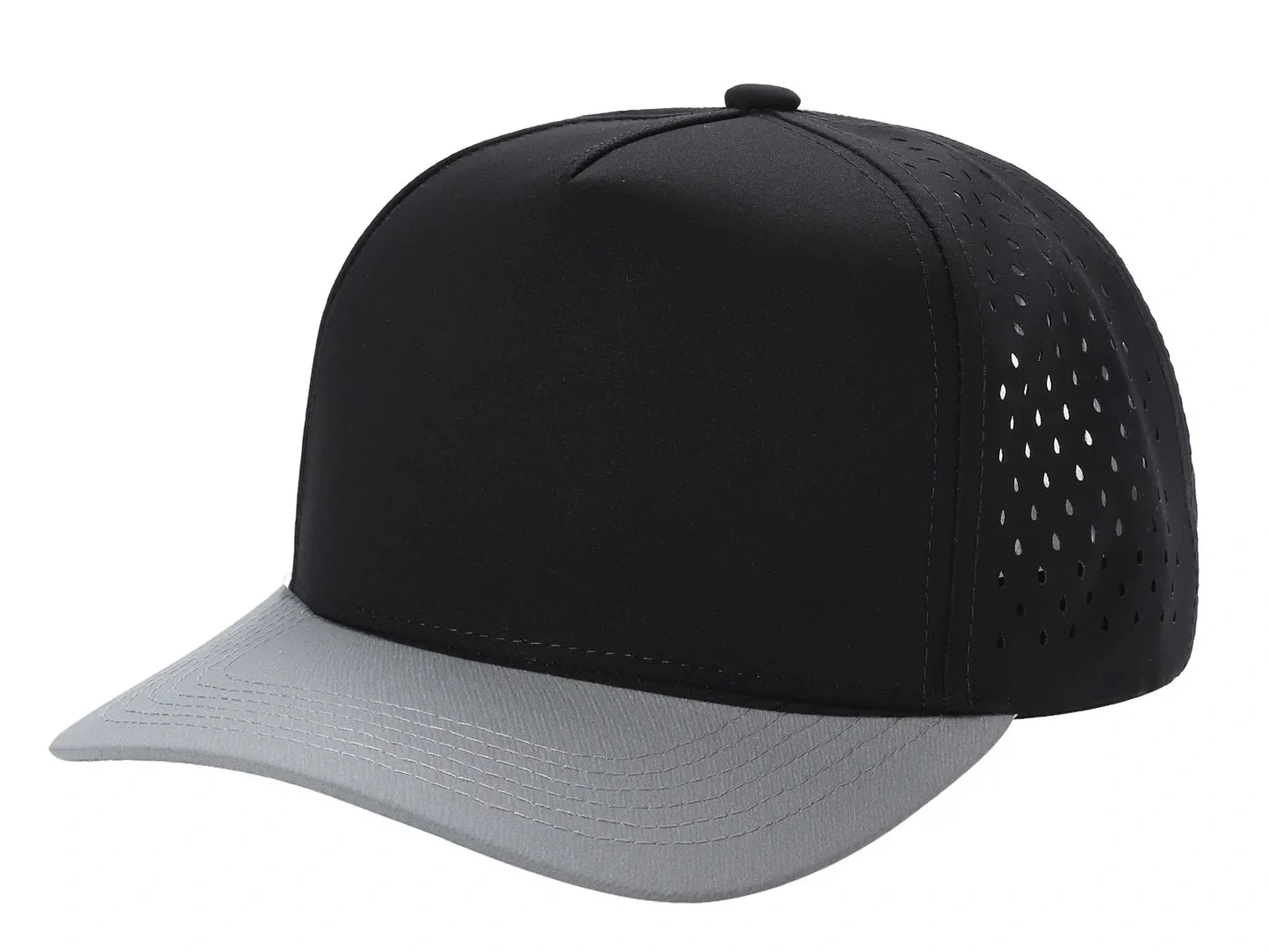
Before an OEM factory can produce a reliable waterproof baseball cap, the tech pack must be complete. This document sets the blueprint for quality and performance.
Fabric & finish: Specify the fabric stack, the DWR type, and Hydrostatic Head/MVTR targets.
Seam details: Note seam-tape width, coverage, and seam allowances to ensure taping works.
Visor & sweatband: Define the visor board material and curve, plus sweatband and closure specs.
Branding & trims: List the method (embroidery with waterproof backing or welded logo), labels, and care instructions.
Quality checks: Include AQL standards, required waterproof tests, and compliance needs.
Locking these details early prevents costly errors, reduces delays, and helps ensure every production run delivers consistent, waterproof performance.
Ready to Get Started?
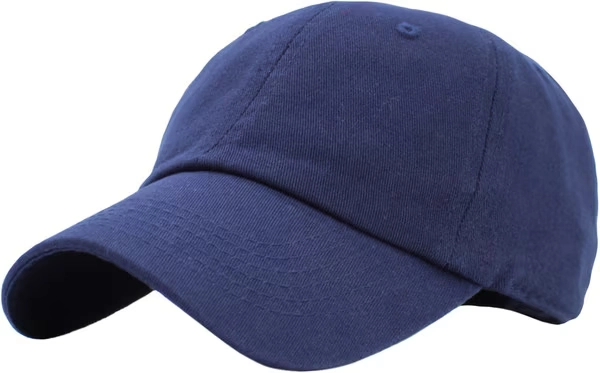
Build custom waterproof baseball caps with the performance features that match your needs—lightweight nylon for outdoor sports, 3-layer laminates for heavy rain, taped seams for full protection, or welded branding for a sleek finish.
At JoinTop, we provide full OEM/ODM support with trusted factories in China, Bangladesh, and Vietnam for fast sampling, competitive pricing, and flexible MOQs. Contact our team to request fabric swatches, specify waterproof ratings, upload your logo, and start your custom waterproof cap project today.
 EN
EN  ES
ES  FR
FR  AR
AR  JA
JA  KO
KO  RU
RU  DE
DE  PT
PT  IT
IT  TR
TR