
Performance cap closure testing checks the complete adjustment system at the back of the cap, including the strap, snap, buckle, elastic, opening shape and attachment seams. A useful approval plan covers fit range, ease of adjustment, holding power, repeated use, surface condition and the way the closure is secured to the crown.
Closure choice affects more than appearance. It changes fit coverage, pressure around the opening, weight, ventilation, brand placement and how the cap behaves during running, golf or outdoor use. A closure that works on a casual cotton cap may feel bulky or unstable on a light stretch performance style.
Buyers should set a repeatable evaluation method before approving the sample. The supplier can propose the component and construction, while the brand defines the intended wearer, use conditions, acceptance evidence and any market-specific requirements.
The component alone does not determine performance. A snap strap depends on hole and stud geometry, material flexibility, back-opening shape and anchor stitching. A webbing strap depends on weave, edge finish, slider shape, tuck-in route and attachment. Elastic depends on its tension, recovery, length and the way it is joined to the cap.
Start with the general closure families in JoinTop’s hat closure overview, then write a style-specific requirement for the performance cap. The final choice should suit the approved crown, sweatband, rear opening and size plan.
| Closure system | Buyer decisions | Development risks to check |
|---|---|---|
| Plastic snap | Adjustment positions, strap length, hole and stud engagement, color, flexibility and rear opening | Loose engagement, cracking, sharp edges, off-center anchoring or exposed tail |
| Hook-and-loop strap | Engagement area, strap width, edge finish, direction, trim allowance and any label or embroidery | Weak holding after repeated use, edge curl, debris pickup or exposed hooks touching skin |
| Webbing with metal or molded buckle | Webbing code, buckle finish, adjustment route, tail storage, weight and skin-contact surfaces | Slippage, corrosion, coating wear, sharp edges, twisted webbing or a bulky tuck-in channel |
| Elastic or stretch-fit section | Elastic code, relaxed length, extension range, recovery, joining method and graded cap sizes | Excess pressure, early relaxation, uneven gathering or size drift after conditioning |
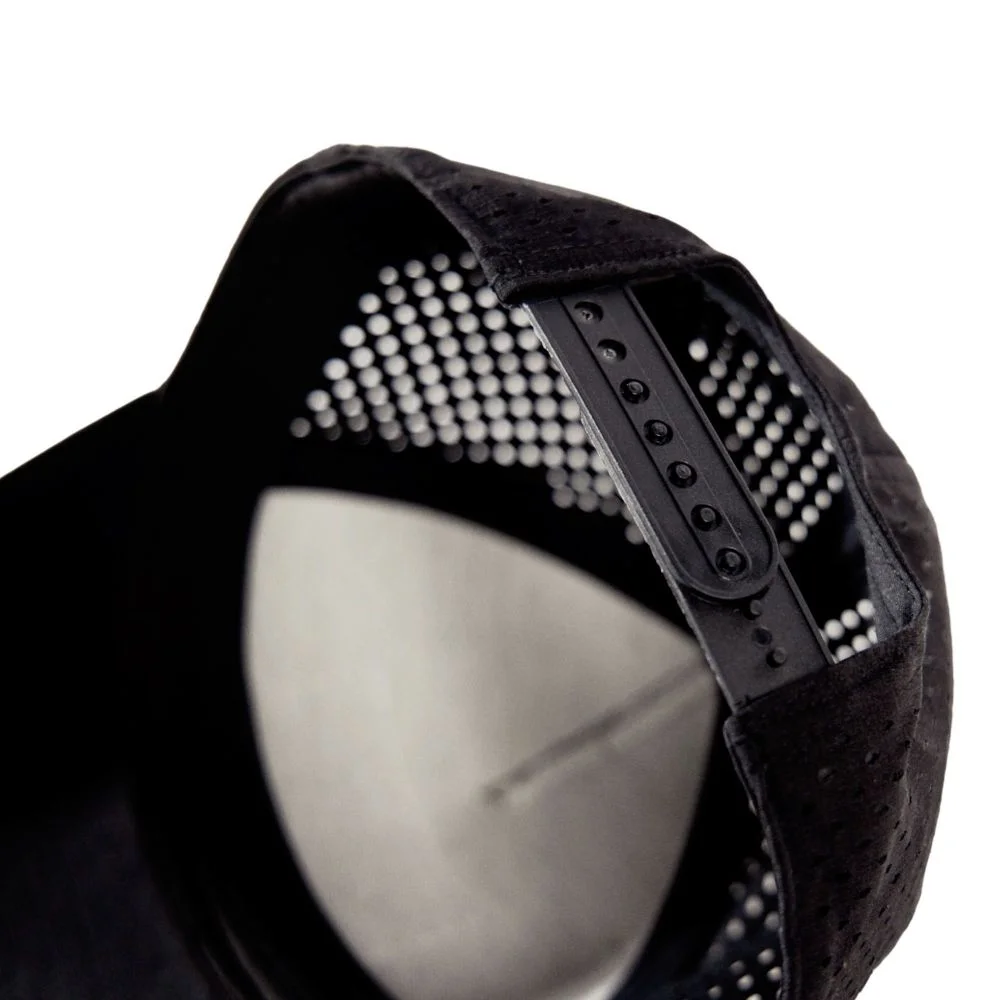
Adjustment range is only useful when the cap opening and crown shape are controlled. State how the cap is placed, where the internal circumference is measured and how much tension is applied during the check. Record the smallest and largest approved settings using named snap positions, strap marks or another repeatable reference.
A single one-size label should not replace measurements. Review the intended wearer range and decide whether one adjustable size is sufficient or whether the line needs separate size groups. The performance cap fit specification guide explains how to connect circumference, crown depth, opening and size grading.
| Fit field | Instruction to record | Approval evidence |
|---|---|---|
| Internal circumference | Name the measurement path, cap condition, tool and adjustment position | Sample measurement and marked closure position |
| Rear opening | State width, height, shape and the reference points used | Back-view drawing plus approved sample |
| Strap or elastic length | Record relaxed and working dimensions with the material code | Component record tied to the sample revision |
| Tail management | Define exposed tail, tuck-in channel or keeper position at relevant settings | Photos at the smallest, middle and largest approved settings |
| Pressure and stability | Agree on wearer assessment conditions for the intended activity | Wear notes linked to sample size and closure position |
Put these fields in the performance cap tech pack. Include back, inside and side views so the supplier can see the adjustment path and the relationship between the closure and sweatband.
A closure can feel secure during one fitting and still loosen after movement or repeated adjustment. Set a simple sequence that reflects the product’s sales claim and expected use. Record the starting condition, the action performed, the number of repetitions chosen by the brand and supplier, and the condition required afterward.
For hook-and-loop systems, measure the engaged overlap and inspect the edge after cycling. For snap straps, check every approved setting and look for whitening, cracking or poor stud engagement. For buckle systems, check whether the strap creeps through the slider. For elastic, compare the relaxed dimension and fit after the agreed conditioning and recovery period.
The closure should be evaluated where it joins the cap. Review seam type, stitch type, seam allowance, reinforcement, thread and the fabric layers caught by the seam. A strong component can still fail if the attachment tears a light shell fabric or if the seam misses a reinforcement layer.
ASTM D6193-16(2025) covers the requirements and characteristics of stitches and seams used in sewn items. It can support consistent construction terminology. It does not provide a universal pass force for a finished cap closure, so the buyer and supplier still need an agreed assembly test and acceptance value.
Use the performance cap seam strength guide to document the attachment method and evidence. If a pull test is required, state the direction, grip location, rate or procedure, sample count, conditioning and failure rule. Keep component failure, seam failure and fabric tear as separate result categories.
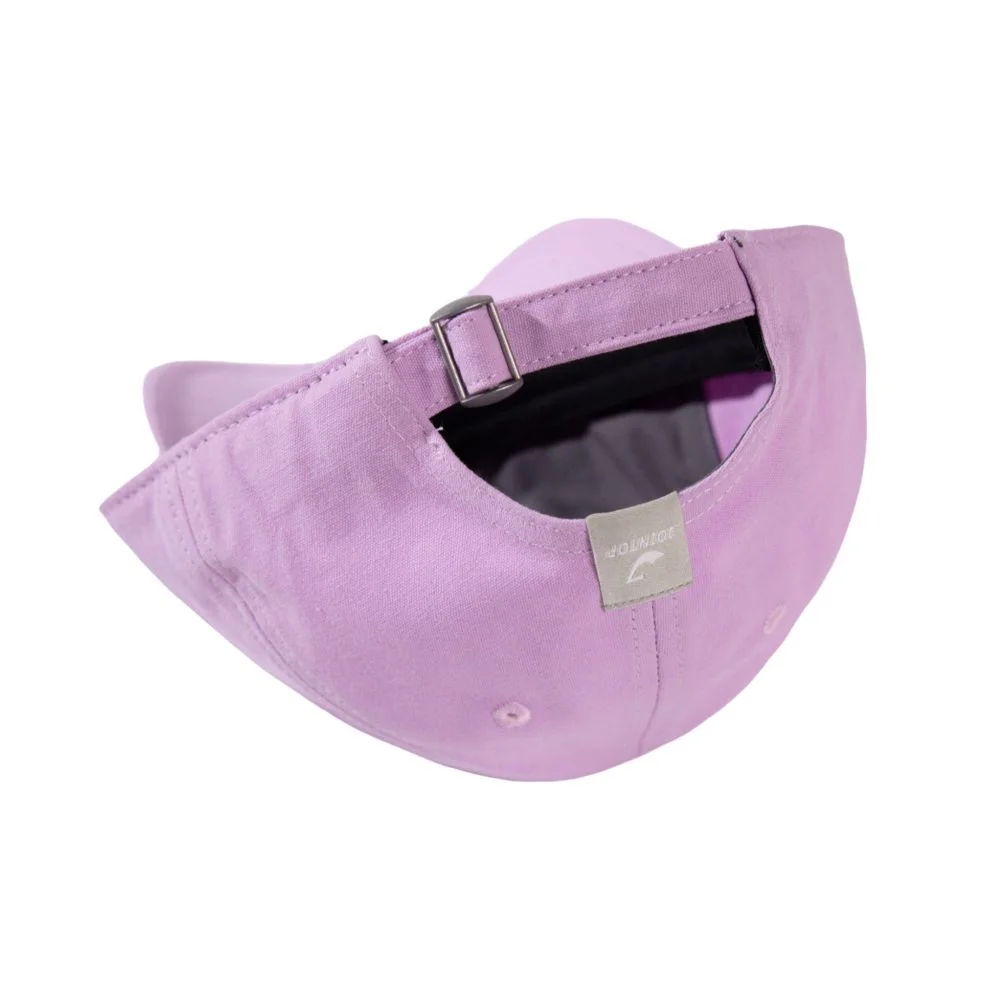
Performance caps may be exposed to sweat, sunscreen, rain, salt air, heat and repeated packing. Select conditioning that reflects the intended claim and destination. Inspect color transfer, odor, staining, swelling, embrittlement, coating change, sharp edges and loss of adjustment.
Metal parts need a defined finish and corrosion requirement. ASTM B117-26a describes apparatus and conditions for a controlled salt-spray environment used to obtain relative corrosion-resistance information for metals and coated metals. ASTM states that the practice does not prescribe the specimen, exposure period or result interpretation, and stand-alone salt-spray results do not reliably predict natural service performance.
If the program uses that practice, write the component, preparation, exposure, inspection points and pass criteria into the test request. A material name such as stainless steel, alloy or coated metal is not a complete acceptance rule. For molded plastic parts, confirm resin or component reference, color, surface quality and behavior after the agreed conditioning. For elastic, identify the exact elastic and compare tension and recovery on the finished cap.
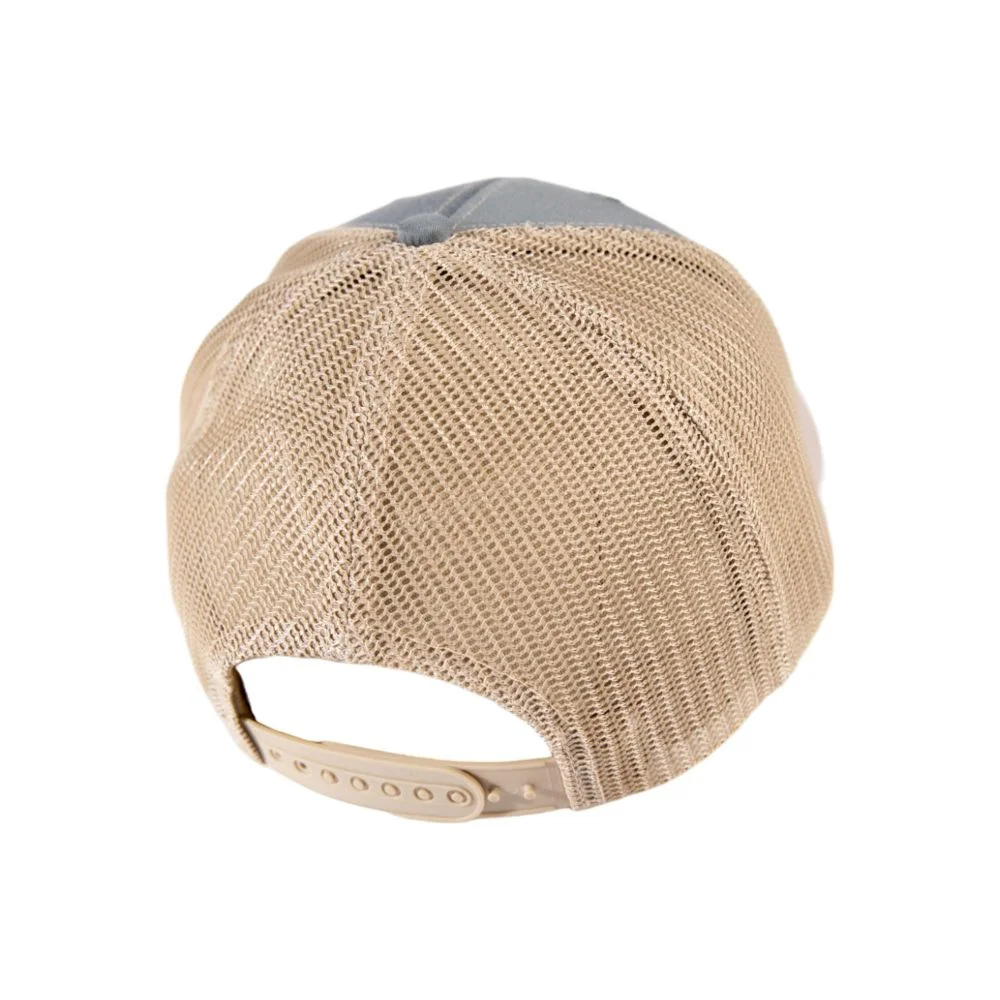
The development sample should carry a unique ID and revision. Review it on the intended cap rather than as a loose closure board. A closure can change the crown’s rear shape, the position of the sweatband and how the cap sits when tightened.
| Sample review | What to examine | Record to keep |
|---|---|---|
| Construcción | Component code, strap or elastic, opening, seam, reinforcement and tail route | Tech pack revision, material list and inside/back photos |
| Adaptar | Approved circumference range, pressure, stability and opening shape | Measurements, wearer size and selected positions |
| Función | Adjustment, retention, repeated use and post-conditioning behavior | Method, sample quantity, observations and disposition |
| Apariencia | Color, finish, symmetry, branding, coating and visible stitch quality | Approved sample ID and color-standard reference |
| Safety review | Sharp edges, burrs, exposed hooks, broken parts and skin-contact surfaces | Finding, correction and recheck evidence |
El performance cap sample approval checklist can hold the complete revision. Approve the closure only after open items have an owner, a required correction and a recheck result.
Bulk inspection should confirm the same component and construction approved in development. Start at incoming material and line setup. Waiting until final inspection can leave too many caps exposed to a wrong strap, finish, attachment or adjustment range.
| Production stage | Closure control | Evidence |
|---|---|---|
| Incoming components | Supplier or component code, color, dimensions, finish, mating parts and visible condition | Lot identity, approved reference, findings and disposition |
| Line setup | Attachment position, stitch or weld setup, opening shape and strap route | First-piece approval tied to line and revision |
| Inline inspection | Engagement, slippage, symmetry, reinforcement, loose threads and damage | Quantity checked, defects, correction and recheck |
| Final inspection | Adjustment range, appearance, retention and agreed functional sample checks | Lot, sample plan, results, approval and retained sample |
| Embalaje | Closure position, strap folding and protection from compression or scratching | Packing reference and carton release check |
Keep the sealed sample, component approval and inspection records under the same style and revision. The sample-to-bulk quality control guide explains how to connect those records across production.
The choice depends on weight, fit range, pressure, ventilation, adjustment during use and the brand’s look. Test the closure on the complete cap with the intended shell, sweatband and rear opening before choosing it.
There is no universal cycle count for every performance cap closure. Set the count from the product claim, expected use, component risk and customer requirements, then record the method and post-cycle pass criteria.
Define the engaged overlap, direction of force, specimen condition and acceptance rule. Inspect holding, edge curl, exposed hooks, debris pickup and the condition of the attachment after the agreed repeated-use sequence.
No. ASTM B117-26a defines a controlled salt-spray environment. The requesting program must specify the component, exposure period, inspection and result interpretation, and should not treat the result alone as a direct prediction of field life.
Repeat the relevant approval checks after a change to the component supplier, material, finish, dimensions, strap, elastic, rear-opening pattern, attachment construction, conditioning requirement or packing method.
Include the closure family, reference images or sample, cap size plan, rear-opening dimensions, material and finish preferences, branding, quantity per style and color, intended use, test requirements, destination and delivery target. The performance cap RFQ checklist covers the rest of the quotation inputs.
For a focused review, send your brand or website, cap style, quantity per style and color, vector logo file, target market, destination and required delivery date. Add the intended activity, wearer size range, preferred closure, reference sample or images, rear-opening requirement and any test method already used by your program.
You can send the project details to JoinTop and use the inquiry form at the bottom of the Contact Us page. A complete brief lets the development team compare closure options, prepare the right sample and identify the decisions that must be closed before bulk production.

 ES
ES  EN
EN  FR
FR  AR
AR  JA
JA  KO
KO  RU
RU  DE
DE  PT
PT  IT
IT  TR
TR