

Performance cap care instructions should be supported by evidence for the complete decorated cap. Review the shell, sweatband, visor insert, seams, logo and closure under the proposed cleaning and drying conditions. A fabric report alone cannot establish that the assembled product retains its approved shape, fit and appearance.
This guide helps brand product and sourcing teams develop a care-validation brief. It separates the cleaning procedure from the acceptance decision and connects both to the approved cap revision.
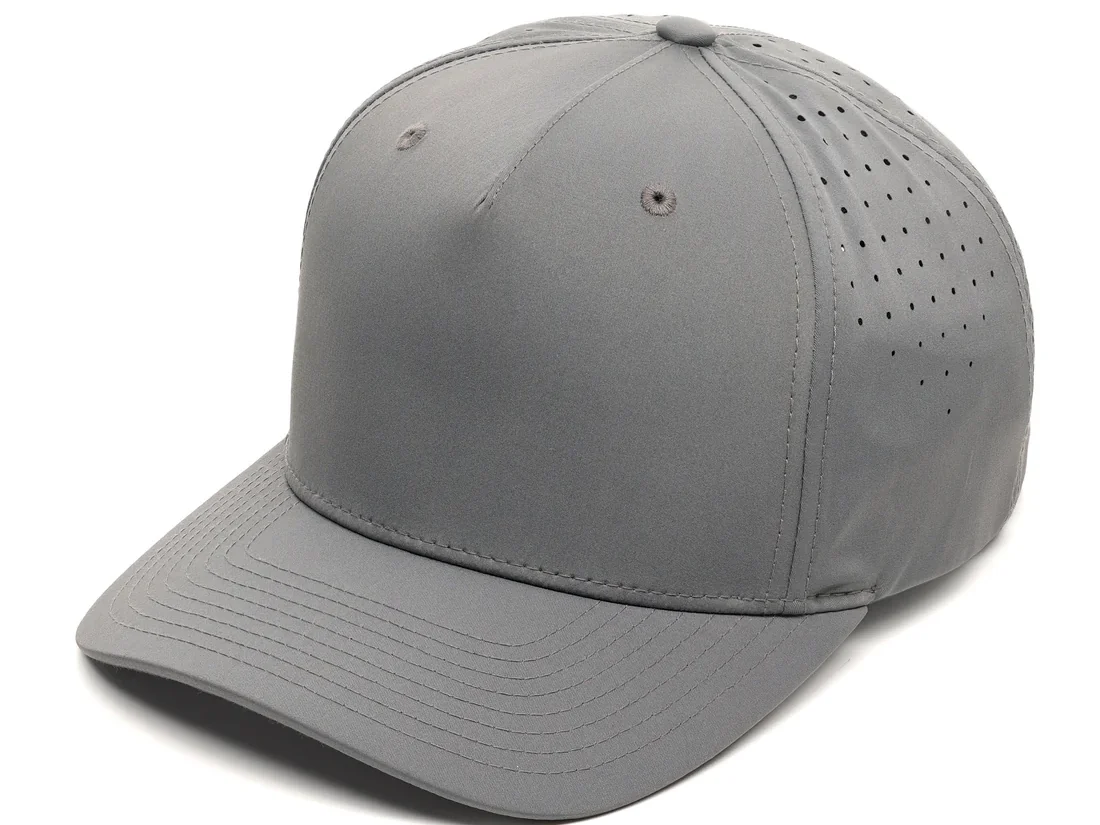
List components that may respond differently to care
Start with the bill of materials and the intended construction. Include hidden supports, adhesives, edge bindings and interior decorations. A visible shell may remain acceptable while another component shrinks, softens, stains or distorts.
Ask component suppliers for relevant information, then evaluate the combined product. Keep any conflict visible. A transfer's care recommendation and a visor insert's limitation must be resolved in the cap's actual instructions.
| Component | Observation after care | Reference to retain |
|---|---|---|
| Shell and support | Shape, shade, texture and dimensional change | Approved fabric and finished-cap measurements |
| Sweatband and lining | Opening, puckering, staining and feel | Component identity and fit record |
| Visera | Curve, insert condition and cover appearance | Approved visor profile |
| Decoration and trim | Lifting, cracking, discoloration and function | Approved logo and trim references |
Define cleaning and drying as separate conditions
Write down the complete sequence to be evaluated. Include the intended cleaning approach and the drying method. If the product needs reshaping during drying, specify how that step will be performed and communicated.
ISO 6330 (2021 edition) specifies domestic washing and drying procedures for textile testing. Select the relevant procedure with your laboratory. It does not supply a universal pass limit for a decorated cap.
If the intended care route falls outside that procedure, have the laboratory identify a suitable method or document a clearly named internal protocol. Do not label an improvised sequence as a standardized test.
Measure before and after under agreed conditions
Record the initial sample identity, closure setting, support arrangement and measurement points. After exposure, condition and measure the cap according to the agreed procedure. Keep both sets of results so the change can be reviewed.
Evaluate shape from consistent views. A cap photographed on a different form or with a different visor curve can create a false impression of improvement or damage. Keep a reference sample that has not undergone the trial.
| Check | Method to define | Buyer decision |
|---|---|---|
| Dimensions | Named points and measurement condition | Within agreed change limits |
| Crown and visor shape | Support and matched photographic views | Meets the approved appearance |
| Staining | Areas, colors and viewing condition | Meets the agreed visual criteria |
| Logo and closure | Appearance and functional checks | Acceptable after the specified sequence |
Set the acceptance criteria before reviewing the outcome. The brand should decide what change is acceptable for the intended collection rather than selecting a favorable threshold after seeing the result.
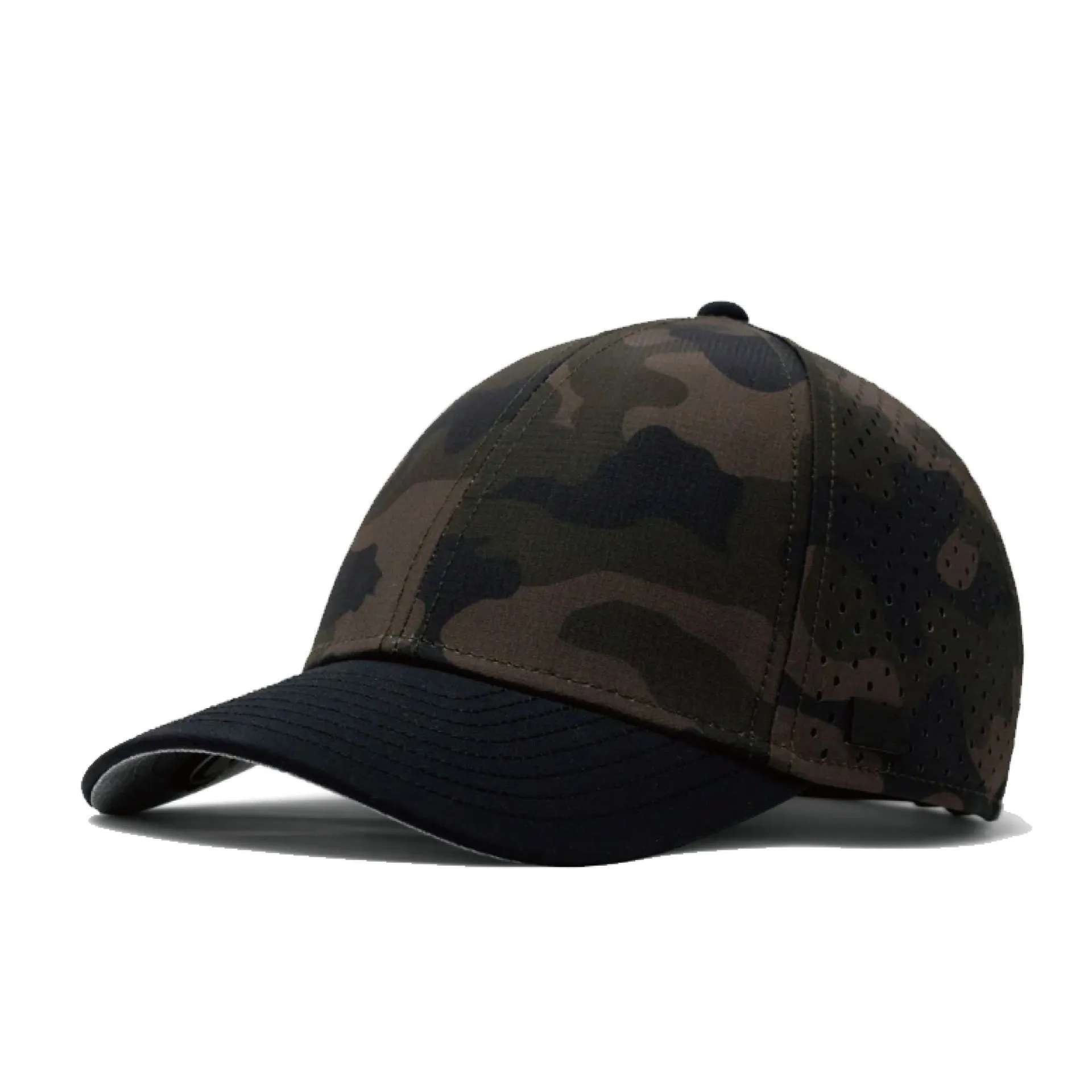
Make the care message match the evidence
ISO 3758 (2023 edition) describes care labelling using symbols. Confirm the symbol system and any use requirements applicable to the intended labels. This sourcing checklist does not replace the brand's market-specific label review.
Align the cap label, packaging, product page and customer-service instruction. A supported gentle-cleaning route can be undermined by a contradictory marketing statement. Review wording and artwork before printing labels or launching the style.
Keep the approved instruction with the cap revision and evidence. If you have tested a defined sequence, describe that evidence accurately in internal records without turning it into an unsupported promise of indefinite durability.
Resolve failure by component and cause
When a cap fails, locate the change before deciding the remedy. A tight opening may involve the sweatband or sewing tension. A changed visor profile may involve the insert, cover or drying condition. A peeling transfer needs its own material and process review.
After a corrective change, repeat the affected evaluations on the revised construction. Do not attach an old care approval to a replacement material without checking whether the old evidence still applies.
Use our dimensional stability guide, crown shape retention guide y sample approval checklist to organize the supporting reviews.
Questions about cap care validation
Can the shell fabric's care label be used for the whole cap?
Review all components and the assembled construction first. The complete cap can have limits that the shell fabric alone does not reveal.
Does hand washing eliminate the need for a trial?
The proposed cleaning and drying route still needs evaluation. Define the method and inspect the finished cap after the agreed sequence.
Should every logo variation be considered?
Review whether different artwork, decoration materials or attachment processes change the care risk. Agree the testing coverage with the responsible reviewer.
When should care approval be reopened?
Reassess changes to the shell, finish, sweatband, visor, decoration, trim or construction that could affect the cleaning result.
What should a brand provide to the sample team?
Provide intended care wording, target market, component requirements, reference cap and acceptance criteria. Include prior complaints or test reports if available.
Develop a care-ready performance cap
For your performance cap project, send your brand website, styles, quantities per color, artwork, target market, destination and delivery date through Contáctenos or the inquiry form below. Attach your proposed care instruction so it can be reviewed with the sample construction.


 ES
 EN
 FR
 AR
 JA
 KO
 RU
 DE
 PT
 IT
 TR