
Performance cap stretch and recovery describe how far a cap fabric extends under a stated force and how closely it returns to its starting dimension after that force is removed. Buyers need both values because easy extension can improve fit, while poor recovery can leave crown panels baggy, seams wavy or a stretch-fit cap larger than the approved sample.
A useful specification names the fabric direction, test method, force or extension, hold time, recovery time, conditioning and acceptance limits. It also checks the finished cap. Panel cutting, seams, perforation, decoration, sweatbands and elastic components can change the behavior seen in a fabric swatch.
There is no responsible universal pass value for every running, golf or outdoor cap. The brand and supplier should agree on values that match the construction, fit system, intended use and sales claims, then keep the same method from material approval through bulk production.
These terms answer different sourcing questions. Stretch describes extension while a stated force or displacement is applied. Growth describes the dimension that remains after the fabric has been extended and allowed to relax for a stated period. Recovery expresses how much of that extension the fabric regains under the selected method.
| Property | Buyer question | Record needed |
|---|---|---|
| Stretch or extension | How far does the material extend in the tested direction under the agreed condition | Original gauge length, direction, force or extension, hold time and result |
| Growth | How much permanent length remains after the load or extension is removed | Recovery interval, relaxed measurement and calculation method |
| Recovery | How much of the applied extension is regained after release | Time point, calculation and result for each tested direction |
| Finished fit | Does the assembled cap return to its approved size and shape | Measurement route, size, closure setting, cycle sequence and visual findings |
Ask laboratories and suppliers to report the raw dimensions as well as the calculated result. A percentage without the direction, procedure and time point is difficult to compare. The approved report should remain linked to the exact fabric article, color, finish and sample revision.
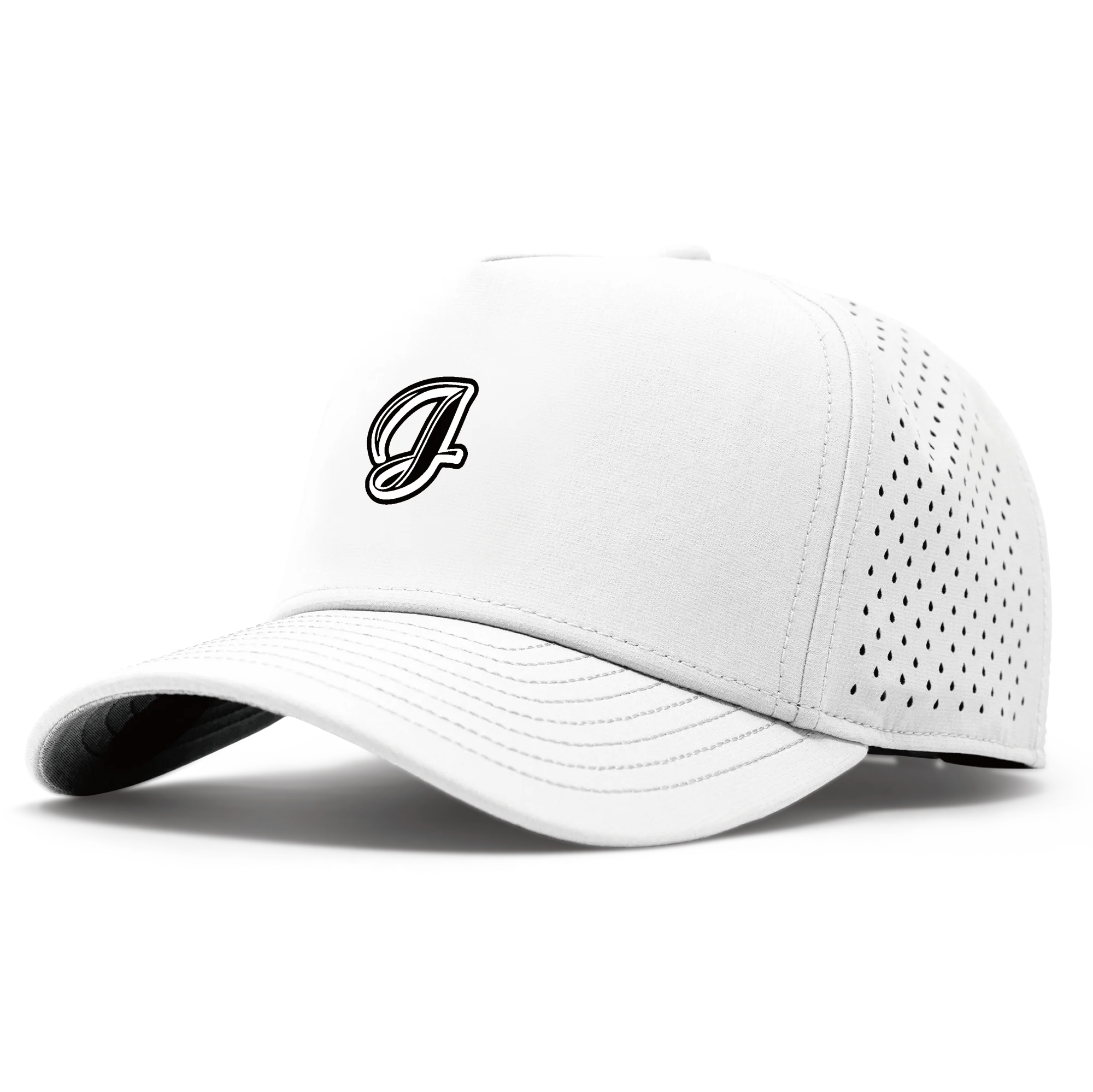
A woven stretch shell and a knitted side panel do not behave the same way. Identify the construction before naming a method. Record warp and filling for woven fabric, or wale and course for knit fabric. If the supplier uses different terms, place both on the cutting diagram so the test direction and panel orientation stay clear.
ASTM D3107-26 covers stretch, growth and recovery for woven fabrics made partly or fully with stretch yarns. The active 2026 edition uses stated tension or extension conditions and includes separate calculations. ASTM also notes limits on using the method for commercial shipment acceptance because results between laboratories can differ.
ASTM D2594/D2594M-21 addresses stretch and growth in knitted fabrics having low-power stretch. It measures extension under a known load and growth after a known extension is removed. Method suitability still depends on the fabric and product requirement.
Do not mix results from different procedures as if they were equivalent. Specimen size, load, extension, hold time, recovery time and conditioning can change the number. If two laboratories support development, align their procedure and compare matched material before relying on a shared limit.
Stretch direction affects fit and appearance. Circumferential extension may help a closed-back or flexible-fit cap cover a size range. Vertical extension can change crown depth. Bias movement may alter a curved seam or pull perforation fields out of shape.
Mark the grain or knit direction on each pattern piece in the performance cap tech pack. State whether mirrored panels must be cut in the same material direction. A fabric specification without a cutting orientation leaves room for two caps made from the same roll to behave differently.
| Cap area | Stretch decision | Risk to review |
|---|---|---|
| Front panels | Direction, reinforcement and logo area | Logo distortion, crown collapse or uneven tension around backing |
| Side and rear panels | Circumferential extension and panel orientation | Fit drift, uneven opening shape or asymmetric recovery |
| Perforated field | Direction relative to hole rows and seam allowance | Elongated holes, edge waviness or local tearing |
| Banda para el sudor | Band stretch, attachment stretch and overlap | Pressure, restricted shell extension or a loose inside circumference |
| Closed back or elastic section | Working extension and size grade | Excess tension, poor recovery or inconsistent size coverage |
Use the performance cap fit specification to connect material direction with crown depth, internal circumference and size grading. Material stretch cannot compensate for an undefined pattern or an unclear measurement path.
A lab request should identify the exact property and condition being evaluated. Give each specimen a material code, roll or lot reference, color, finish and direction. Name the standard edition or internal method. Record any agreed departure from that method.
| Test field | Instruction to specify | Reason |
|---|---|---|
| Material identity | Supplier article, composition, construction, mass, finish, color and lot | Prevents a result from being attached to the wrong fabric variant |
| Conditioning | Preconditioning, laboratory atmosphere and any care or exposure sequence | Makes the starting state traceable |
| Specimen | Dimensions, number, direction and cut location | Controls how the tested pieces represent the roll |
| Procedure | Method edition, load or extension, hold time, cycles and recovery intervals | Makes results comparable within the program |
| Acceptance | Limits for each direction, reporting precision and failure disposition | Turns data into a sourcing decision |
Set acceptance values after development testing on candidate fabrics and the approved cap. If the specification comes from a previous style, confirm that its fabric construction, panel layout and fit intent match the new program. Carry the exact approved method into purchase orders and quality documents.
Fabric results cannot show how all cap components interact. Seam direction, thread, seam type and reinforcement may restrict extension. A sweatband can add tension or become the least elastic layer. Heat, pressure or backing used for a logo can stiffen the front panel. Laser perforation removes material and can concentrate movement around the hole field.
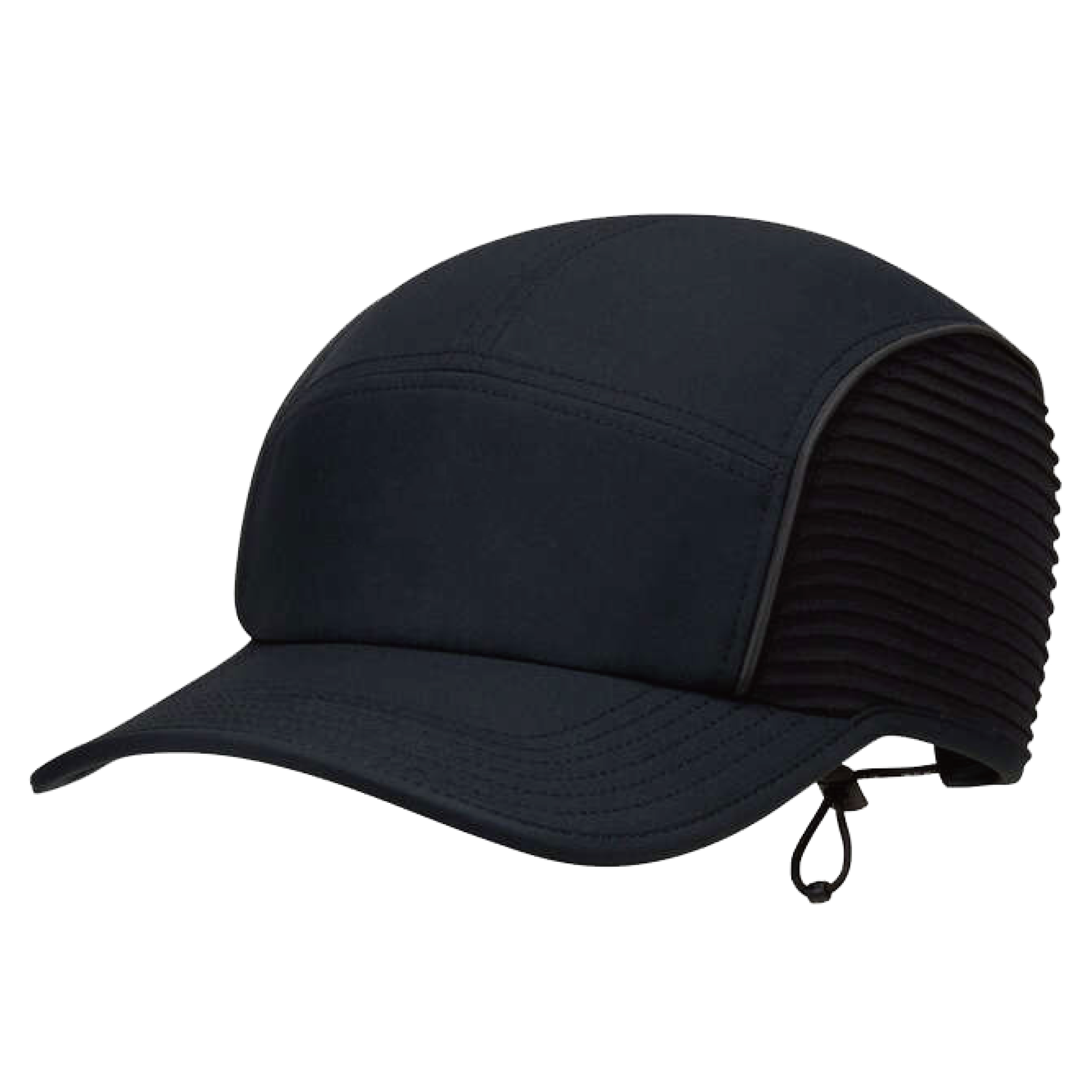
Use a repeatable finished-cap sequence. Measure the relaxed internal circumference and selected crown points. Extend or fit the cap under the agreed condition. Hold it for the stated period, release it and remeasure at named recovery intervals. Record seam waviness, panel bagging, logo distortion, perforation change and any difference between left and right panels.
El performance cap seam strength guide helps separate fabric behavior from seam slippage, thread failure or fabric tear. If the cap uses laser-cut ventilation, document the material and hole geometry with the laser perforation buyer guide.
Stretch approval should use a controlled sample rather than a hand-pull impression. A soft, easy-stretching cap can still recover poorly. A firmer cap may meet the intended fit if the pattern and band distribute pressure well. Record both laboratory evidence and finished-cap observations.
| Approval item | Evidence to keep | Decision to close |
|---|---|---|
| Base fabric | Test report, swatch, article, direction, color and lot | Approved method and limits for material release |
| Fit sample | Relaxed measurements, wearer size, wear condition and recovery measurements | Approved size coverage and any pattern correction |
| Apariencia | Front, side, back and inside photos before and after the sequence | Rules for bagging, waviness, distortion and symmetry |
| Construcción | Panel orientation, seams, sweatband, perforation, logo and elastic references | Components and operations frozen for bulk |
| Revision | Sample ID, tech pack version, comments and approval date | Single released reference for production |
El performance cap sample approval checklist can hold these records. If the fabric, finish, panel orientation, sweatband, logo process or elastic changes, identify which stretch and finished-fit checks need to be repeated.
Bulk fabric may vary by roll, dye lot or finish lot even when the nominal composition is unchanged. Define incoming identity checks and a sampling plan tied to the purchase specification. Keep tested pieces or retained swatches identified by lot when practical.
At line setup, verify panel orientation before cutting volume rises. Inspect the first assembled caps against the approved sample and measurement method. During sewing, watch for feed imbalance, stretched edges, puckering and inconsistent band tension. At final inspection, include a limited functional check using the same cap condition and measurement route used for approval.
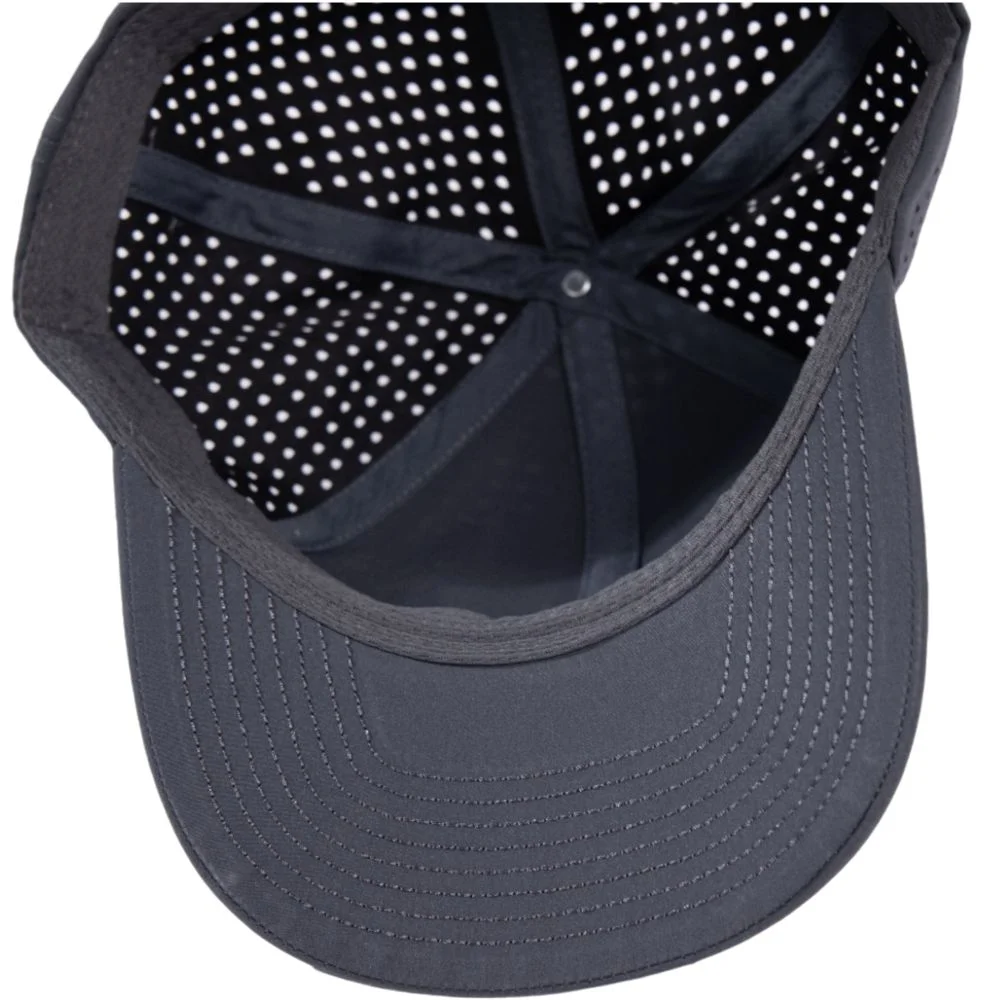
Link each result to the style, color, size, lot and inspection date. The sample-to-bulk quality control guide explains how to keep approvals, incoming checks, line controls and final inspection under one released revision.
Stretch is the extension measured while an agreed force or displacement is applied. Growth is the length that remains after the extension is removed and the specimen has recovered for a stated time. Both should be reported with the method and direction.
Test the directions that affect the cap design. Many programs need results in both principal fabric directions because panel orientation can change circumference, crown depth and seam behavior. A one-direction fabric may need added attention to cutting orientation.
Use one limit for both only after confirming that the methods, product function and result interpretation are equivalent for the program. Woven and knitted constructions often require different methods, loads or specimen handling.
No. It can support a quick comparison, yet it does not control force, extension, timing or recovery. Use a written material method and a repeatable finished-cap check, then keep the numbers and observations with the approved sample.
Repeat the relevant checks after a change in fabric supplier, article, yarn, construction, finish, color process, panel orientation, seam, sweatband, perforation, logo application, elastic component or care requirement.
Include the intended fit system, size range, fabric construction or reference, required stretch directions, test method if known, acceptance evidence, use conditions and any care or claim requirement. Use the performance cap RFQ checklist for the remaining quotation inputs.
For a focused review, send your brand or website, cap style, quantity per style and color, vector logo file, target market, destination and required delivery date. Add the intended activity, size range, preferred fit system, fabric reference, stretch direction and any test method or recovery limit already used by your program.
You can send the project details to JoinTop and use the inquiry form at the bottom of the Contact Us page. A complete brief lets the development team compare fabric and construction routes, prepare a relevant sample and document the decisions needed before bulk release.

 ES
ES  EN
EN  FR
FR  AR
AR  JA
JA  KO
KO  RU
RU  DE
DE  PT
PT  IT
IT  TR
TR