

Performance cap fabric weight and thickness are separate material properties. Fabric weight records mass per unit area, commonly in grams per square metre. Thickness records the distance between the fabric surfaces under a stated test pressure. A sourcing specification needs both when they affect hand feel, crown shape, opacity, ventilation, decoration or sewing.
Buyers should attach each result to the exact fabric article, construction, finish, color and test method. A number copied from a swatch label cannot control a cap program if the material identity, measurement pressure or sample location is missing. The approved cap should also be checked because seams, lining, sweatbands, perforation and logo processes change the finished result.
There is no universal fabric weight or thickness that suits every running, golf or outdoor cap. The right target follows the product brief, panel construction, climate, decoration and fit. Development should establish the target and tolerance, then carry the same definitions into the purchase order, incoming inspection and bulk records.
Separate fabric weight from fabric thickness
Two fabrics can have the same mass per unit area and feel different in a cap. Yarn size, weave or knit density, fiber type, brushing, coating and mechanical finish can change loft and compression. A thicker fabric can be relatively light if its structure contains more air. A dense thin fabric can be heavier than expected.
| Property | What it measures | Cap decision it supports | Information to retain |
|---|---|---|---|
| Mass per unit area | Fabric mass over a measured area | Material consistency, hand feel and construction comparison | Unit, method, specimen size, result and material lot |
| Thickness | Distance through the material under a stated pressure | Bulk, compressibility, seam stack and decoration setup | Unit, pressure, presser details, method and result |
| Finished-cap weight | Total mass of the assembled cap | Pack-out reference and whole-product comparison | Cap size, closure setting, components and measurement condition |
| Finished construction | How the approved cap looks and performs | Crown shape, opacity, comfort, sewing and logo approval | Sample ID, photos, measurements and signed comments |
Do not treat finished-cap weight as a substitute for fabric mass. Visor inserts, closures, sweatbands, labels, seam tape and decoration all contribute to the total. Use the material result to control the shell fabric and the finished result to control the complete style.
Name the material before setting a number
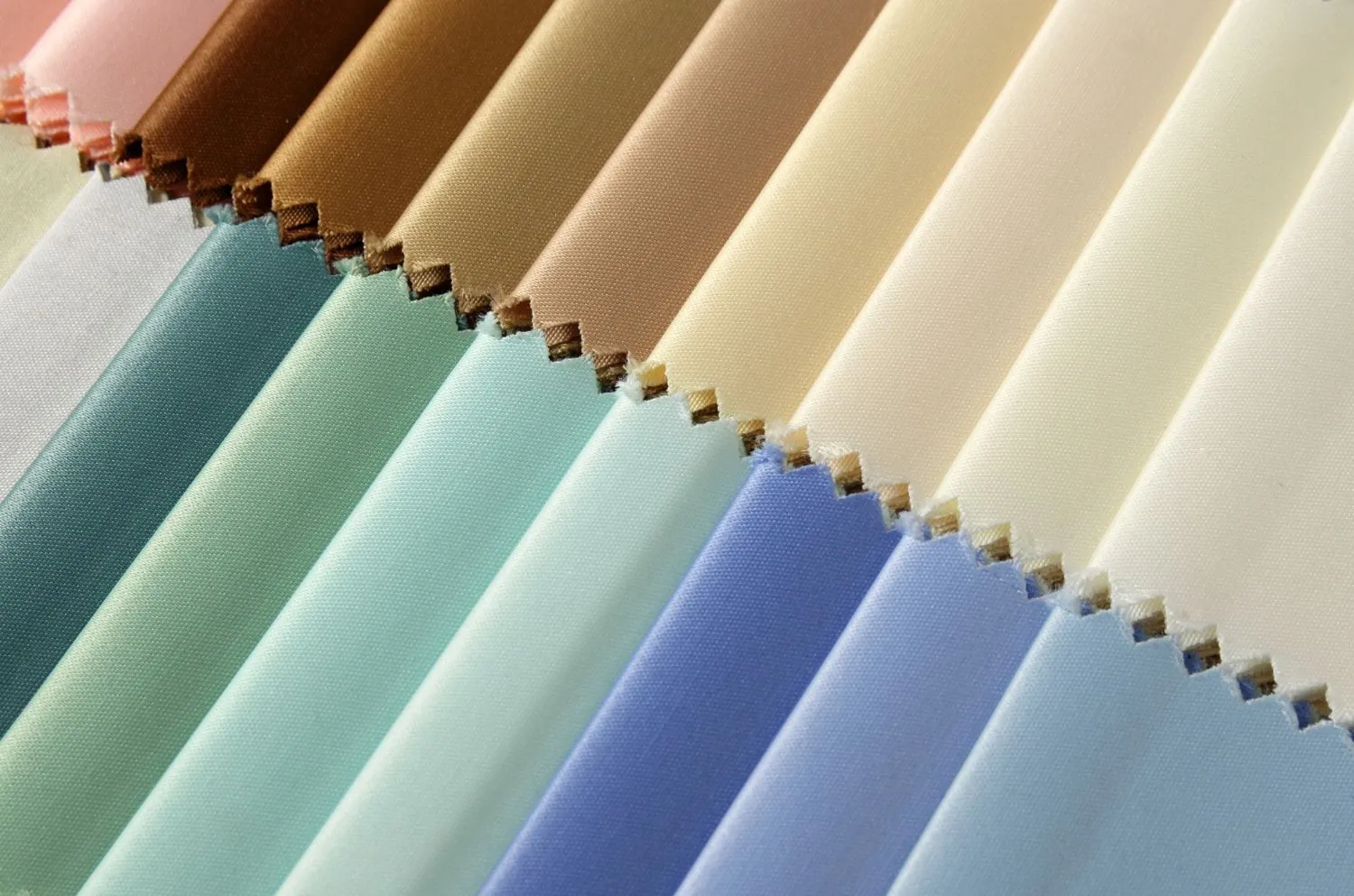
A weight target has little meaning without a fabric identity. Record whether the shell is woven, knitted, laminated or coated. Add the fiber composition, supplier article, yarn or construction reference, usable width, finish and color. If the cap combines materials, give each panel group its own line in the bill of materials.
Color and finish can affect the measured condition. A water-repellent finish, coating, print, brushing or heat treatment may change mass, surface profile or compressibility. Keep a separate result when a process creates a material variant. Do not merge several variants under one nominal fabric name unless development data supports the same acceptance range.
| Identity field | Example of a clear record | Problem it prevents |
|---|---|---|
| Supplier article | Unique mill or converter code and revision | Results attached to the wrong base fabric |
| Construction | Woven or knit type with material direction | Comparing structures that respond differently |
| Composition | Declared fiber blend for the tested article | Substitution hidden by a similar appearance |
| Finish | Named finish, treatment or coating version | Untracked changes in hand or compression |
| Color and lot | Color code plus dye or production lot | Variation separated from the tested material |
| Cap location | Front, side, rear or visor-cover panel | One result applied to every component |
Place these fields in the performance cap tech pack and link them to the panel map. A fabric change should create a new revision rather than silently replacing the approved reference.
Use a repeatable mass-per-area method
ASTM D3776/D3776M-20(2025) covers mass per unit area of fabric. Its options include measurement of a full piece or roll, a full-width sample, a small swatch and narrow fabric. The chosen option should fit the material stage and sampling purpose. A small specimen describes that specimen and may not represent an entire lot.
State the reporting unit and conversion rule. If development teams exchange grams per square metre and ounces per square yard, keep one control unit in the specification and show any converted value as a reference. Record the specimen dimensions, number of specimens, cut locations, conditioning and calculation. The balance resolution and cutting accuracy should suit the specimen size.
Avoid approving a result from an unidentified sales swatch. Ask whether the figure is nominal, measured or a range. For a measured result, request the method and material lot. For a nominal figure, set the verification step that will turn it into an approved production control.
Specify thickness with the test pressure
ASTM D1777-26 covers textile material thickness. The standard notes that thickness changes with applied pressure, so the pressure must be stated. A mill reading and a laboratory reading cannot be compared fairly when the pressure, presser geometry or specimen preparation differs.
Record the method edition, instrument, presser-foot details, applied pressure, conditioning, specimen count and reading locations. Keep seams, creases and obvious surface defects out of a base-fabric specimen unless the agreed procedure says otherwise. For a raised, padded or compressible construction, agree on the test setup before samples are compared.
Thickness matters where layers stack. A shell fabric folded into a seam, combined with reinforcement and covered by embroidery backing may require different machine setup from a single layer. The embroidery guide for lightweight performance caps explains why logo size, stitch path, backing and panel support need to be approved with the actual fabric.
Write a fabric specification another team can repeat
A usable specification separates target, tolerance and test instruction. The target describes the approved material. The tolerance defines the acceptable release range. The instruction tells the supplier and inspector how to obtain a comparable result. A label such as lightweight or premium is a design description, not a measurable acceptance rule.
| Specification field | Decision to write | Evidence for approval |
|---|---|---|
| Fabric identity | Article, construction, composition, finish, color and intended panel | Approved swatch and bill-of-material line |
| Mass per unit area | Target, tolerance, unit, method option and specimen plan | Signed material report with raw measurements |
| Thickness | Target, tolerance, unit, pressure and equipment setup | Signed report tied to the same fabric reference |
| Visual condition | Surface, opacity, hand, face side and permitted variation | Sealed swatch or controlled visual reference |
| Change control | Events that require review or retesting | Revision log and approval owner |
Set tolerances from development data, method variation and product needs. Do not copy a tolerance from an unrelated style. A close-fitting stretch cap, an unstructured running cap and a reinforced golf cap can respond differently to the same material shift.
Connect the numbers to each cap area
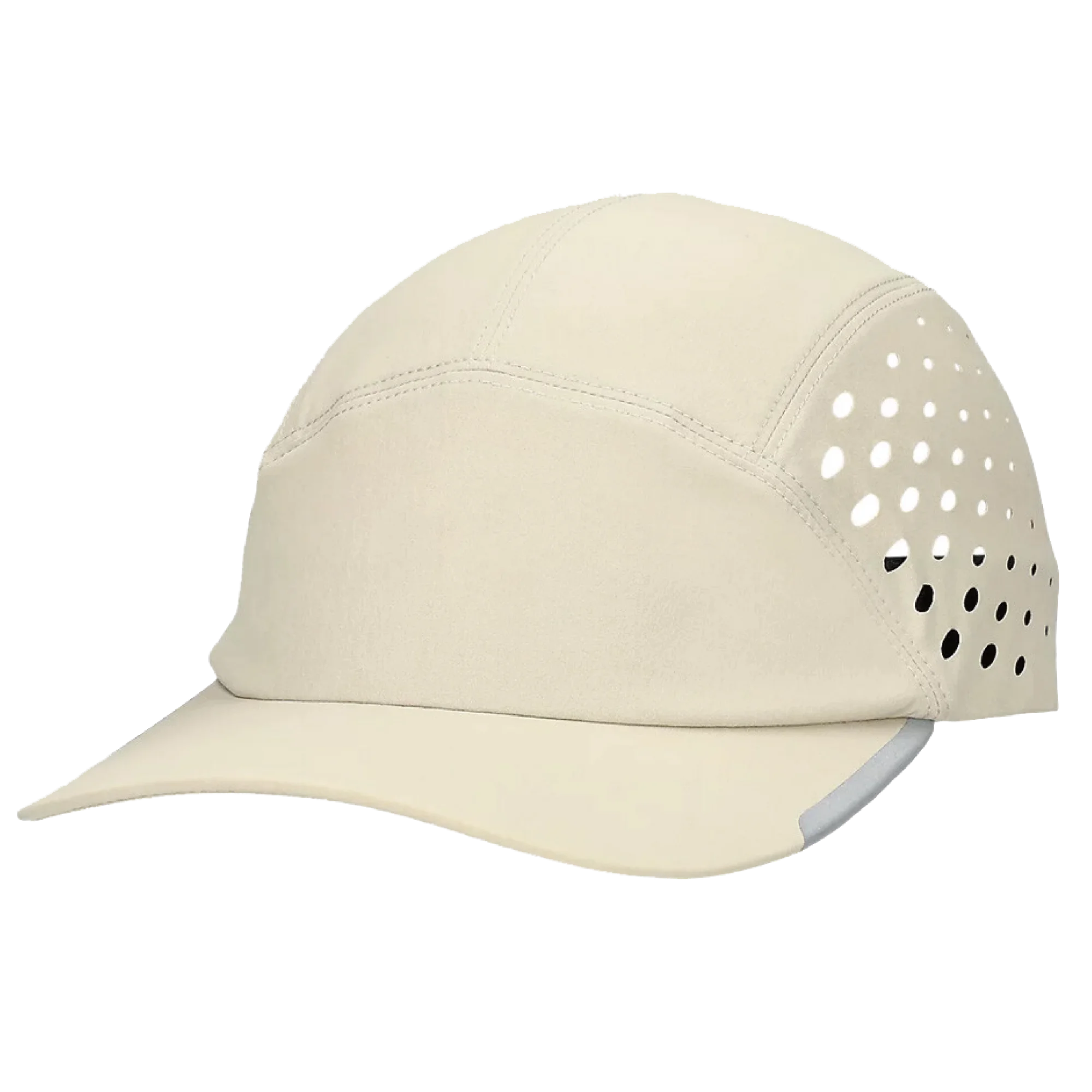
Fabric properties affect panels in different ways. Front panels may need enough body for the logo and crown profile. Side and rear panels may favor air exchange, flex or laser perforation. A visor cover must wrap and sew cleanly around the insert. An under-visor color can have a different fabric specification when its purpose differs from the crown shell.
| Cap area | Weight or thickness question | Finished-cap review |
|---|---|---|
| Front crown | Does the fabric and any reinforcement support the intended shape | Logo surface, crown profile, puckering and opacity |
| Side and rear crown | Does the material suit the ventilation and flexibility brief | Fit, drape, seam balance and panel symmetry |
| Perforated field | Is the construction stable around the selected hole pattern | Hole shape, edge condition and distortion after sewing |
| Visor cover | Can the fabric wrap the insert without excess bulk | Edge smoothness, curve, topstitching and underside finish |
| Layered logo area | How much material, backing and reinforcement enter the stack | Logo clarity, panel stiffness and reverse-side finish |
Review the fabric choice with the performance cap breathability plan. Low mass alone does not prove airflow or drying performance. Construction, coatings, perforation, lining and sweatband coverage can change the assembled cap.

Approve the fabric and the finished sample together
Begin with identified swatches and reports, then use the chosen fabric in the intended sample construction. Compare the cap with the product brief under consistent lighting and handling. Record crown shape, panel opacity, hand feel, seam behavior, visor wrapping, logo appearance and comfort observations. Keep the numerical fabric report with the sample record.
When the first sample feels too soft, stiff, bulky or transparent, identify the cause before changing the mass target. The issue may come from the construction, finish, reinforcement, seam stack or pattern. A direct jump to a heavier fabric can create new problems in ventilation, drying, drape or sewing.
Use the performance cap sample approval checklist to close comments against one sample ID. If stretch contributes to fit, pair the fabric record with the stretch and recovery specification. This keeps hand-feel comments separate from measurable fit behavior.
Control bulk fabric without hiding variation
Bulk control begins with the approved article and method. Define which rolls or lots will be checked, where specimens will be taken and how results will be recorded. Sampling should match the risk and purchase agreement. One convenient cutting from one roll cannot describe every delivery.
At incoming inspection, verify labels, article, color, finish and lot before measurement. Compare mass and thickness with the released limits using the same method details. Retain identified swatches when they help investigate later variation. A result outside the limit needs a documented disposition before cutting.

During spreading and cutting, watch for roll changes, face-side mistakes, tension and shade separation. At line setup, compare the first assembled caps with the approved sample. The sample-to-bulk quality control guide links incoming material checks, first-piece review, in-line checks and final inspection to one released revision.
Color processes may also affect fabric condition. Keep color and lot references aligned with the performance cap colorfastness plan so a passing mass or thickness result is not mistaken for evidence about color performance.
Buyer checklist before fabric release
- Every shell, visor-cover and contrast fabric has its own article and panel assignment.
- Construction, composition, finish, color and lot are recorded with the result.
- Mass per unit area and thickness are treated as separate properties.
- The method edition, specimen plan, conditioning and reporting unit are written down.
- The thickness pressure and equipment details are part of the test instruction.
- Targets and tolerances come from the intended material and cap construction.
- The approved swatch, report, sample and tech-pack revision agree.
- Incoming sampling and out-of-limit disposition are assigned before bulk arrives.
- Supplier, finish, construction and color-process changes have a reapproval route.
Frequently asked questions
Is a higher GSM fabric always thicker?
No. GSM describes mass per unit area, while thickness is measured through the material under a stated pressure. Fiber, yarn, construction and finish can produce different thickness readings at a similar GSM.
What fabric weight is best for a running cap?
There is no single best value. Choose a target from the cap construction, climate, coverage, opacity, durability, ventilation, drying and decoration requirements. Approve it on the intended sample and record the test method.
Why must the pressure be stated for thickness?
Textiles compress. A different applied pressure can produce a different reading on the same material. Recording the pressure and equipment setup makes development and bulk results more comparable.
Can a supplier certificate replace incoming inspection?
A supplier record can support traceability, though the buyer still needs an agreed release plan. The plan should define document review, identity checks, sampling, verification and action for an out-of-limit result.
Should every color use the same fabric limit?
Use one limit only after development confirms it suits the relevant color and finish variants. Keep the result linked to the tested color and lot, and define when a color-process change requires review.
When should fabric weight or thickness be retested?
Review testing after changes to the supplier, article, yarn, construction, finish, coating, print, color process or measurement method. Retest when the approved sample and incoming material no longer match or when the purchase specification requires it.
Send a fabric-ready development brief
For a focused review, send your brand or website, cap style, quantity per style and color, vector logo file, target market, destination and required delivery date. Add the intended activity, panel map, fabric reference, construction, preferred mass and thickness method, finish and any existing tolerance.
You can send the project details to JoinTop and use the inquiry form at the bottom of the Contact Us page. A complete brief gives the development team enough information to compare material routes, prepare a relevant sample and document what must remain stable for bulk production.

 EN
EN  ES
ES  FR
FR  AR
AR  JA
JA  KO
KO  RU
RU  DE
DE  PT
PT  IT
IT  TR
TR