

When it comes to custom apparel, two of the most popular decoration methods are embroidery and screen printing. Whether you’re designing branded uniforms, promotional t-shirts, or stylish merch, choosing the right technique can make a big difference in quality, durability, and cost.
But which one is the better choice for you? That depends on your design, fabric, budget, and personal preference. In this guide, we’ll break down the pros and cons of each method so you can make an informed decision.
Understanding Embroidery
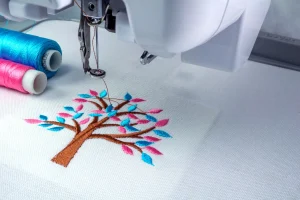
Embroidery is a stitching technique that uses thread to create raised, textured designs on fabric. It gives a premium, long-lasting finish, making it ideal for professional branding and high-quality apparel.
How Embroidery Works
A specialized embroidery machine stitches the design directly onto fabric using multiple colored threads. The design is first digitized, meaning it’s converted into a format that the machine can read. Once set up, the machine stitches layer by layer to create a textured, durable design.
Best Fabrics & Ideal Uses
Embroidery works best on thicker fabrics like:
- Cotton (polos, caps, jackets)
- Denim (shirts, jeans, bags)
- Fleece & Hoodies
It’s a great option for:
- Business logos on uniforms & hats
- Luxury branding for high-end apparel
- Small designs like monograms or emblems
Pros of Embroidery
- Durability: Can withstand washing, stretching, and wear over time.
- Professional Look: Adds a premium feel, great for corporate branding.
- Textured Finish: The raised design gives a unique, high-quality look.
- Long Lifespan: Embroidered designs won’t fade, peel, or crack like prints.
Cons of Embroidery
- Limited Color Variety: Uses thread, so gradients and complex shading are difficult.
- Higher Cost for Complex Designs: More stitches mean higher pricing, making large designs expensive.
Understanding Screen Printing
Screen printing, also known as silk screening, is a method that transfers ink onto fabric using a mesh screen and stencil. It’s one of the most popular techniques for bulk orders and vibrant designs.

How Screen Printing Works
A stencil (screen) is created for each color in the design. Ink is then pushed through the screen onto the fabric, layer by layer. After drying and curing, the design becomes part of the fabric, creating a smooth, colorful print.
Best Fabrics & Ideal Uses
- Screen printing works best on flat, smooth fabrics like:Cotton & Cotton Blends (t-shirts, hoodies, tote bags)
- Polyester & Synthetic Blends (sportswear, performance gear)
It’s a great choice for:
- T-shirts & hoodies with large, bold designs
- Event merch & promotional items
- Streetwear & fashion brands
Pros of Screen Printing
- Vibrant Colors: Can achieve bright, bold designs with high contrast.
- Cost-Effective for Large Batches: Best for bulk orders due to lower per-unit cost.
- Smooth Finish: The ink sits flat on the fabric, making it comfortable to wear.
Cons of Screen Printing
- Less Durable Over Time: Prints may fade or crack after multiple washes.
- Limited Fabric Compatibility: Works best on smooth surfaces, may not adhere well to textured fabrics.
- Higher Setup Costs for Small Orders: Each color requires a separate screen, making small runs expensive.
Key Differences: Embroidery vs. Screen Printing
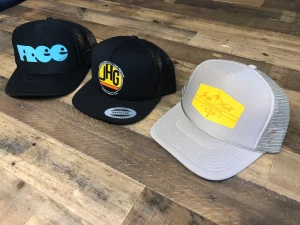
Now that we understand how embroidery and screen printing work, let’s break down their key differences. Choosing the right method depends on factors like durability, design complexity, fabric compatibility, and budget.
Durability & Longevity: Which Lasts Longer?
If you’re looking for long-term durability, embroidery is the winner. Since designs are stitched directly onto the fabric, they can withstand frequent washing, stretching, and wear without fading or peeling.
Screen printing, on the other hand, is less durable over time. While high-quality inks can last through many washes, prints may eventually crack, fade, or peel, especially without proper care.
For work uniforms, corporate apparel, and premium branding, embroidery is the better option. If your goal is affordable, large-scale production, screen printing remains a practical choice.
Design & Aesthetic: Texture vs. Smooth Finish
Embroidery adds a textured, raised effect, giving designs a premium and professional feel. It’s a popular choice for logos, emblems, and monograms on polo shirts, jackets, and hats.
Screen printing creates a smooth, flat finish, making it ideal for bold graphics, intricate details, and large designs. It’s the go-to for t-shirts, hoodies, and trendy streetwear, offering vibrant colors and a sleek appearance.
If you want a sleek, modern look, go for screen printing. If you want a polished, premium feel, embroidery is the way to go.
Color & Complexity: Multicolor vs. Fine Details
Embroidery works best for solid colors and simple designs. Since it uses thread, it struggles with gradients, shading, and highly detailed artwork.
Screen printing, however, excels at detailed and multicolor designs. It can handle gradients, photorealistic images, and intricate patterns, making it perfect for graphic tees and artistic prints.
If your design is highly detailed or has many colors, screen printing is the better choice. If it’s a clean, simple logo, embroidery will give it a refined touch.
Fabric Compatibility: What Materials Work Best?
Embroidery works best on thicker fabrics like polos, denim, and jackets because it requires a stable surface to hold the stitches. It may not be ideal for thin, stretchy fabrics, as the stitching can cause puckering.
Screen printing is more versatile, working well on cotton, polyester, and blends, making it ideal for t-shirts, hoodies, and sportswear. However, it may not adhere well to highly textured or water-resistant fabrics.
If you’re customizing corporate apparel or structured garments, embroidery is a great fit. For casual wear or lightweight materials, screen printing is the better choice.
Cost Analysis: Which is More Budget-Friendly?
Embroidery tends to be more expensive because of the labor-intensive stitching process. The more complex and large the design, the higher the cost. However, for small logos or branding, the price remains reasonable.
Screen printing is more cost-effective, especially for bulk orders. The setup cost for screens can be high, but once prepared, printing in large quantities is much cheaper than embroidery.
If you need a few high-quality embroidered pieces, the investment is worth it. If you’re producing hundreds of printed shirts, screen printing will save you money.
Choosing the Right Method for Your Needs
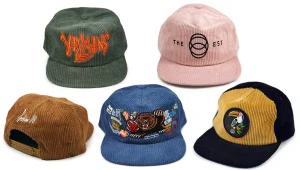
Now that you know the key differences, here’s how to pick the best option based on your needs.
Business Branding: Best for Logos & Promotional Items
For company uniforms, caps, and professional apparel, embroidery is the top choice. It gives a high-end, polished look and lasts longer, making it ideal for corporate branding.
Fashion & Streetwear: Trend-Based Choices
For trendy designs, band merch, and casual fashion, screen printing is the better option. It supports bold graphics, colorful prints, and intricate details—perfect for streetwear brands.
Corporate vs. Casual Wear: When to Choose Embroidery vs. Printing
Embroidery is the best option for polos, jackets, and high-end uniforms, while screen printing is perfect for casual t-shirts, event merch, and everyday wear.
Budget & Order Size Considerations
If you have a small order of premium items, embroidery is worth the investment. If you need bulk printing at an affordable price, screen printing is the way to go.
Advanced Techniques & Innovations (Newly Added)
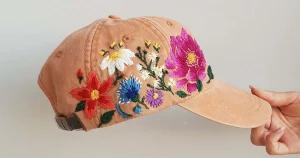
The apparel decoration industry is evolving, and new techniques are pushing the limits of both embroidery and screen printing.
Hybrid Printing: Mixing Both Methods for Unique Results
Some brands are combining embroidery and screen printing for a best-of-both-worlds effect.
For example:
- Embroidery for logos + Screen printing for background designs
- Printed base layers with embroidered accents
This technique creates depth, texture, and a unique aesthetic—a game-changer for high-end branding and fashion.
New Technologies Enhancing Embroidery & Screen Printing
- 3D Puff Embroidery: Adds raised, three-dimensional effects to designs.
- Water-Based & Eco-Friendly Inks: More sustainable screen printing options.
- Direct-to-Garment (DTG) Printing: A digital printing method for photo-quality designs.
With these innovations, custom apparel is more versatile than ever. Whether you prefer classic embroidery, bold screen printing, or a mix of both, there’s a method that fits your style and needs.
Maintenance & Longevity Tips
To ensure your custom apparel lasts as long as possible, it’s important to care for it properly, whether it’s embroidered or screen printed. Here are some tips to help you maintain the quality and durability of your garments.
Caring for Embroidered Garments
Embroidery is tough, but it requires special attention to keep it looking fresh:
- Wash inside out to prevent friction on the stitching.
- Avoid bleach and harsh detergents that can weaken the thread.
- Air dry your garments instead of using a dryer, which can damage the embroidery.
- Iron with care, using a low heat setting and ironing on the reverse side to avoid direct contact with the stitching.
Following these tips will help maintain the premium look and longevity of your embroidered apparel.
Preserving Screen-Printed Designs
Screen printing can be more prone to fading, so it’s essential to take extra steps to protect the print:
- Wash inside out to prevent direct abrasion on the design.
- Use cold water for washing to avoid ink from cracking or fading.
- Avoid fabric softeners that can break down the print over time.
- Air dry your garments to preserve the print’s integrity.
By following these simple steps, your screen-printed designs will stay vibrant and in great condition longer.
Conclusion
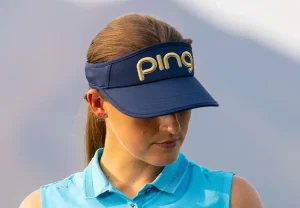
To wrap it up, both embroidery and screen printing offer distinct advantages, but the best choice depends on your specific needs.
- Embroidery provides a high-end, durable finish perfect for corporate wear and premium branding.
- Screen printing offers vibrant colors and cost-effective bulk production, making it great for casual apparel and promotional items.
When deciding between the two, consider the design complexity, fabric choice, budget, and the intended use of the garment.
By understanding the differences in durability, design, and cost, you can make an informed decision and ensure your custom apparel stands out and lasts. Whether you go for the textured elegance of embroidery or the bold, cost-effective options of screen printing, both methods will provide you with unique results that match your goals.
Looking for High-Quality Custom Caps?
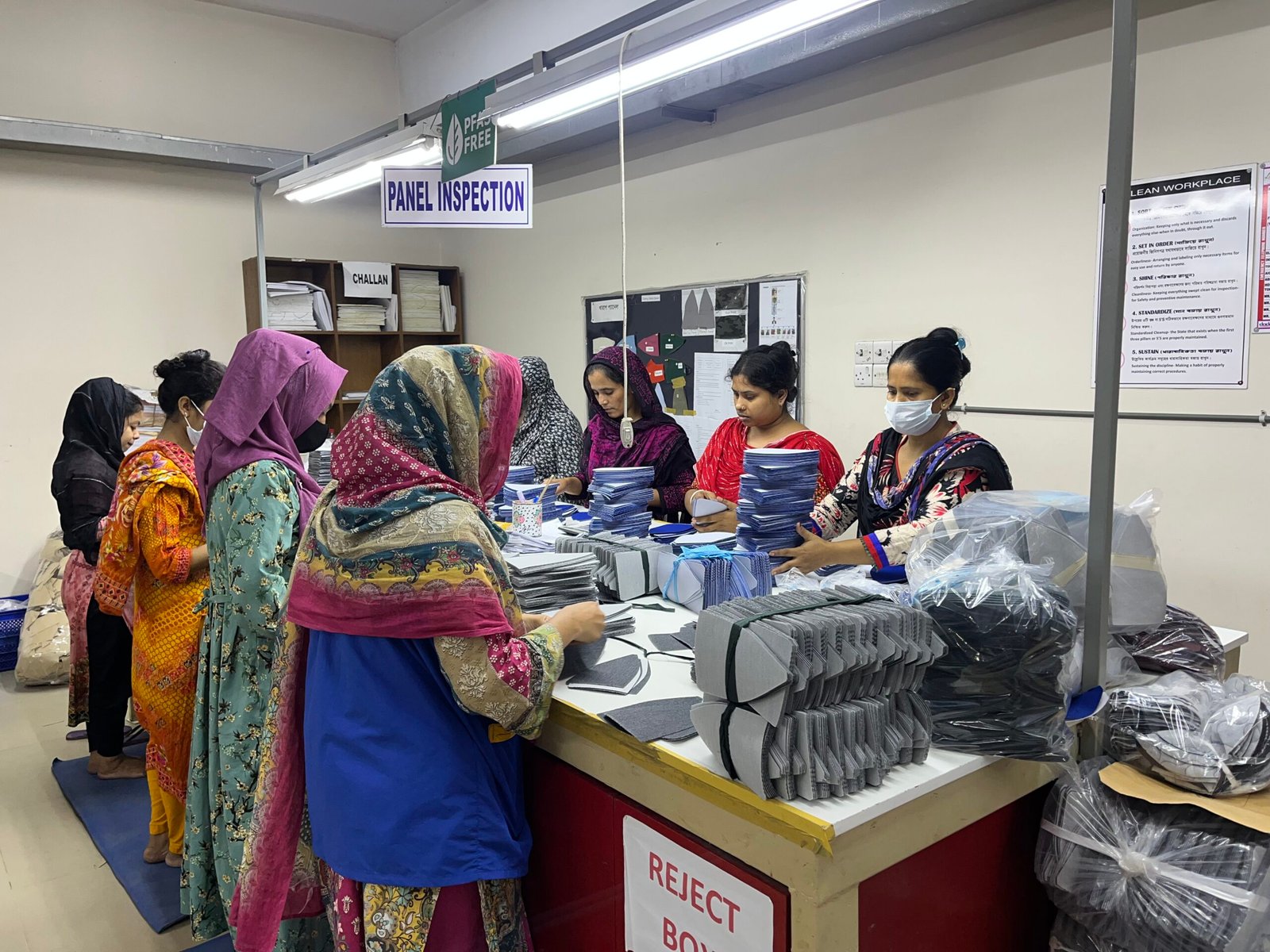
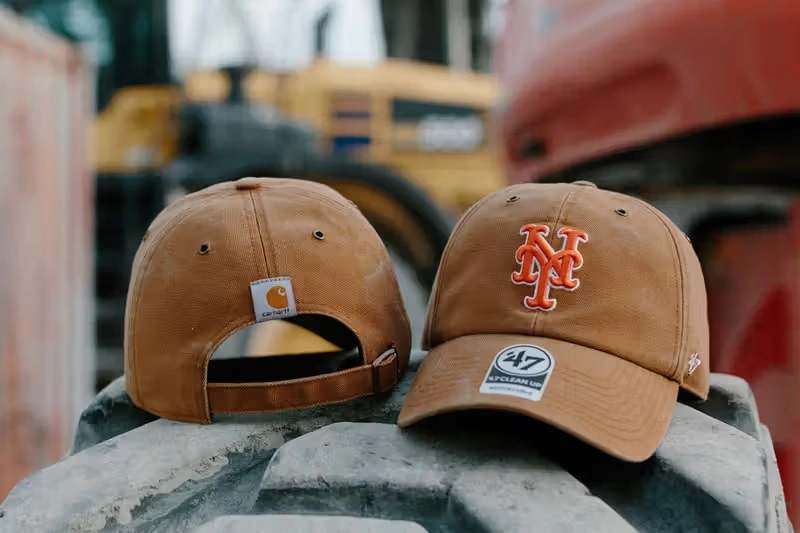
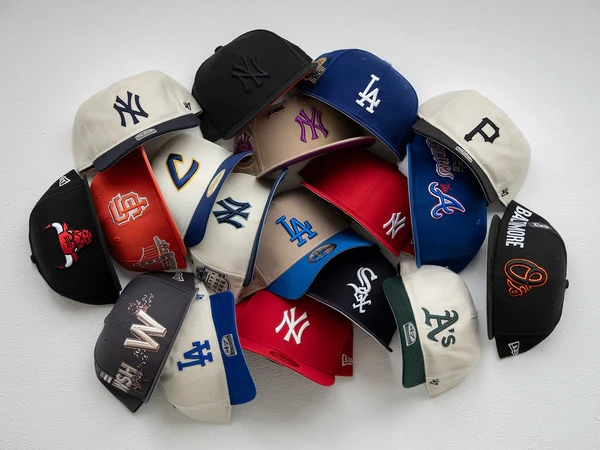
At JoinTop, we specialize in premium custom caps with both embroidery and screen printing options to fit your style and brand needs. Explore our collection and discover how we can bring your designs to life with top-notch craftsmanship and durable materials.
 EN
EN  ES
ES  FR
FR  AR
AR  JA
JA  KO
KO  RU
RU  DE
DE  PT
PT  IT
IT  TR
TR