

Choosing the right golf cap isn’t just about logos or style—it’s about the fabric that keeps you comfortable on the course. In this guide, we compare cotton, polyester, and performance fabrics, looking at how each handles breathability, sweat-wicking, sun protection (UPF), durability, and care.For seasonal picks and weather-specific tips, see our guide to choosing golf caps for every season.

By the end, you’ll know which material is best for hot and humid rounds, which shines in dry, mild weather, and which offers the most value for all-day play. This way, your next golf cap won’t just look good—it will perform where it matters.
Quick Material Snapshot

| Material | Comfort & Feel | Dry Time / Sweat | UPF Protection | Best Use |
|---|---|---|---|---|
| Cotton | Soft, natural, classic | Slow to dry | Low (unless treated) | Mild or dry weather |
| Polyester | Smooth, shape-stable | Fast-drying | Often 30+ | Hot, humid, or travel |
| Performance fabrics | Stretch, engineered | Quick-dry, wicking | 30–50+ | Tough climates, all-day play |
Cotton
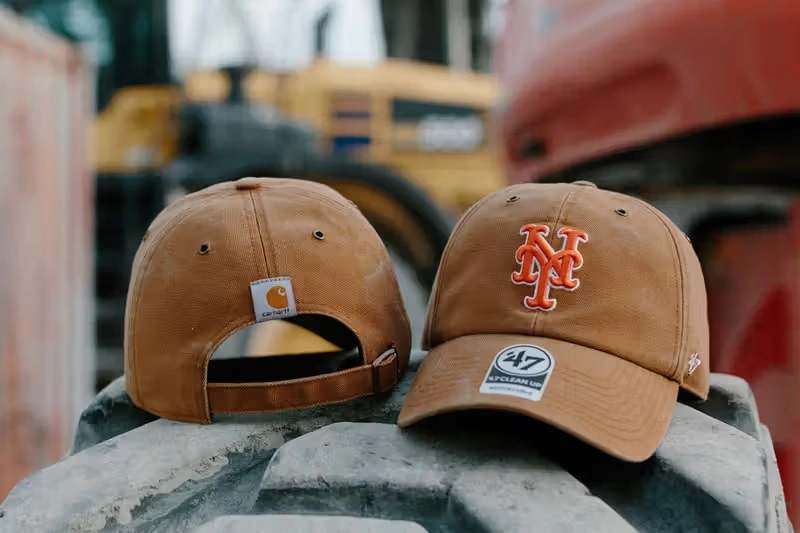
Cotton golf caps are loved for their soft, natural feel and classic style. They breathe well but tend to absorb sweat, making them heavy on hot days. Because cotton dries slowly and has a lower built-in UPF rating, it may not be the best pick for long rounds in direct sun.
Polyester
Polyester caps are popular because they wick away moisture and dry fast. They also hold their shape well, resist shrinking, and usually offer better sun protection. Some golfers find polyester feels less natural than cotton, but it performs better in hot or humid weather.
Performance fabrics
Performance fabrics are blends like poly-spandex or poly-nylon, engineered for comfort and function. These hats often include stretch, mesh panels, and UPF 30–50+ protection. They balance quick-dry technology with breathability, making them a smart choice for golfers who play in tough climates or need all-day comfort.
On-Course Performance: Head-to-Head

Moisture and dry time
Cotton caps soak up sweat quickly and stay damp, which can make them heavy and uncomfortable. Polyester and performance fabrics are designed to wick sweat away, drying much faster so you stay cooler and fresher during long rounds.
Sun protection (UPF)
Cotton offers only limited UV protection unless specially treated. Polyester and performance caps often come with UPF 30–50+ ratings, blocking most harmful rays. This makes them a safer option for golfers spending hours in full sun.
Breathability and heat
Cotton has a natural airy feel, which helps in mild weather. Performance fabrics, however, often feature laser perforations, mesh panels, or venting designs, giving them the edge in hot, humid conditions where airflow is key.
Durability, shape, and odor
Cotton may shrink, fade, or lose shape over time. Polyester and performance fabrics resist wear, hold color longer, and dry quickly, which also reduces odor buildup from sweat. They simply last longer with less maintenance.
Blends, Weaves & Construction

Blends
Golf caps made with blended fabrics give you the best of both worlds. A poly-cotton mix keeps some of cotton’s soft comfort while drying faster than pure cotton. Meanwhile, poly-spandex blends add stretch, helping the cap stay snug during swings without feeling tight.
Weaves and knits
The way a fabric is woven or knitted changes how it feels on your head. Twill weaves are sturdy and classic, while mesh or piqué knits are lighter and let in more air, which matters on hot days.
Build details
Small construction details can change comfort just as much as fabric choice. Caps with moisture-wicking sweatbands handle sweat better, while perforated or mesh panels improve airflow. Structured or unstructured crowns also affect how the cap sits and breathes.
Best Picks by Climate & Player

Hot, humid, or high sun
If you play in warm or tropical climates, polyester or performance golf caps are the best choice. Their quick-dry fabric, UPF protection, and often perforated panels help keep you cooler and shielded from harmful UV rays.
Dry or mild weather, or style-first golfers
When the weather is calm and comfort matters more than tech features, a cotton twill cap is a timeless option. It feels soft, looks classic, and works well if sweat and sun exposure aren’t major concerns.
Travel and tournaments
For golfers on the go, polyester or performance caps shine. They resist wrinkles, keep their shape in a bag, and dry quickly between rounds—perfect for long days or multi-day events.
Care & Longevity

Cotton
Cotton golf caps need a little extra care. Wash them in cold water, gently reshape while damp, and let them air-dry. Keep in mind that cotton may shrink or fade over time, especially if exposed to heat or harsh detergents.
Polyester and performance fabrics
Polyester and performance caps are easier to maintain. A gentle machine wash usually works fine, but avoid high heat when drying. These fabrics hold their color and shape better than cotton, giving you longer-lasting wear with less fuss.
Price, Value & Sustainability

Price and value
Cotton golf caps are usually the most affordable, but they may not last as long if used heavily. Performance caps, with features like UPF protection, laser-cut perforations, and branded sweat-wicking technology, often cost more. Blended fabrics like poly-cotton or poly-spandex offer a middle ground, balancing comfort, durability, and price for good overall value.
Sustainability snapshot
When it comes to eco-friendly choices, each fabric has trade-offs. Organic cotton reduces chemical use but requires significant water to grow. Recycled polyester (rPET) helps cut down plastic waste but can release microfibers when washed. Many newer performance golf caps now use rPET to combine function with sustainability.
Conclusion

When you look at Golf Cap Materials, the right pick depends on climate and play. Breathable, quick-dry builds with solid UPF keep you cool, dry, and focused. Modern caps combine airflow, moisture control, and sun protection so your hat performs every round.
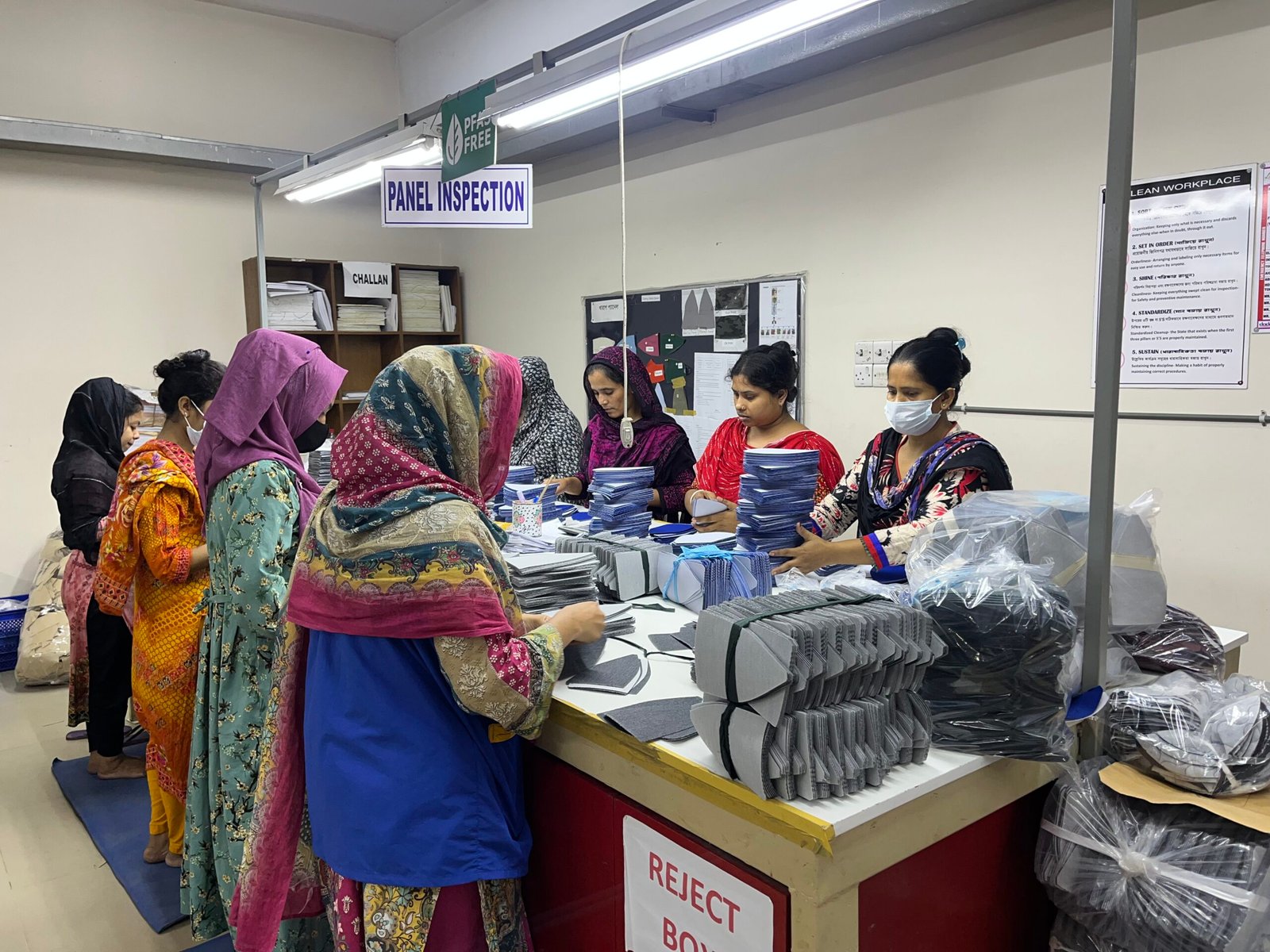
At Jointop, we craft custom golf and performance hats with full OEM/ODM support. With local factories in China, Bangladesh and Vietnam, we support fast sampling, competitive pricing, and flexible order quantities.
Whether it’s cotton, polyester, or performance styles, our team can build to spec for teams, races, and wholesale programs—then deliver on time. Contact our team to get started.
 EN
EN  ES
ES  FR
FR  AR
AR  JA
JA  KO
KO  RU
RU  DE
DE  PT
PT  IT
IT  TR
TR