

A performance cap AQL inspection plan needs more than an AQL number. The buyer and supplier must agree what constitutes a lot, how samples are selected, how defects are classified, which sampling scheme applies and who can release the shipment. Acceptance sampling provides a decision about the inspected lot under that plan; it does not establish that every cap is defect-free.
This guide helps brand sourcing teams write an inspection brief that a factory and independent inspector can use consistently. It complements development testing and in-process quality control.
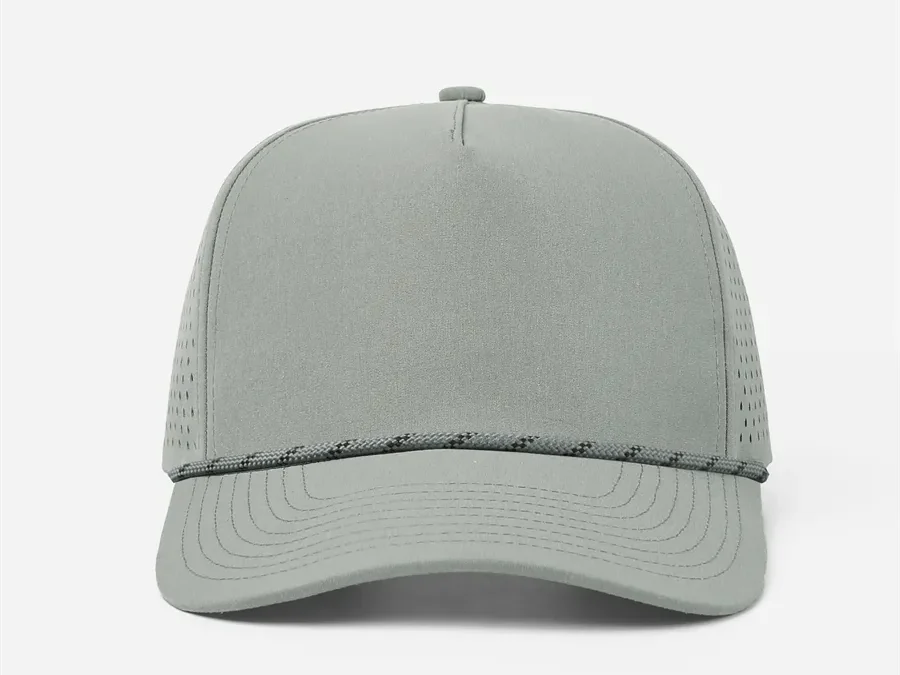
Define the lot before discussing sample size
Identify the purchase order, style, color, production location, completion status and packing status. State whether different colors or material lots are inspected separately. Combining unlike products into a single convenient group can conceal a problem that affects only one part of the shipment.
Explain how the inspector will gain access to the entire lot. A sample drawn only from the front cartons or from pieces prepared by the factory is not equivalent to the agreed random selection. Record carton identities and selection details in the inspection report.
Use a complete sampling scheme
ISO 2859-1 (2026 edition) describes AQL-indexed sampling schemes for lot-by-lot inspection by attributes. Specify the edition, inspection level, inspection severity, plan type and agreed defect categories. Use the applicable tables and switching rules rather than reconstructing a sampling table from a blog example.
Ask the inspection provider to confirm the resulting sample and acceptance decisions before the visit. An isolated AQL value cannot determine a sample size on its own. Keep the plan with the order so the same assumptions apply to reinspection.
| Plan field | Buyer instruction | Why it matters |
|---|---|---|
| Lot definition | Products and quantities included | Defines the decision's scope |
| Sampling basis | Standard, edition, level and plan | Makes selection reproducible |
| Defect treatment | Categories and counting rules | Prevents inconsistent grading |
| Disposition | Authority, hold and reinspection route | Connects findings to shipment release |
Create a cap-specific defect reference
Use photographs and short descriptions tied to the approved sample. Cover crown symmetry, seam appearance, visor curve, logo position, stains, shade differences, closure function, labels and packing. Show the boundary between an acceptable variation and a defect where judgment is otherwise subjective.
Set severity according to the product's actual risk and requirements. An incorrect brand label, a sharp exposed component and a minor loose thread should not automatically receive the same treatment. Define safety-related issues and any separate zero-acceptance controls with the responsible specialists.
Explain how multiple findings on one cap will be counted. Distinguish nonconforming units from individual nonconformities if the chosen plan makes that distinction. The inspector should not have to invent a counting rule at the inspection table.
Keep measured and visual checks identifiable
| Check | Reference required | Report evidence |
|---|---|---|
| Dimensions | Measurement method and tolerances | Recorded individual results |
| Appearance | Approved sample and defect images | Photos with location and category |
| Function | Closure and assembly check procedure | Observed or measured outcome |
| Packing | Pack-out and assortment instructions | Carton, count and label checks |
A final visual inspection does not replace a moisture, UPF or water-penetration test. Those requirements need the relevant test evidence and sampling coverage. Review the test package alongside the inspection report before deciding whether the shipment can be released.
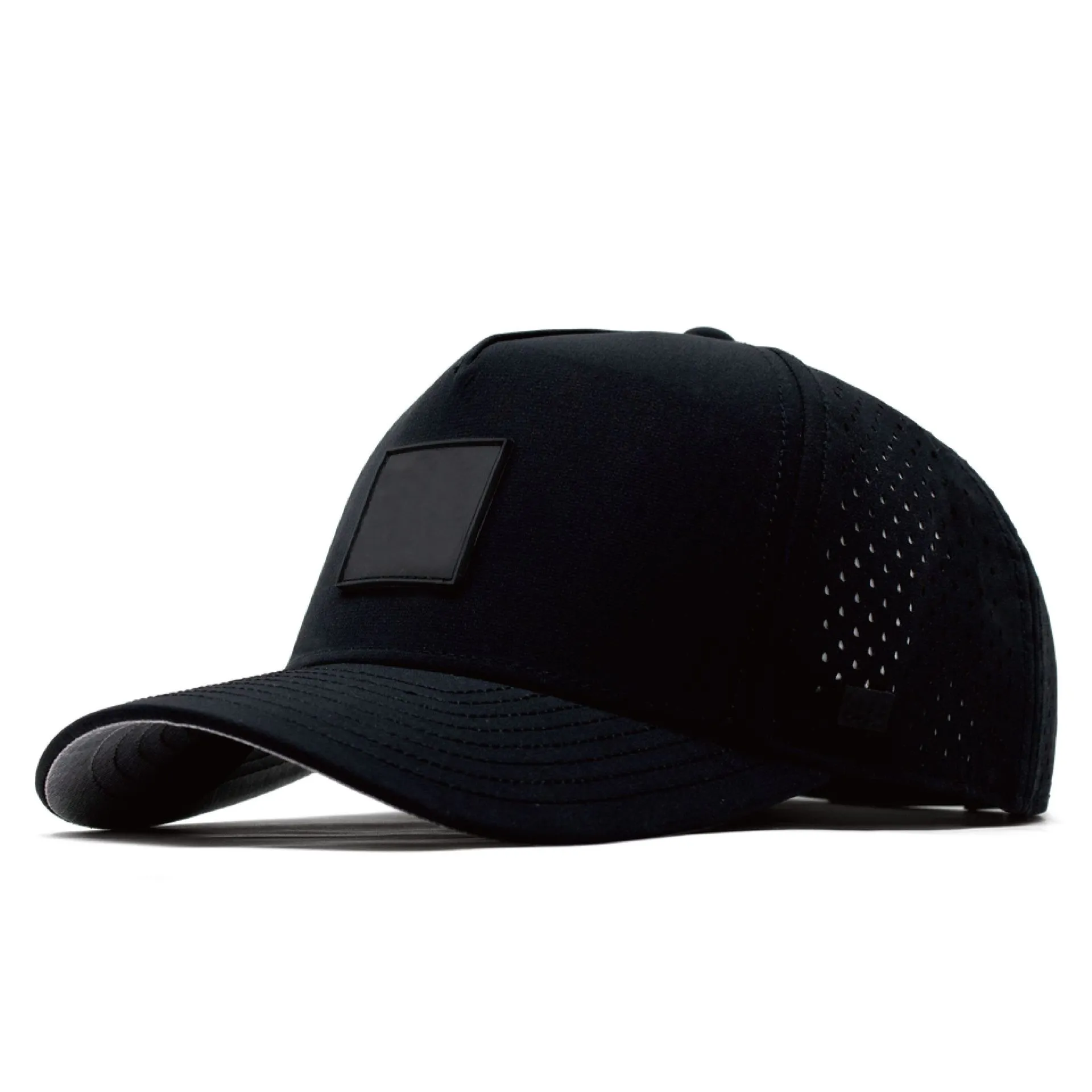
Write the response to a failed inspection
Define a hold process, sorting or rework responsibility and the evidence required for reinspection. Identify how the affected lot will remain distinguishable from other stock. A new report should link to the previous findings and the corrective work.
Separate correction of the caps from correction of the process. Removing visible loose threads addresses those pieces. Revising a sewing or trimming step addresses recurrence. Our sample-to-bulk quality control guide explains how earlier process checks support final inspection.
ISO 9001 (2026 edition) is a quality management systems standard. It is a broader management reference, not a cap acceptance table or evidence that a particular order passed inspection.
Prepare an inspection-ready order package
Give the inspector the current tech pack, approved sample identity, defect catalog, packing instruction and test list. Record the person authorized to resolve a disputed finding. Confirm those documents before scheduling the visit.
Use the production discussion to agree access and readiness. Reviewing an unfinished lot without a defined purpose can produce a report that does not answer the release question.
Questions about AQL and cap inspection
Does an AQL value allow that percentage of defects in every shipment?
It is part of a sampling scheme, not permission to ship a fixed percentage of defects. Interpret the result under the agreed plan and order requirements.
Can one inspection cover different colors?
Define the lot grouping and sample distribution before inspection. Consider whether separate materials, processes or risks require separate decisions.
Should the factory choose the inspection samples?
The selection must follow the agreed procedure. Give the inspector access to the eligible lot and record how samples were drawn.
What happens after rework?
Identify the reworked lot, retain evidence of the correction and follow the agreed reinspection route. Do not reuse a previous pass statement for changed stock.
What should buyers send before an inspection quote?
Send the location, lot quantities, style and color breakdown, readiness date, sampling basis, inspection scope and reference documents. Include any special test requirements.
Discuss bulk inspection requirements
For a custom performance cap project, send your brand website, styles, quantities per color, artwork, target market, destination and delivery date through Contact Us or the form below. Attach your inspection standard or defect reference if your brand already uses one.


 EN
 ES
 FR
 AR
 JA
 KO
 RU
 DE
 PT
 IT
 TR