

Performance cap abrasion and pilling affect how a hat looks after repeated handling, packing, wear, and contact with skin or equipment. A fabric may keep its color and dimensions yet develop fuzz, pills, a polished patch, or worn yarns. These changes can make an approved sample and a later bulk order look like different products.
Brand owners and sourcing teams can manage that risk by defining the tested material, method, evaluation point, rating rule, and bulk control record. The process should begin while selecting a custom performance cap, before fabric and decoration choices are frozen.
Why surface durability belongs in the buying specification
Performance caps meet friction in predictable places. Fingers grip the visor edge. A runner adjusts the back closure. Golf bags and jacket hoods rub the crown. Sweatbands move against hair and skin. Nested caps can also rub during packing and transport.
The effect is partly visual and partly structural. Early fuzz can make a smooth face look older. Pills can interrupt a printed or heat-transfer logo area. Continued abrasion may expose a different layer, remove a finish, weaken a perforated panel, or change the sheen of dark fabric.
| Surface change | What it indicates | Buyer concern |
|---|---|---|
| Fuzzing | Fibers rise from the fabric face | Uneven appearance around high-contact areas |
| Pilling | Loose fibers entangle into small balls | A worn look and interference with fine decoration |
| Matting | Raised fibers compress into a flatter area | Visible patches with different texture or sheen |
| Abrasion wear | Yarns or finishes are removed by rubbing | Thinning, color change, or eventual breakdown |
| Snagging near holes | Yarns catch beside a cut or perforation | Distorted ventilation pattern and local tearing risk |
Surface durability should be reviewed with the approved fabric weight and thickness record. Two fabrics with similar composition and mass can still wear differently because yarn type, weave or knit structure, finishing, and face texture differ.
Abrasion and pilling answer different questions
Abrasion testing evaluates how a fabric changes or reaches a defined endpoint during repeated rubbing. Pilling testing evaluates the tendency to form fuzz, pills, or matting under a stated procedure. Both may use Martindale equipment, though the specimen setup, abradant, motion, intervals, and evaluation are tied to the selected method.
Do not treat a pilling grade as an abrasion result or a cycle count as a complete quality claim. A supplier report should name the method, edition, option, specimen, face tested, assessment stage, and result format. The purchase specification then states how that result supports the intended cap.
Choose a method and name the exact edition
ISO 12947-2 from 2016 describes determination of specimen breakdown by the Martindale abrasion method through inspection at fixed intervals. The official scope covers textile fabrics, including nonwovens, while excluding coated fabrics when the coated surface is the subject of the test. Buyers should confirm scope before applying it to laminated or coated cap materials.
ISO 12945-2 from 2020 describes a modified Martindale method for resistance to pilling, fuzzing, and matting. The ISO page lists the publication as published and records the review stage. State the edition in the request because a laboratory and supplier must work from the same procedure.
A standard explains how to produce a result. It does not set one pass value for every running, golf, or outdoor cap. The brand selects an acceptance rule that fits the fabric, price position, expected use, decoration, care direction, and appearance risk.
Map test locations to cap wear zones
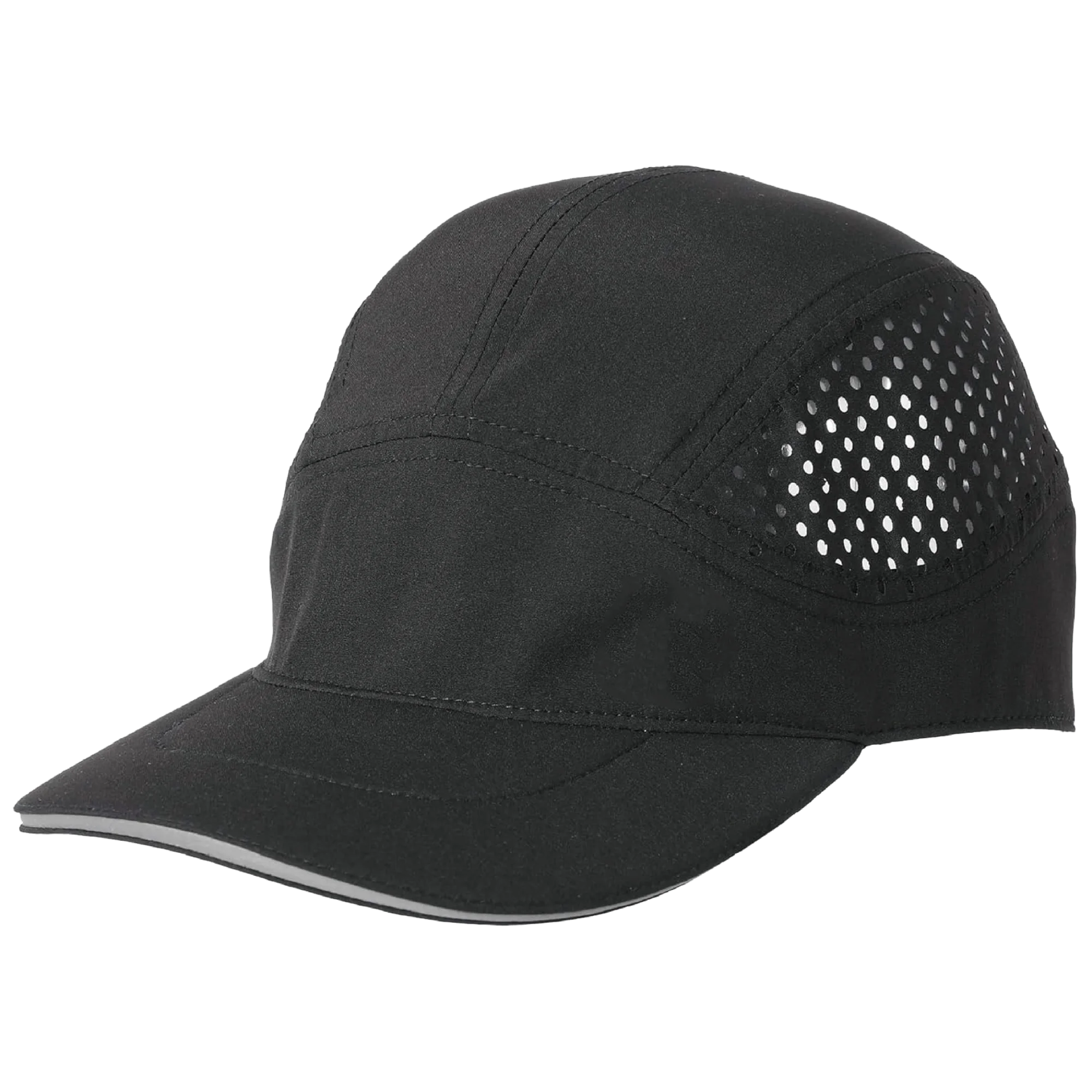
Flat fabric specimens help compare candidate materials. Finished caps reveal how construction concentrates rubbing. Mark the places users touch, the areas that contact equipment, and any surface where a logo or perforation makes appearance changes more noticeable.
Common review points include the front panel below the logo, side panels near ventilation, the visor top and edge, the lower crown above the sweatband, and the back opening. If a style uses a brushed, bonded, printed, or coated textile, inspect the exposed face and every folded edge.
Laser-cut holes deserve separate attention because spacing and seam clearance affect local stress. The laser-cut perforation buyer guide explains how to document hole size, pitch, panel position, and acceptable edge appearance.
Write an abrasion and pilling specification
A useful requirement identifies the exact material and the decision it controls. Avoid a line that says only Martindale passed. It leaves the test face, endpoint, interval, pressure, assessment scale, and pass rule open to interpretation.
| Specification field | Decision to record | Evidence to retain |
|---|---|---|
| Material identity | Supplier article, fiber content, construction, finish, color, and lot | Approved swatch and traceable material record |
| Test purpose | Abrasion breakdown, appearance change, or pilling tendency | Named method and selected procedure |
| Specimen direction | Face, back, warp, weft, wale, course, or other orientation | Cutting diagram and specimen labels |
| Evaluation points | Inspection intervals or rubbing stages | Raw readings and dated photographs |
| Acceptance rule | Minimum result and any visual defect limit | Signed report linked to the approved sample |
| Bulk response | Release, retest, hold, replace, or written concession | Lot disposition and approval history |
Add these fields to the performance cap tech pack or its quality appendix. A report number should trace back to the color, finish, supplier article, and production lot instead of sitting in a separate email thread.
Set acceptance rules from the product risk
Start with a representative benchmark. Compare candidate fabrics under the same method and review the result beside the approved appearance. A premium dark running cap with a clean front panel may need a stricter visual rule than a textured training style where minor surface variation is less visible.
Decoration changes the decision. Fine heat transfers, reflective marks, silicone prints, and low-profile embroidery can draw attention to fuzz or polishing around the logo. Test the undecorated material for screening, then review the decorated panel for compatibility and local wear.
Write a separate rule for appearance and physical breakdown when both matter. A material can remain intact after many rubs while losing the surface character that the brand approved. Acceptance photos should use controlled lighting, distance, and viewing angle so later comparisons are fair.
Build the development test plan
Screen materials before making several full samples. Once the shortlist is clear, test the intended color and finish, then build caps with production-representative cutting, fusing, perforation, logo application, and sewing. Keep retained pieces from every approved stage.
| Stage | Sample | Question answered | Release decision |
|---|---|---|---|
| Material screening | Candidate shell swatches | Which options keep the intended surface under one comparison method | Select materials for development |
| Decoration trial | Logo applied to the candidate fabric | Whether backing, heat, pressure, or stitches change the wear response | Choose the decoration setup |
| Development sample | Complete cap in the intended construction | Where handling and construction create visible wear | Revise or approve the style |
| Pre-production sample | Cap from released bulk materials | Whether the approved material and process were carried into production | Authorize cutting or hold the lot |
| Bulk verification | Defined specimens from identified lots | Whether incoming and finished goods match the released reference | Release, investigate, or replace |
Use enough specimens for the sampling plan and material variability. One good result cannot describe every roll or color. Record conditioning, equipment, operator, specimen count, individual observations, and any deviation. Store the report with the physical reference used in the sample approval process.
Diagnose poor results before changing the style
A weak result may come from fiber selection, yarn structure, fabric construction, finishing, color processing, or surface treatment. The same visible symptom can also come from an incorrect test face, a specimen cut in another direction, or a report linked to the wrong lot.
| Descubrimiento | Check first | Possible development action |
|---|---|---|
| Fast fuzzing on a smooth panel | Fiber blend, yarn hairiness, brushing, and face selection | Compare a tighter construction or different finish |
| Pills remain attached | Fiber strength, blend, and surface finish | Review material choice and finishing route |
| Polished patch on dark fabric | Finish, rubbing contact, lighting, and viewing angle | Approve a controlled appearance limit or change the finish |
| Wear around a logo | Backing edge, stitch density, transfer pressure, and panel support | Adjust the decoration setup and repeat the panel trial |
| Damage beside perforation | Hole pitch, edge quality, seam clearance, and stretch direction | Move or revise the pattern and retest the panel |
| One color performs differently | Dye route, finishing, heat history, and supplier lot | Approve by color group or test the affected color separately |
Change one controlled variable at a time where practical. If the fabric, finish, logo process, and perforation pattern all change together, the next result will not explain which action corrected the problem.
Carry approved performance into bulk
Incoming inspection should confirm the supplier article, color, finish, width, mass, and lot against the released record. Where abrasion or pilling is a material release condition, hold cutting until the required report and specimen identity are complete.
Line inspectors should watch exposed panel faces, folded visor edges, logo boundaries, perforation fields, and nesting contact points. Keep work surfaces and bins clean because rough edges or debris can create handling marks that a laboratory test was never designed to predict.
Final inspection should compare bulk caps with the signed sample under consistent light. Record defect location and quantity instead of using a broad note such as fabric issue. This fits the wider sample-to-bulk quality control plan and the documented cap production process.

Read laboratory reports without shortcuts
Check the report header before the grade. Confirm the laboratory, issue date, client, sample description, material code, color, test method, edition, specimen count, conditioning, and procedure. The photographs and raw observations should agree with the summary result.
A report for a similar fabric is background information rather than release evidence for a new order. Fiber content alone does not establish equal surface performance. Construction, yarn, finish, dye route, coating, and heat history may differ even when two commercial descriptions look identical.
If a method is under review or a new edition appears, the brand and supplier should agree in writing on the edition used for the active program. Changing methods midway can break comparability with the approved sample and earlier bulk records.
A buyer decision path before purchase order
Define the wear risk, surface appearance, decoration, and care direction. Select the material method, specimen orientation, evaluation stages, and acceptance rules. Test production-representative materials, review the complete cap, resolve failures, and attach the passing evidence to the released specification.
Before issuing the order, confirm which colors and lots are covered, when incoming verification occurs, who may release material, and how failed stock is isolated. Require written review for substitutions. This turns abrasion and pilling into a controlled purchasing decision rather than a general durability promise.
Frequently asked questions
Are abrasion resistance and pilling resistance the same?
No. Abrasion testing follows wear or breakdown under rubbing, while pilling testing assesses fuzz, pills, and matting under a stated procedure. A buyer may need both when appearance and physical wear affect product acceptance.
Does a higher cycle result always mean a better cap?
No. The method, load, abradant, endpoint, and specimen must match before results can be compared. Finished-cap comfort, breathability, stretch, weight, logo compatibility, and intended use still influence the material decision.
Can one fabric report cover every color?
Only when the brand's risk review supports that grouping. Dyeing and finishing routes may differ by color. Test separate colors or color groups when processing, appearance, or prior results show a meaningful difference.
Should the logo area be included in wear review?
Yes when the logo process changes the panel or makes surface change more visible. Review the base fabric first, then assess the decorated panel with the intended backing, heat, pressure, stitch density, or adhesive system.
When should bulk material be tested?
Set the control point before ordering. Risk-sensitive programs may require verification before cutting, while established materials may use periodic or lot-based checks. The quality plan should state the frequency, sample identity, release authority, and response to failure.
What should a buyer send for an abrasion and pilling review?
Send the intended activity, fabric and finish references, color range, logo method, ventilation layout, wear concerns, existing test reports, target appearance, sample count, and proposed acceptance rule. Include a reference cap when touch and surface character guide the choice.
If you are preparing a sourcing brief, contact JoinTop with your brand or website, cap style, quantity per style and color, vector logo file, target market, destination, required delivery date, and abrasion or pilling concerns. Use the inquiry form at the bottom of the page so the team can review material screening, sample evidence, and bulk control needs.


 ES
ES  EN
EN  FR
FR  AR
AR  JA
JA  KO
KO  RU
RU  DE
DE  PT
PT  IT
IT  TR
TR